
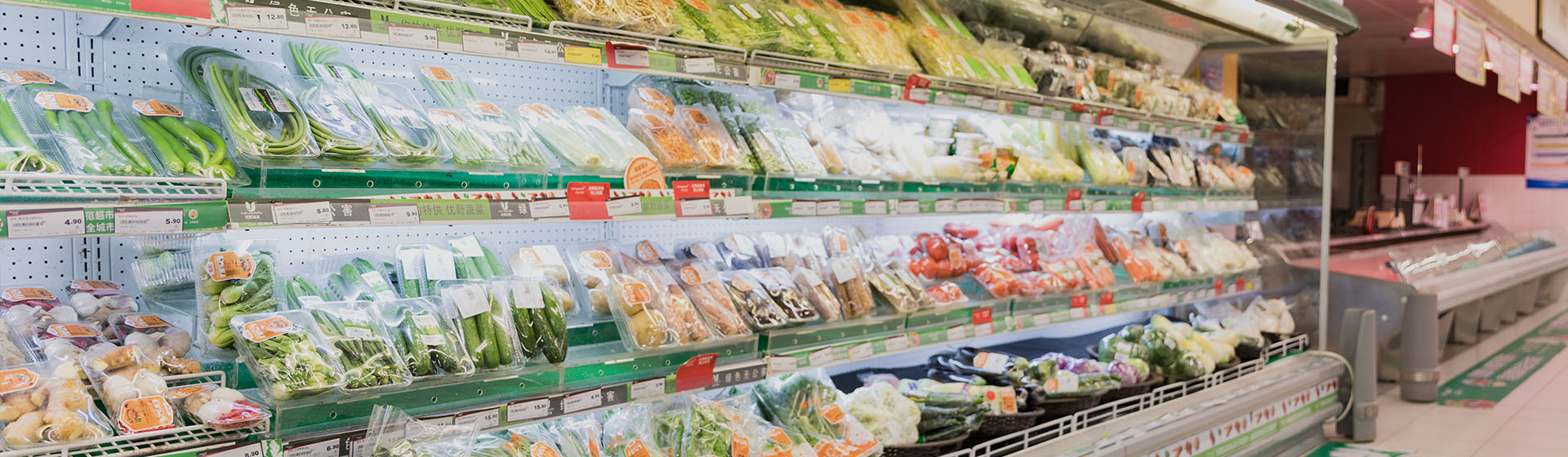
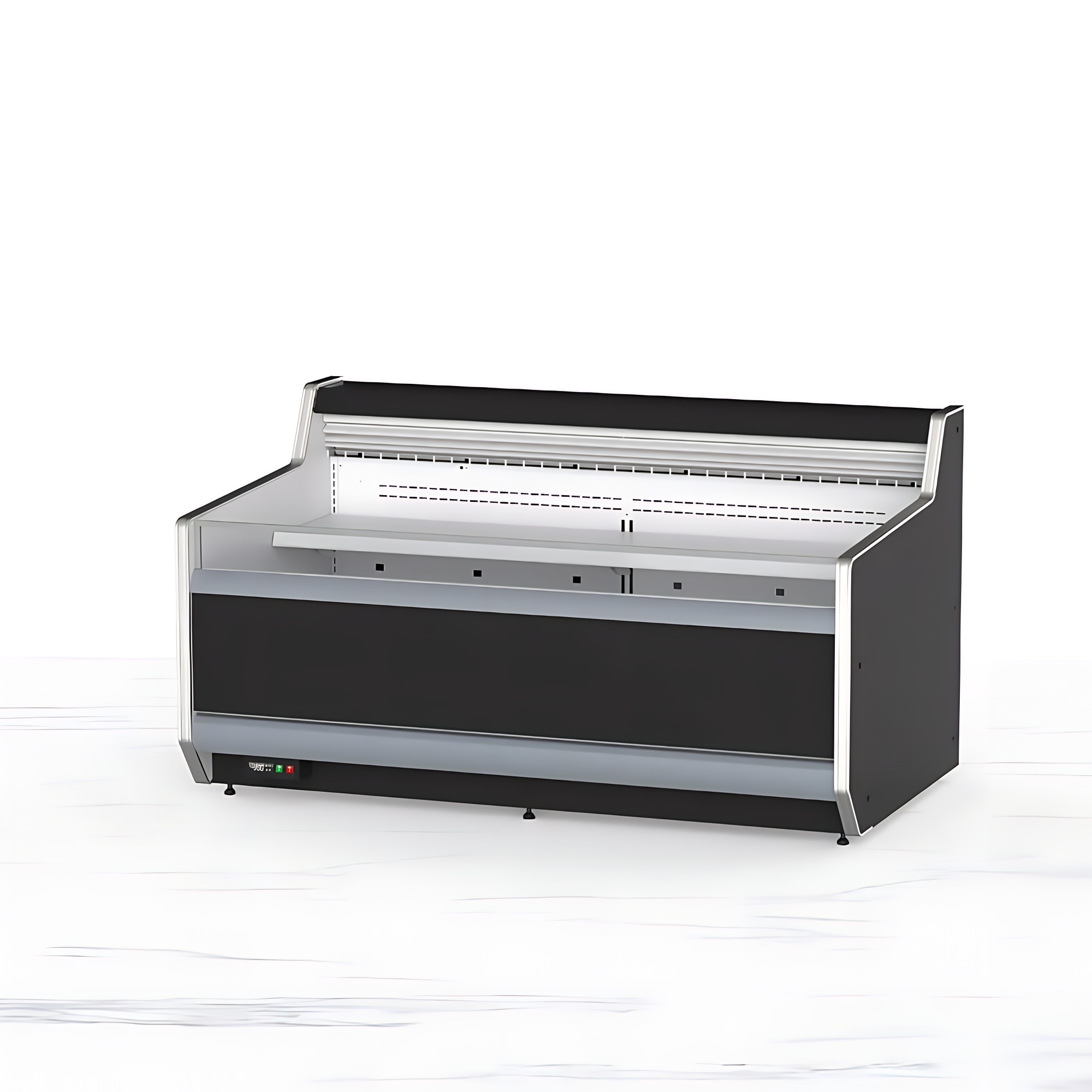
An Open Top Cooler gives customers direct access to chilled products without requiring them to open a door. This format can make frequently purchased items easier to see and select in supermarkets, convenience stores, and food service areas. However, an open display is not suitable for every refrigerated product. Storage temperature, packaging, product sensitivity, and expected display time all influence whether this cabinet type is appropriate.
Choosing the right products for an open-top cabinet helps protect food quality and makes better use of the display space. The key is to assess each product category according to its actual storage requirements rather than assuming that all chilled goods can share the same conditions.
Packaged Beverages: A Natural Fit for Open Display
Bottled drinks, canned beverages, and packaged juices are practical products for open refrigerated display. Their individual packaging protects the contents, while standardized shapes make them relatively easy to arrange and identify. Customers can compare flavors and package sizes and take a single item without opening a cabinet door.
This format is especially useful in convenience stores, supermarkets, and self-service food areas where drinks are purchased frequently. An open display can support quick selection and make chilled beverages visible from the shopping aisle.
Before choosing a cabinet, check the height, diameter, and quantity of the packages that will be displayed. Tall bottles and larger containers may need more usable vertical space than cans or small drink cartons. Also confirm that the cabinet’s operating temperature is appropriate for the beverages being sold. Different products may have different storage recommendations, so one setting should not automatically be assumed suitable for every item.
Dairy Products: Suitable with Temperature and Time Controls
Packaged yogurt, milk drinks, and selected chilled desserts may be displayed in an open-top cabinet when its operating conditions meet the products’ storage requirements. These items often benefit from convenient access because customers may compare flavors, brands, and package sizes before making a choice.
Dairy products, however, require careful temperature management. The cabinet must be capable of maintaining conditions suitable for the specific products, and staff should follow the storage instructions on the packaging as well as applicable food safety requirements. The display cabinet should not be treated as a substitute for appropriate cold storage when products need to be held for longer periods.
Display duration and stock rotation are also important. Products with shorter shelf lives need clear date checks and regular rotation. If a store carries several dairy categories with different temperature requirements, separating them into suitable refrigerated sections may be more reliable than placing everything in one cabinet.
Packaged Ready-to-Eat Foods: Convenient for Frequent Selection
Packaged sandwiches, salads, chilled snacks, and prepared meals are often purchased quickly. An open display makes these products easy to identify and reach, which can be useful near checkout areas, food service counters, or grab-and-go sections.
The category still needs careful evaluation because ready-to-eat foods vary in ingredients, packaging, and storage requirements. A packaged sandwich, a prepared salad, and a dairy-based dessert may not have the same temperature limits or recommended display periods.
Before placing these products together, consider whether their required temperatures are compatible, whether the packaging is sealed and suitable for refrigerated display, and how long each item will remain on sale. Staff should also check expiration dates, remove damaged packages, and maintain appropriate cleaning and food-handling procedures. An Open Top Cooler can improve access to packaged foods, but only when its refrigeration conditions are suitable for the specific products.
Fresh Fruits and Vegetables: Select by Variety and Preparation
Some fresh produce can be displayed in open refrigerated cabinets, but produce should not be treated as one uniform category. Different fruits and vegetables have different temperature, humidity, and handling requirements. Certain leafy vegetables and prepared produce may benefit from chilled display, while some tropical fruits and cold-sensitive varieties can deteriorate when stored at unsuitable temperatures.
Preparation also changes the storage decision. Whole vegetables, cut produce, and ready-to-eat fruit portions may require different handling and temperature controls. Cut products generally need particularly careful attention to food safety and storage instructions.
For this reason, stores should identify the specific varieties they intend to display and confirm their recommended storage conditions before selecting the cabinet. If the product range includes items with incompatible requirements, separate storage or display equipment may be necessary.
When Another Refrigeration Format Is More Appropriate
An open-top cabinet is designed for accessible display, not every type of refrigerated or frozen storage. Some products require a more specialized cabinet or a closed storage environment.
| Product category | Possible equipment | Main selection consideration |
|---|---|---|
| Bottled and canned drinks | Open Top Cooler | Package dimensions and convenient access |
| Packaged dairy | Open-top or glass-door chiller | Temperature requirements and display time |
| Sandwiches and chilled snacks | Open-top or glass-door chiller | Packaging, food safety, and stock rotation |
| Fresh meat and seafood | Specialized refrigerated display case | Product handling and specific storage conditions |
| Frozen packaged food | Freezer or island freezer | Maintaining frozen temperatures |
| Products held for longer periods | Commercial refrigerator | Enclosed storage and operational needs |
Fresh meat and seafood may require display equipment designed specifically for their handling and presentation. Frozen products need a freezer capable of maintaining the required frozen conditions; a standard chilled display cabinet is not an alternative. Products intended for longer storage or less frequent customer access may be better kept in an enclosed commercial refrigerator.
The right format depends on the product’s storage requirements and the role the equipment will perform. Open display should not be selected solely because it offers easy access.
How to Match an Open Top Cooler to Your Product Range
Start by listing the products that will be displayed and recording their recommended storage temperatures, package dimensions, and expected display quantities. This information helps determine whether the products can share one cabinet or should be divided into separate temperature groups.
Next, check the cabinet’s usable dimensions. The display area should accommodate the actual package sizes and planned quantities without forcing staff to stack products in a way that makes selection or replenishment difficult. Consider the installation space, customer access, and the clearance needed for routine servicing before confirming the cabinet size.
Cleaning and maintenance should also be part of the decision. Spills, packaging residue, and frequent handling can make regular cleaning necessary. A practical cabinet should allow staff to reach the relevant surfaces and carry out routine maintenance according to the manufacturer’s instructions.
Finally, consider how the cabinet fits into the wider refrigeration arrangement. An open display unit may serve products intended for immediate retail selection, while reserve stock remains in a suitable cold room or commercial refrigerator. This division helps avoid using the display cabinet as the only storage solution.
Choosing Equipment Around the Products
The most suitable refrigerated display format is determined by the products being sold, not simply by the cabinet’s appearance or capacity. DUSUNG provides open-top chiller solutions alongside other commercial refrigeration equipment for different retail applications. When evaluating a configuration, sharing the product categories, storage requirements, package dimensions, and installation conditions can help identify a cabinet that better matches the intended use.
Conclusion
An Open Top Cooler can be a practical choice for packaged beverages, selected dairy products, ready-to-eat foods, and certain fresh produce when its operating conditions match their storage requirements. It is not automatically suitable for every chilled item, and products such as fresh meat, seafood, and frozen foods may need specialized equipment. Reviewing product characteristics, display duration, cabinet dimensions, and installation conditions before purchasing helps create a safer and more effective refrigerated display.
FAQ
1. Can an Open Top Cooler display different types of food?
Yes, if the products have compatible temperature and handling requirements. Items with different storage needs may require separate cabinets or display sections.
2. Are all fruits and vegetables suitable for open refrigerated display?
No. Different varieties respond differently to low temperatures and humidity. Confirm the recommended storage conditions for each product before displaying it.
3. Can an Open Top Cooler replace a commercial refrigerator?
Not in every application. An open-top cabinet is primarily intended for accessible retail display, while an enclosed refrigerator may be more suitable for reserve stock or longer-term storage.
4. What should be checked before selecting an Open Top Cooler?
Review the product categories, required temperatures, package dimensions, expected display quantities, installation space, and cleaning requirements.
Post time: Nov-27-2026


