
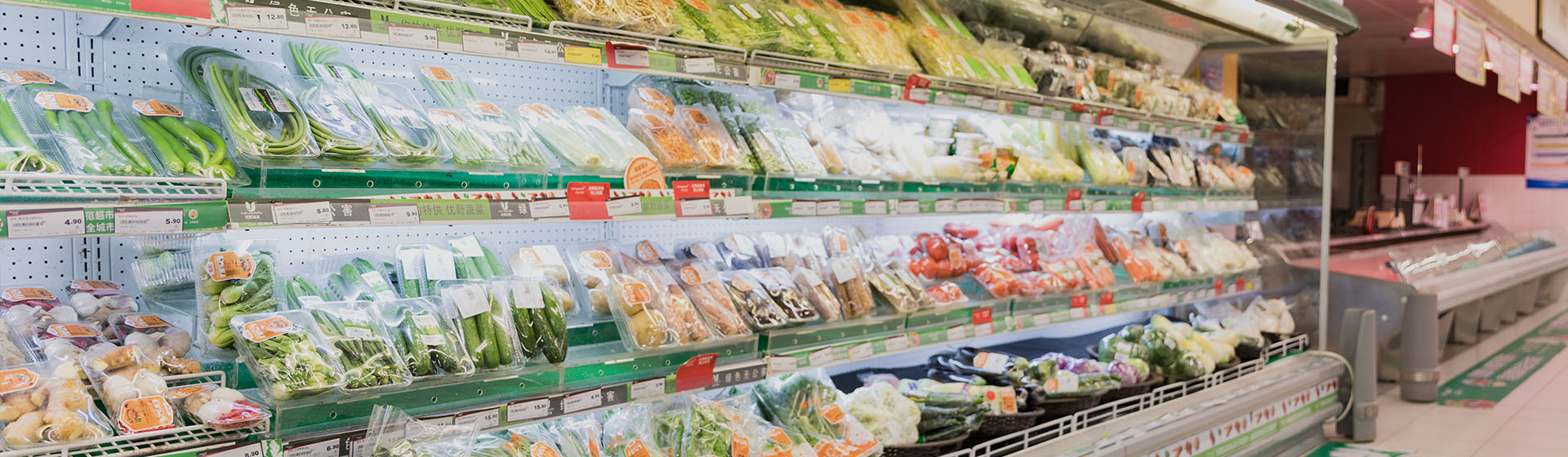
An Open Chiller plays an important role in supermarkets, convenience stores, and other retail environments where chilled products need to remain visible and accessible. However, maintaining a consistent temperature across an open display cabinet can be challenging. Unlike closed refrigeration equipment, an open chiller relies on a controlled curtain of cold air to separate the refrigerated space from the warmer surrounding environment.
When this airflow is disrupted, different areas of the cabinet may experience uneven cooling. Some products may remain at the required temperature, while others become warmer than expected. Understanding the causes of these temperature differences helps store operators maintain product quality, reduce waste, and improve refrigeration performance.
Air Curtain Disruption Creates Temperature Differences
The air curtain is one of the most important elements of an open refrigeration system. It continuously circulates cold air across the display opening, helping limit the entry of warm ambient air.
If this airflow becomes unstable, the cabinet may struggle to maintain consistent temperatures. Several everyday conditions can interfere with the air curtain:
- Products placed above the recommended loading line: Items that extend beyond the designated display area can obstruct the airflow and prevent cold air from circulating properly.
- Large gaps in product arrangement: Irregular placement may affect how air moves through the display area.
- Objects blocking air outlets or return grilles: Packaging, promotional materials, or other items can interfere with the designed airflow path.
- Frequent customer interaction: Repeated movement around the display and prolonged access to products can disturb the air curtain.
For an Open Chiller, maintaining the intended airflow path is essential. Store employees should follow loading guidelines and avoid placing products or promotional materials in areas designed for air circulation.
Incorrect Product Loading Affects Cooling Distribution
Product arrangement influences more than display appearance. It also affects how cold air moves through the refrigerated cabinet.
When shelves are overloaded, products may restrict airflow between different sections. Items placed too close together can create areas where cold air cannot circulate effectively. This may result in noticeable temperature differences between shelves or between the front and rear of the display.
The problem can become more serious during busy shopping periods, when employees need to replenish products quickly. If new stock is placed without considering the existing arrangement, airflow paths may gradually become blocked.
A practical loading approach should consider both product accessibility and refrigeration requirements. Employees should leave the necessary circulation space, respect loading limits, and avoid stacking packages in front of air outlets. Products should also be arranged consistently so that replenishment does not interfere with the cabinet’s cooling design.
For retailers using an Open Chiller, a well-organized loading routine can reduce unnecessary airflow interruptions and support more predictable cooling performance.
Poor Ventilation Around the Cabinet Increases Refrigeration Load
The surrounding retail environment can influence the operating conditions of an open chiller. Although the equipment generates cold air internally, it still needs suitable environmental conditions to operate effectively.
When warm air continuously enters the display area, the refrigeration system must work harder to maintain the required temperature. This situation may occur when the cabinet is installed near entrance doors, frequently opened windows, heating equipment, or areas exposed to strong sunlight.
Air-conditioning outlets can also affect performance. If strong airflow from the building’s ventilation system blows directly across the cabinet opening, it may disrupt the cold air curtain.
Before installing an Open Chiller, retailers should evaluate the surrounding environment rather than considering only the available floor space. Keeping the cabinet away from direct heat sources and strong crosswinds can help reduce unnecessary thermal interference.
Proper spacing around the equipment is equally important. Condenser ventilation areas should remain unobstructed so that heat can be released efficiently. Restricted ventilation may increase operating pressure and reduce overall refrigeration efficiency.
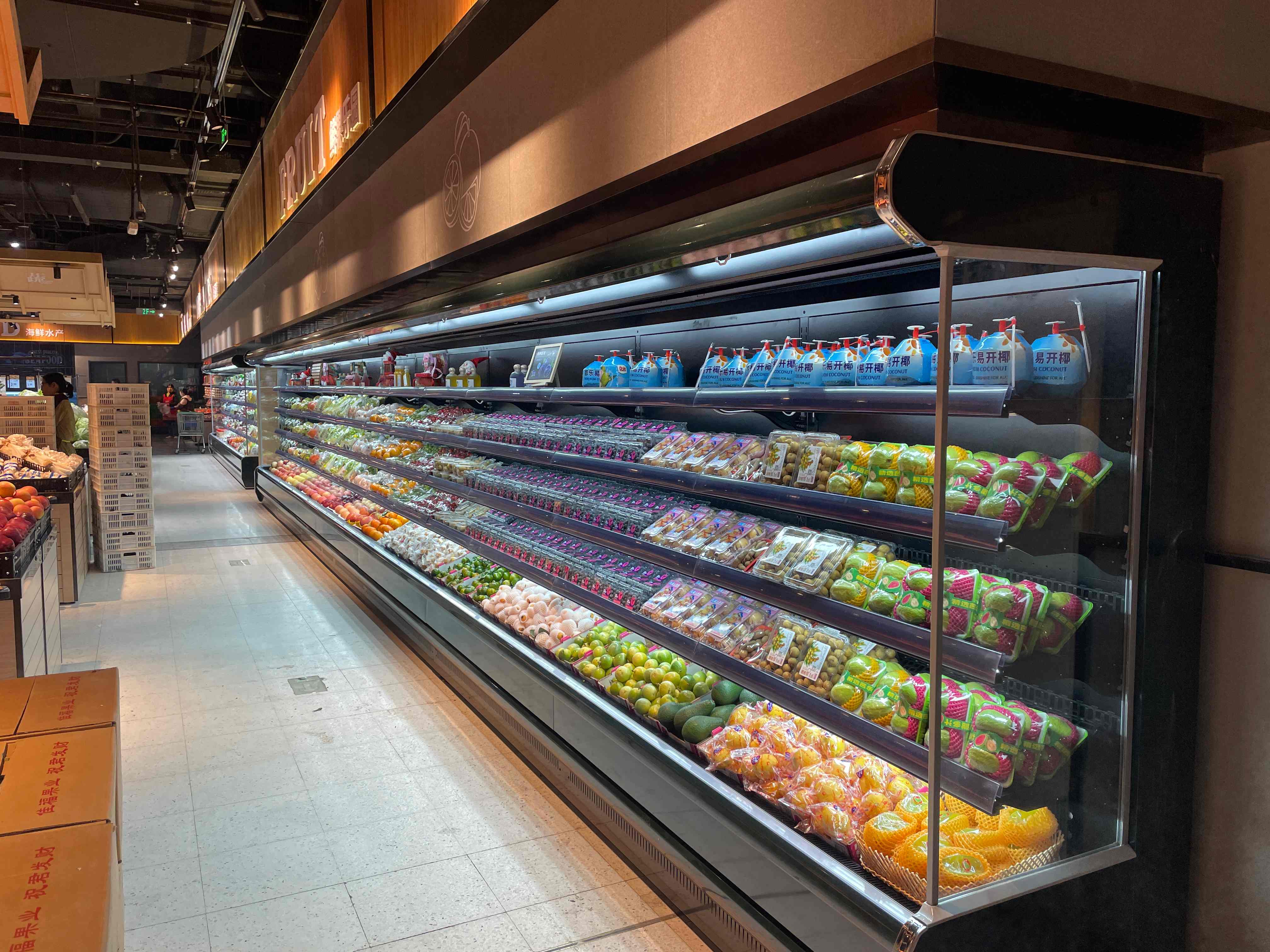
Dirty Components Can Reduce Cooling Performance
Uneven cooling is not always caused by product arrangement or installation conditions. Dirt accumulation and poor maintenance can also affect the refrigeration system.
Dust and debris may collect around air grilles, evaporator surfaces, filters, and condenser components. When these areas become dirty, airflow and heat exchange can be reduced. As a result, the cabinet may take longer to reach the desired temperature or struggle to maintain consistent cooling.
The evaporator and fan system deserve particular attention because they directly influence cold air circulation. If a fan operates abnormally or an air passage becomes blocked, some areas of the cabinet may receive less cold air than others.
A regular maintenance routine should include several basic checks:
- Inspect air outlets and return grilles for dust, packaging, or other obstructions.
- Check fans for unusual noise, vibration, or inconsistent operation.
- Clean accessible components according to the manufacturer’s instructions.
- Inspect drainage areas to prevent water accumulation and related operational problems.
- Check condenser ventilation and remove accumulated dust where appropriate.
Cleaning frequency should reflect the store’s operating environment and equipment usage. Any electrical or refrigeration-system repairs should be handled by qualified technicians.
Doorless Design Makes Temperature Monitoring More Important
Because an open chiller does not use conventional doors to separate its interior from the retail environment, its temperature conditions can change more easily when operating conditions fluctuate.
High customer traffic, frequent restocking, changes in room temperature, and nearby ventilation can all influence cooling performance. Even when the refrigeration system is functioning normally, these external factors may create temporary temperature variations.
This makes regular temperature monitoring especially important. Checking only one location may not reveal differences across the entire display area. Retailers should follow the manufacturer’s monitoring recommendations and pay attention to locations where temperature changes are more likely to occur.
If repeated checks show that certain areas are consistently warmer, operators should investigate the cause instead of simply lowering the overall temperature setting. Excessively low settings may increase energy consumption without correcting the underlying airflow problem.
Equipment Selection and Layout Influence Long-Term Results
Preventing uneven cooling begins before an open chiller enters daily operation. Different retail environments have different requirements, and the refrigeration equipment should match the store’s layout, product range, and expected customer traffic.
For example, a cabinet installed in a narrow convenience store may face different airflow challenges from one positioned in a large supermarket aisle. The number of shelves, display depth, installation position, and expected replenishment frequency can all influence daily operation.
When evaluating an Open Chiller, retailers should consider the cabinet’s cooling configuration, air circulation design, temperature range, and maintenance accessibility. It is also important to understand the recommended loading arrangement and the environmental conditions under which the equipment is designed to operate.
A suitable equipment configuration makes it easier to maintain consistent operating conditions. Clear installation planning and practical maintenance arrangements can also reduce the likelihood of recurring cooling problems.
When selecting refrigeration equipment for different retail applications, working with an experienced refrigeration equipment provider can help clarify which cabinet configurations are appropriate for the store’s actual operating conditions. This is particularly useful when balancing product presentation, available floor space, and long-term refrigeration requirements.
Conclusion
Uneven cooling in an Open Chiller usually results from several interacting factors rather than a single equipment problem. Air curtain disruption, incorrect product loading, poor surrounding ventilation, dirty components, and changing retail conditions can all affect temperature distribution.
Retailers can improve refrigeration performance by maintaining clear airflow paths, following loading guidelines, choosing suitable installation locations, and carrying out regular maintenance. Consistent temperature monitoring also helps identify problems before they affect product quality. By addressing these operational details, stores can maintain more reliable chilled displays and support efficient daily operation.
FAQs
1. Why is the front of an open chiller sometimes warmer than the rear?
The air curtain may be affected by surrounding warm air, strong crosswinds, or incorrect product placement. These conditions can reduce the effectiveness of the cold air barrier.
2. Can overloading an open chiller cause uneven cooling?
Yes. Excessive loading can block air outlets and restrict circulation, creating areas where products receive insufficient cooling.
3. Does the location of an open chiller affect its refrigeration performance?
Yes. Direct sunlight, nearby heating equipment, entrance doors, and strong ventilation airflow can increase thermal interference and affect temperature stability.
4. How can retailers identify uneven cooling early?
They should monitor temperatures according to the manufacturer’s recommendations, inspect different display areas, and investigate repeated temperature differences rather than relying on a single reading.
Post time: Nov-03-2026


