
Modern supermarkets need more than a collection of individual refrigerators. Different departments handle different products, storage conditions, and shopping activities. Fresh produce, dairy products, beverages, frozen foods, and deli items each require suitable refrigeration equipment. If these units are selected independently, the result may be an inconsistent store layout, inefficient use of space, and unnecessary complexity in daily operations.
Working with an experienced OEM Fridge Manufacturer can help retailers and refrigeration distributors develop a coordinated equipment range. Instead of focusing on one refrigerator at a time, the planning process considers how different units work together across the supermarket.
Understanding the Refrigeration Needs of Different Supermarket Areas
A supermarket usually contains several refrigerated sections, and each serves a different purpose. The equipment selected for one department may not be suitable for another.
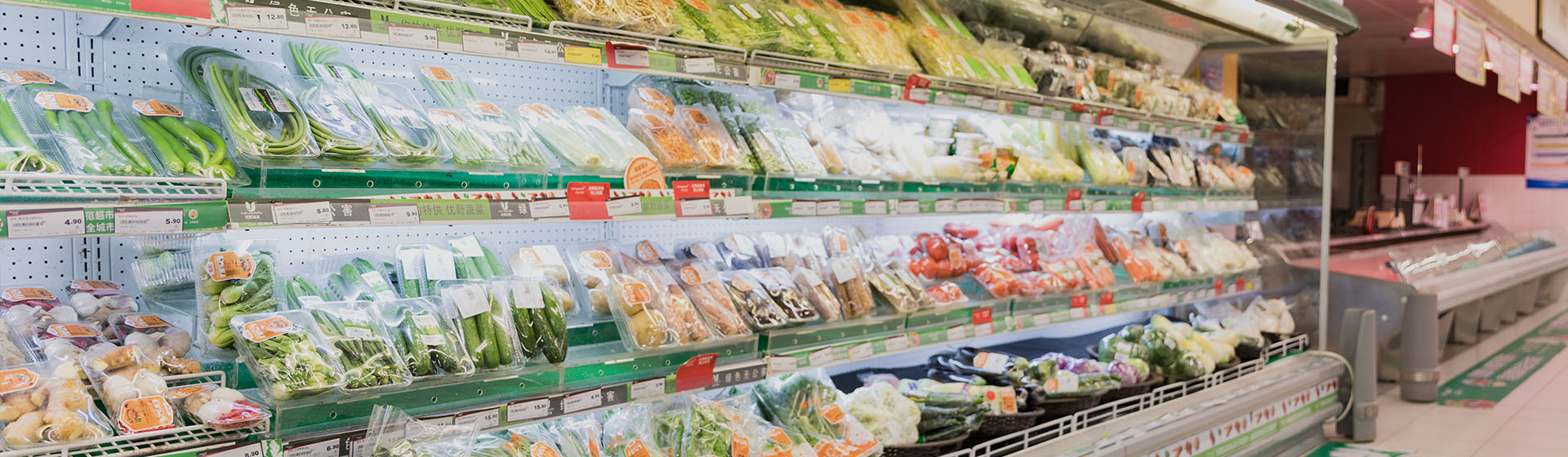
Fresh food areas often need open display cabinets that allow customers to see and access products easily. Beverage sections may benefit from upright glass-door refrigerators because they make packaged drinks visible while keeping them enclosed. Frozen food departments require freezers designed to maintain low temperatures, while deli counters need equipment that supports product presentation and convenient service.
These differences make it important to plan refrigeration equipment according to the function of each area. A supermarket should not simply install the same refrigerator model throughout the store. Instead, each department needs equipment that matches its products and daily activities.
An OEM Fridge Manufacturer with a broad product range can help bring these different requirements together. This allows the store to consider multiple equipment categories within one overall refrigeration plan.
Creating a Consistent Equipment Combination
A coordinated refrigeration range does not mean every unit must look or operate exactly the same. The goal is to make different equipment types work together without creating unnecessary differences in appearance, layout, or daily use.
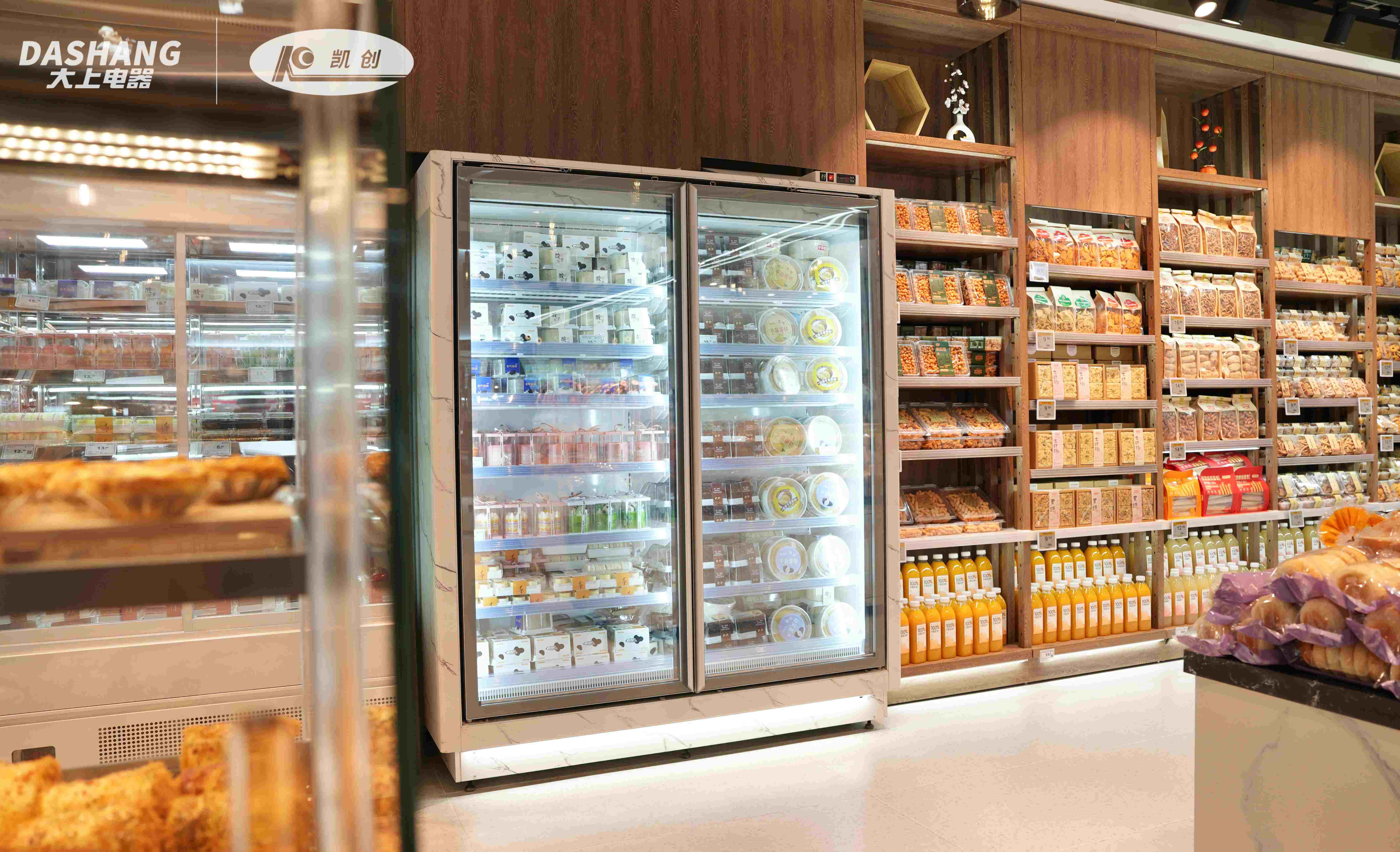
For example, upright glass-door refrigerators can be arranged along a wall to display beverages and packaged dairy products. Island freezers can be placed in suitable central areas for frozen food categories. Open multideck display cabinets may serve fresh food or chilled product sections, while deli cabinets can support counters where customers select prepared foods.
The combination should reflect the supermarket’s floor plan and product categories. Equipment height, cabinet depth, door opening direction, and access space all influence how different units fit together.
A consistent product range also makes future expansion easier. When a supermarket adds a new refrigerated section, it can select equipment that complements the existing range rather than starting the selection process from scratch.
Matching Equipment Types with Product Categories
Different food categories place different demands on refrigeration equipment. Choosing a suitable cabinet helps maintain an appropriate storage environment while making products easier to identify and access.
OEM Fridge Manufacturer solutions may include several equipment types for different supermarket departments:
- Upright glass-door refrigerators: Suitable for beverages, dairy products, and packaged chilled foods. Their vertical display arrangement helps organize products by brand, size, or category.
- Island freezers: Commonly used for frozen food sections. Their horizontal display format provides accessible product storage and can support a variety of packaged frozen goods.
- Open multideck display refrigerators: Useful for chilled products that customers need to browse and select frequently, including certain dairy products and packaged foods.
- Deli and fresh-food cabinets: Designed for food counters where product visibility, serving access, and the arrangement of different items are important.
These categories should be selected according to the products being sold, rather than appearance alone. A cabinet that works well for bottled beverages may not be the best option for fresh food or frozen products.
Considering Store Layout Before Selecting Equipment
Even suitable refrigeration products can create problems if they are placed in the wrong locations. Equipment planning should begin with the supermarket’s layout, including customer routes, department boundaries, and staff working areas.
Wall-mounted or upright units can make use of perimeter space, while island freezers may occupy central areas where customers can approach them from different sides. Open display cabinets need enough surrounding space for browsing and replenishment. Service counters also require room for staff to work safely and efficiently.
The arrangement should avoid blocking entrances, narrow aisles, or frequently used shopping routes. It should also consider how customers move between related departments. For instance, placing chilled drinks near ready-to-eat foods may make product selection more convenient.
An OEM Fridge Manufacturer can help evaluate product dimensions and equipment combinations during the planning stage. However, final placement should also account for site measurements, ventilation requirements, installation conditions, and the manufacturer’s operating recommendations.
Planning for Daily Replenishment and Maintenance
A refrigeration layout must work for store employees as well as customers. Products need to be restocked regularly, shelves require cleaning, and equipment needs routine inspection. If these tasks are difficult to perform, the supermarket may experience unnecessary interruptions.
Before selecting a product range, consider how employees will access each cabinet. Upright refrigerators should allow convenient shelf replenishment without obstructing nearby aisles. Island freezers need sufficient access for staff to organize frozen products. Display counters should provide practical working space for cleaning and product handling.
Maintenance access is equally important. Condensing units, electrical components, air inlets, and other service areas should remain accessible according to the equipment design. Installing units too close together or surrounding them with obstacles may make routine maintenance more difficult.
Planning these details early helps create a refrigeration arrangement that supports normal store operations over time.
Allowing the Refrigeration Range to Grow with the Business
Supermarkets do not always maintain the same product mix. A store may introduce new beverage brands, expand its frozen food selection, or add a fresh food department as customer demand changes.
A flexible equipment range makes these adjustments easier. Instead of replacing an entire refrigeration setup, the operator can add suitable cabinets or reorganize selected sections. This is one reason why compatibility between product categories matters.
When working with an OEM Fridge Manufacturer, it is useful to discuss not only current equipment requirements but also possible future additions. Related product models, consistent appearance, and suitable installation arrangements can make later expansion more manageable.
This does not mean every future requirement must be predicted in advance. Rather, the initial equipment plan should avoid choices that unnecessarily limit the supermarket’s ability to develop its refrigerated departments.
What to Discuss with an OEM Fridge Manufacturer
Before confirming a refrigeration equipment range, buyers should prepare a clear overview of the supermarket’s actual requirements. The discussion should cover the types of products being sold, the number of refrigerated departments, available installation space, and expected daily usage.
It is also important to confirm whether the selected equipment uses plug-in or remote refrigeration systems. These arrangements involve different installation considerations and should be evaluated according to the store’s layout and technical conditions.
Other points worth discussing include cabinet dimensions, display arrangements, temperature requirements, door configurations, electrical compatibility, cleaning access, and maintenance needs. Reviewing these details across the complete product range helps reduce inconsistencies between individual units.
A capable OEM Fridge Manufacturer should be able to discuss the available equipment categories and clarify which options are suitable for the intended application. Product selection should be based on actual operating requirements rather than choosing models simply because they share a similar appearance.
Developing a Coordinated Refrigeration Range with Dusung Refrigeration
For supermarkets and convenience stores planning several refrigeration departments, having access to different equipment categories can simplify product selection. Dusung Refrigeration offers commercial refrigeration products including upright fridges and freezers, island freezers, multideck display cabinets, deli cabinets, fresh-food cabinets, and related refrigeration equipment.
As an OEM Fridge Manufacturer serving international markets, Dusung provides a product range that can support different retail refrigeration applications. Retailers and distributors can evaluate equipment according to their store layouts, product categories, and installation requirements, rather than treating every refrigeration need as an isolated purchase.
Conclusion
A coordinated supermarket refrigeration range should balance product suitability, store layout, customer access, and daily maintenance. Different departments require different equipment, but these units still need to function as part of one practical system. By planning the complete range and considering future development, businesses can create a more consistent and manageable refrigeration environment. Choosing the right OEM Fridge Manufacturer is an important step toward achieving that goal.
FAQ
1. Can one supermarket use different refrigeration systems in the same store?
Yes. Different departments may use plug-in or remote refrigeration equipment depending on their product requirements, layout, and installation conditions.
2. Should all supermarket refrigerators have the same appearance?
Not necessarily. A consistent overall style can improve visual coordination, but equipment design should still match the function of each department.
3. Why should future product expansion be considered when selecting refrigeration equipment?
Planning for possible expansion can make it easier to add new refrigerated sections without significantly changing the existing store layout.
4. What information should be prepared before discussing an OEM refrigeration project?
It is helpful to prepare store dimensions, product categories, equipment quantities, installation conditions, and any specific display or operating requirements.
Post time: Nov-10-2026


