
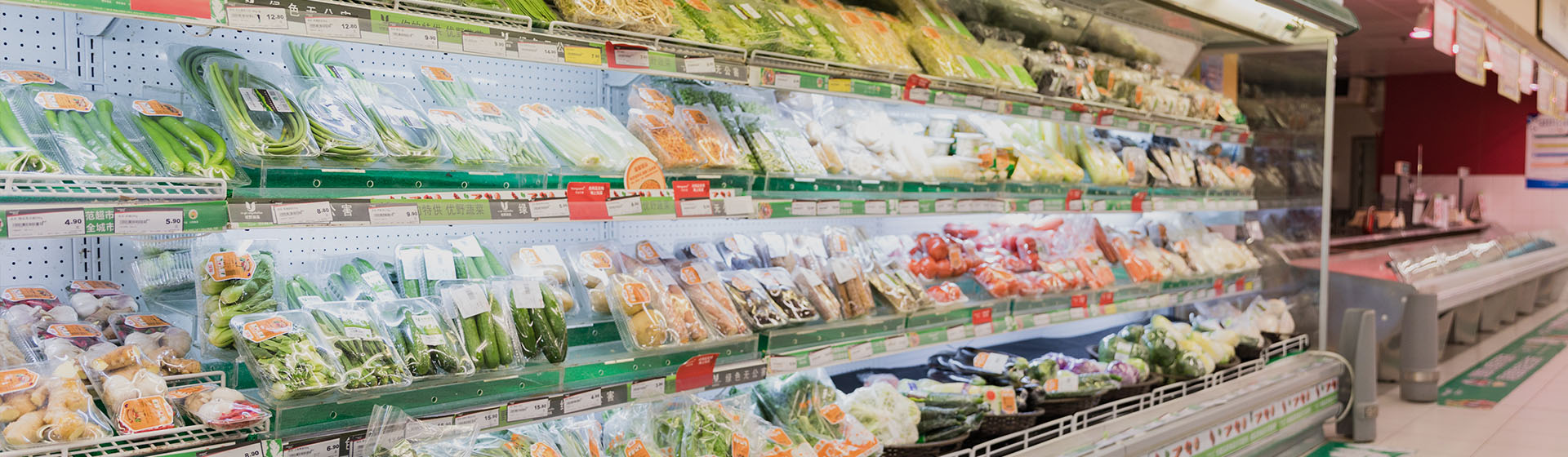
Fresh produce management involves more than simply keeping fruits and vegetables in a refrigerated environment. Unlike packaged products, fresh produce continues to change after harvesting. Factors such as temperature conditions, product arrangement, display time, and handling frequency can all influence product quality. In many fresh food areas, losses are not only caused by product quality before display but also by how products are arranged and managed during the display process. A suitable display method can help staff monitor products more effectively, maintain clearer organization, and reduce unnecessary waste.
Why Fresh Produce Loss Happens During Display
Fruits and vegetables have different characteristics from other refrigerated products. They often require frequent checking, rearrangement, and replenishment because their appearance directly influences customer selection.
During the display process, several factors may contribute to product loss:
- Improper stacking: Placing too many products together can create pressure between items and make it harder to identify products that need attention.
- Limited product visibility: When products are hidden behind other items, staff may have difficulty checking their condition regularly.
- Unclear product classification: Mixing different categories together can increase management difficulty and slow down replenishment.
- Long display periods: Products that remain in the same position for too long may lose freshness and reduce their visual appeal.
Reducing fresh produce loss requires more than maintaining refrigeration conditions. The way products are displayed determines how easily they can be checked, rotated, and managed throughout the day.
The Relationship Between Display Structure and Product Quality
The structure of a display area influences how products are arranged and managed. For fresh produce, a well-planned layout can make it easier to separate different categories and maintain a clear overview of available products.
A Multideck Fridge for Fruit and Vegetable uses multiple display levels to organize products vertically. This changes the way products are presented compared with traditional flat displays.
A well-planned multi-level display can help with:
- Product visibility: Different levels allow more products to remain visible instead of being hidden by excessive stacking.
- Category management: Fruits and vegetables can be arranged according to type, size, or customer purchasing habits.
- Easier product inspection: Staff can identify products that need adjustment or replacement more quickly.
- Better use of available space: Vertical display helps increase presentation capacity without creating a crowded appearance.
However, the display structure itself does not determine the final result. Product arrangement, replenishment habits, and daily management practices are equally important.
Why Product Arrangement Matters More Than Display Capacity
When planning a fresh produce display area, many people focus on how many products can be placed inside the equipment. However, maximum capacity does not always mean better management.
Overloading a display area may create several problems:
- Products become difficult to view and select.
- Air movement may be affected by excessive stacking.
- Damaged or aging products may be harder to identify.
- The overall display can appear crowded.
A more effective approach is to balance product quantity with accessibility. Customers should be able to clearly see available products, while staff should be able to complete daily checks and adjustments efficiently.
For fresh produce, an organized display often creates more value than simply increasing the amount of products shown at one time.
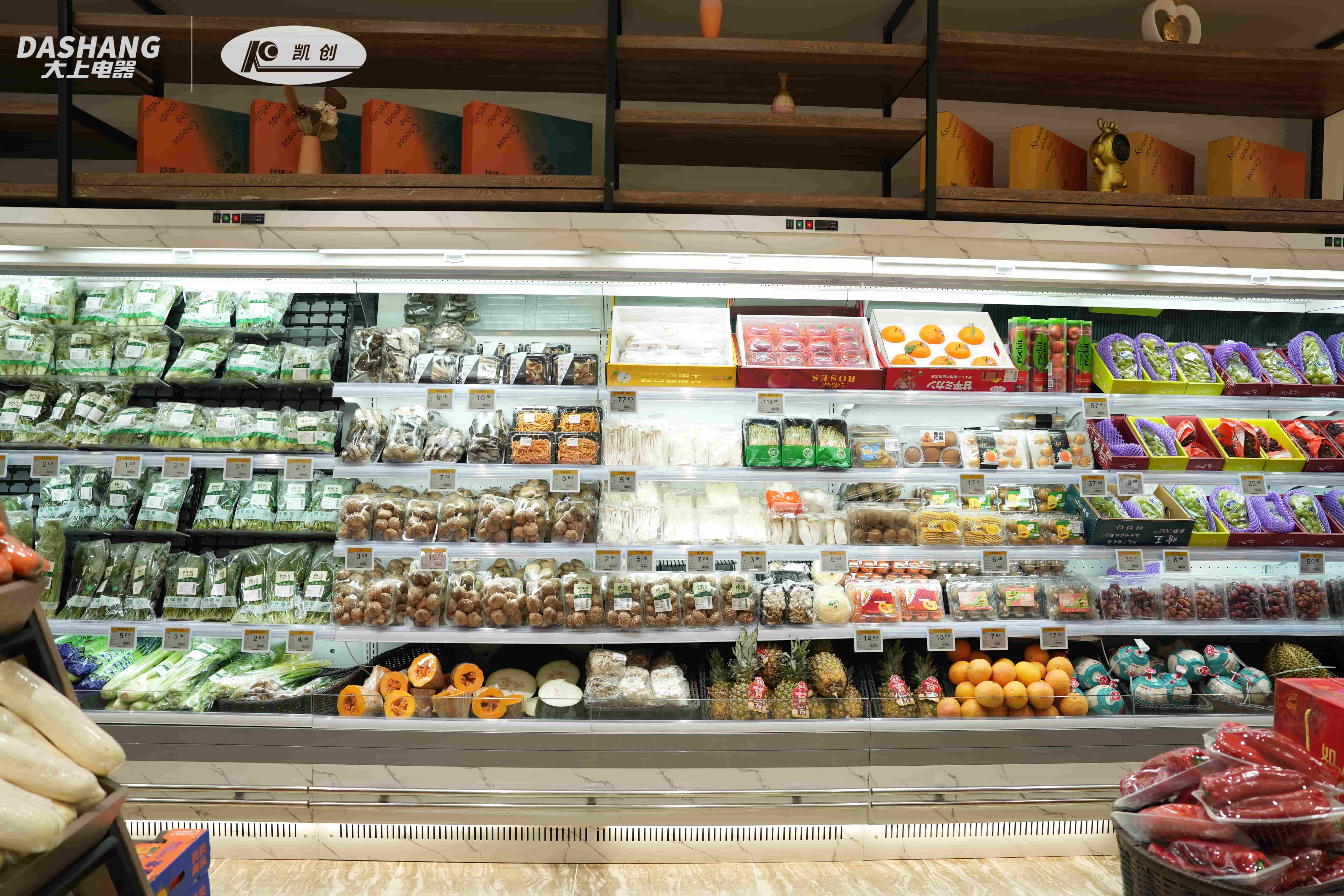
Managing Different Types of Fruits and Vegetables in a Multideck Fridge
Leafy Vegetables
Leafy vegetables are often highly dependent on visual appearance. Customers usually judge freshness by color, shape, and overall condition. For these products, avoiding excessive stacking and maintaining clear visibility can make it easier to monitor product status and adjust the display when needed.
Fresh-Cut Vegetables
Fresh-cut products usually require clearer classification and easier access. Since customers often compare different options quickly, organized placement can improve selection efficiency. Keeping similar products together also helps staff manage replenishment and product rotation.
Fruits
Fruits often rely strongly on visual presentation. Color variety and product arrangement can influence customer attention. Grouping similar fruits together and maintaining a clean display structure helps customers compare products while creating a more attractive fresh food area.
How a Better Display Workflow Improves Daily Operation
A successful fresh produce section depends on an organized workflow rather than equipment alone.
The daily process usually includes:
Product arrival → Classification → Display arrangement → Condition checking → Replenishment → Display adjustment
Each step affects the final display result. A suitable display system should support this workflow by making products easier to arrange, inspect, and maintain. When products are clearly organized, staff can spend less time correcting display problems and more time maintaining product quality.
Choosing a Multideck Fridge for Fruit and Vegetable Areas
Different fresh produce areas have different requirements. Before selecting display equipment, it is important to consider how the space will be used and what types of products will be displayed.
Important factors include:
- Product variety: Different fruits and vegetables may require different display arrangements.
- Display space: The equipment should match the available area and customer movement patterns.
- Restocking frequency: Areas with frequent product replacement may require easier access and organization.
- Daily management methods: The display design should support regular checking and maintenance.
The right choice is not only about refrigeration capacity but also about how well the equipment fits into the overall fresh produce management process.
Dashang provides commercial refrigeration solutions for different fresh food applications, including Multideck Fridge for Fruit and Vegetable configurations. By considering product categories, display requirements, and operating conditions, suitable refrigeration display arrangements can be developed for different fresh produce environments.
Conclusion
Fresh produce loss is influenced by many factors, including product handling, display organization, and daily management methods. A well-planned display area can make products easier to monitor, organize, and maintain. A Multideck Fridge for Fruit and Vegetable is not simply a refrigeration unit. It is part of a complete fresh produce management system that connects product presentation with daily operation. By balancing display capacity, product visibility, and management efficiency, fresh food areas can create a more organized environment while reducing unnecessary product loss.
FAQ
1. Why do fruits and vegetables require different display considerations from packaged food?
Fresh fruits and vegetables continue to change after harvesting and are often judged by appearance. Their display methods need to consider visibility, product condition, and frequent management.
2. Can improper product arrangement increase fresh produce waste?
Yes. Excessive stacking, unclear classification, and poor visibility can make products harder to manage and may increase the chance of quality issues being overlooked.
3. How does a Multideck Fridge help manage different fresh produce categories?
A multideck design provides multiple display levels, allowing different products to be arranged more clearly according to category, size, and management requirements.
4. What should be considered before installing a fruit and vegetable display fridge?
Factors such as product types, available space, customer movement, replenishment frequency, and daily maintenance methods should be considered before installation.
Post time: Oct-13-2026


