
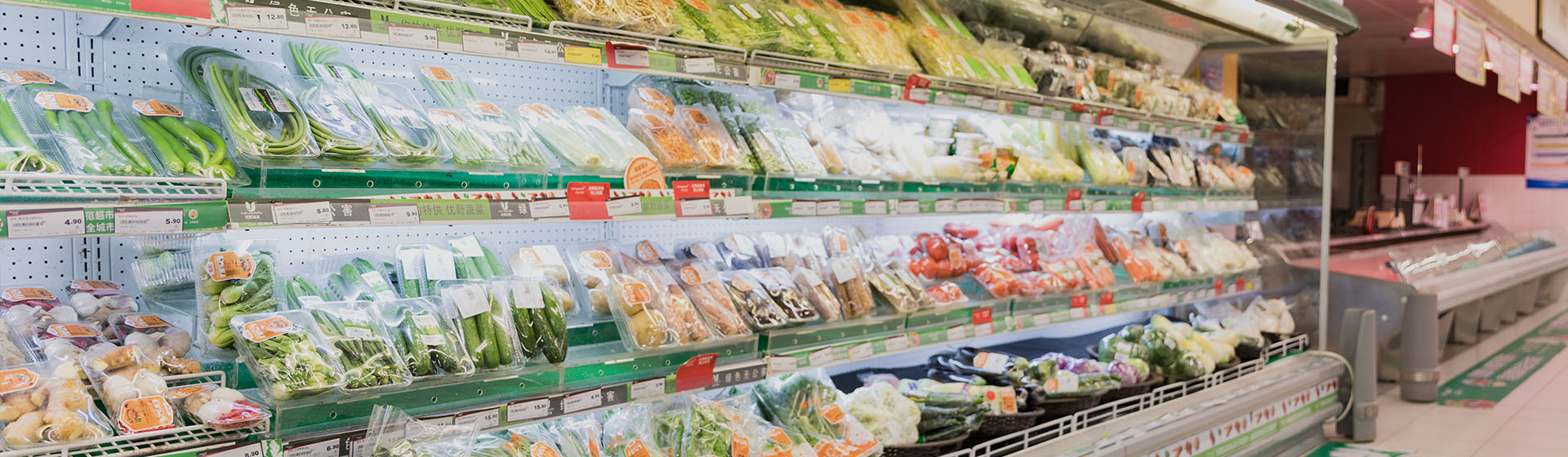
Choosing commercial refrigeration equipment involves more than comparing cabinet sizes and cooling capacity. Door configuration is another important decision, especially for supermarkets, convenience stores, and food retailers that need to balance product visibility, storage efficiency, and customer convenience. Although refrigerators with more doors may offer better product separation, they are not necessarily the best solution for every store.
The right Multi-door Choices depend on the types of products being displayed, customer shopping habits, available installation space, and daily operating requirements. Understanding how different configurations affect actual retail operations can help businesses select equipment that delivers practical value rather than simply choosing the model with the most doors.
More Doors Do Not Always Mean More Usable Capacity
A common assumption is that adding more doors automatically increases storage and display capacity. However, the relationship between door quantity and usable space is more complicated.
Every refrigerator has fixed external dimensions determined by its installation requirements and cabinet structure. Additional door frames, internal partitions, and supporting components may occupy part of the available space. Consequently, a refrigerator with more doors does not always provide proportionally greater internal capacity.
Product dimensions also influence which configuration works best. Tall beverage bottles, wide food packages, and small individual containers require different shelf arrangements. A cabinet with fewer, wider doors may be more suitable for products that need larger display openings, while multiple narrower sections can make smaller packaged items easier to organize.
Retailers should therefore compare internal shelf dimensions and usable storage areas instead of relying only on the number of doors. Effective Multi-door Choices should improve product organization without restricting the way merchandise is stored or displayed.
How Door Configuration Influences Shopping Convenience
Customer access is another reason retailers need to consider door quantity carefully. In busy stores, customers often open a refrigerator, select an item, and close it within a short period. The design of each access section can influence how easily this process takes place.
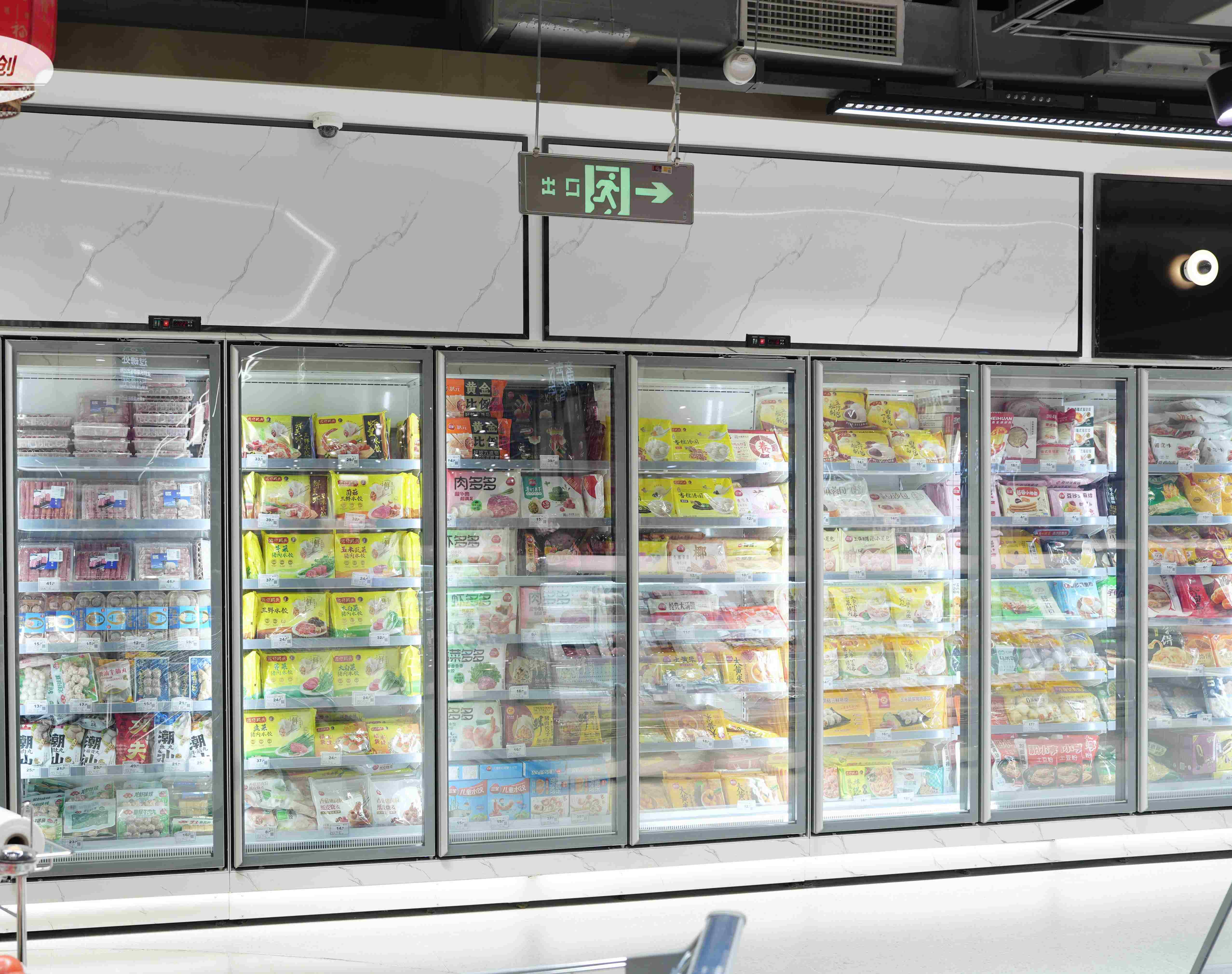
Multiple doors allow a refrigerator to be divided into smaller display areas. Customers can access a specific product category without opening the entire cabinet. This arrangement can be particularly useful when beverages, dairy products, and packaged foods are displayed separately.
However, excessive compartmentalization can also create inconvenience. If individual openings are too narrow, customers may find it difficult to compare products or reach items positioned across different sections. Door handles and opening directions can further affect accessibility, particularly in narrow retail aisles.
When evaluating Multi-door Choices, retailers should consider the actual shopping journey. Smaller access sections may work well for individual beverages or packaged snacks, while wider openings may be more practical for products that customers frequently compare or purchase in larger quantities.
The Connection Between Door Design and Temperature Stability
Temperature stability is one of the most important requirements for commercial refrigeration. Every time a door opens, warmer ambient air can enter the cabinet, potentially affecting the temperature of stored products.
A multi-door design can limit the exposed area during individual openings. When a customer accesses one section, the remaining doors stay closed. This can help reduce unnecessary air exchange compared with opening a single large door.
Nevertheless, more doors do not automatically guarantee better temperature control. The actual result depends on door sealing, opening frequency, cabinet insulation, cooling performance, and internal airflow. Damaged gaskets or poorly arranged products can still cause temperature fluctuations.
Retailers should check whether doors close properly and whether the refrigeration system can maintain consistent conditions under normal operating loads. Products should not block air outlets or prevent cold air from circulating throughout the cabinet.
Good Multi-door Choices combine convenient access with an appropriate refrigeration design. Door quantity should support temperature management rather than be treated as a substitute for reliable cooling performance.
Does Having More Doors Reduce Energy Consumption?
Energy efficiency is often considered when comparing commercial refrigerators. Since multiple doors expose smaller sections during individual openings, some retailers may expect them to consume less electricity. However, actual energy consumption depends on the complete equipment design.
Insulation quality, compressor performance, evaporator and condenser efficiency, lighting, ambient temperature, and door sealing all influence operating costs. A refrigerator with more doors may also have additional frames, hinges, and sealing areas that require proper design and maintenance.
For this reason, retailers should compare the energy performance of complete models instead of assuming that a higher door count automatically means better efficiency. Daily opening frequency and operating hours should also be considered when estimating long-term energy use.
A well-designed refrigerator with fewer doors may perform efficiently in one retail environment, while a multi-door model may be more suitable in another. The most practical Multi-door Choices are those that match the store’s actual workload and product requirements.
Installation Space Can Determine the Best Configuration
Even when a refrigerator offers suitable storage capacity, its physical dimensions and door-opening range must fit the store layout. A large multi-door cabinet may create an attractive continuous display, but it also requires sufficient floor space, ventilation clearance, and room for maintenance.
Door swing is particularly important. If opened doors interfere with shopping carts, nearby shelves, or customer movement, the equipment may disrupt normal store operations. In narrow aisles, door width and opening direction can directly affect accessibility.
Installation requirements also vary according to refrigeration design. Remote systems may require additional planning for refrigerant piping, drainage, electrical connections, and access to service components. Plug-in models have different ventilation and placement considerations.
Before confirming Multi-door Choices, retailers should measure the installation area and consider how the refrigerator will interact with surrounding equipment. Planning these details in advance helps prevent unnecessary modifications after delivery.
More Doors Can Mean More Maintenance Points
Each refrigerator door contains components that experience repeated movement during daily use. Hinges, handles, gaskets, and closing mechanisms may gradually wear, especially in stores with frequent customer access.
If one door fails to close properly, warm air can continuously enter the cabinet. This may increase the refrigeration system’s workload and affect internal temperature conditions. Poor sealing can also contribute to condensation or frost under certain operating conditions.
Regular maintenance should include checking door alignment, inspecting gasket condition, cleaning contact surfaces, and ensuring that closing mechanisms work correctly. Staff should also avoid forcing doors or placing heavy objects against them.
When comparing Multi-door Choices, retailers should consider whether their maintenance teams can inspect and service all door sections efficiently. A configuration that offers convenient product access but creates unnecessary maintenance complexity may not be the most suitable long-term option.
Matching Multi-door Configurations to Retail Requirements
Different retail environments have different refrigeration needs. Beverage sections, dairy displays, packaged food areas, and mixed-product stores may require different door arrangements depending on product dimensions, shopping patterns, and display priorities.
Before selecting a refrigerator, retailers should evaluate the following practical considerations:
- Product compatibility: Check whether shelf dimensions, opening widths, and internal layouts accommodate the products being displayed.
- Customer access: Consider how frequently each section will be opened and whether door movement affects nearby traffic.
- Display organization: Determine whether separate compartments make product categories easier to identify, replenish, and manage.
- Operating conditions: Review temperature requirements, expected usage frequency, and the available maintenance resources.
Commercial refrigeration ranges can include different cabinet widths, door arrangements, and display formats. Comparing these options with an experienced refrigeration equipment provider can help businesses identify a configuration suited to their operating environment. Dusung Refrigeration offers retail refrigeration equipment for different commercial display applications, giving retailers options to consider based on product categories, available space, and daily operating needs.
Conclusion
More doors do not necessarily make a commercial refrigerator better. Although additional doors can improve product separation and limit the area exposed during individual openings, they may also introduce space limitations and additional maintenance requirements.
The best Multi-door Choices depend on usable capacity, shopping convenience, temperature stability, energy performance, and installation conditions. Retailers should evaluate the complete cabinet design rather than focusing on door quantity alone. A suitable configuration is one that supports efficient product display, accommodates customer behavior, and maintains reliable performance throughout daily operation.
FAQs
1. Can multi-door refrigerators be customized to fit different store layouts?
Some commercial refrigeration models offer different cabinet dimensions and door configurations. Customization possibilities depend on the product range, installation conditions, and specific equipment requirements.
2. Can a multi-door refrigerator display beverages and dairy products together?
Yes, provided that their required storage temperatures are compatible. If different product categories require significantly different temperature conditions, equipment with suitable independent temperature zones may be more appropriate.
3. Do multi-door refrigerators need to be restocked throughout the business day?
Not necessarily. Restocking frequency depends on product sales, cabinet capacity, and inventory management. Organizing replenishment schedules and avoiding excessive loading can help maintain an orderly display and proper airflow.
4. Can an existing commercial refrigerator be replaced with a model that has more doors?
Yes, but retailers should not rely only on the existing unit’s external dimensions. Installation space, electrical capacity, refrigeration system requirements, and product display needs should all be checked before selecting a replacement.
Post time: Nov-06-2026


