
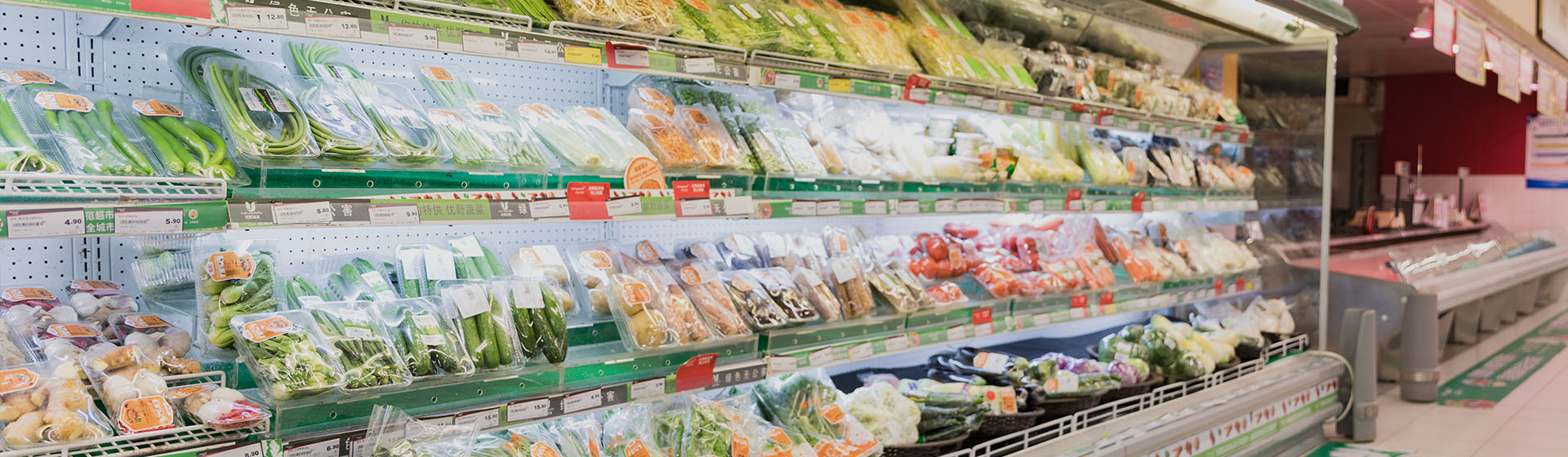
Fresh meat retail depends on more than keeping products cold. Customers need to see different cuts clearly, compare products quickly, and access the display comfortably. At the same time, retailers need equipment that supports stable refrigeration, organized merchandising, and efficient daily replenishment. A Meat Display Chiller brings these requirements together in one commercial refrigeration solution. Instead of treating the cabinet as simple cold storage, retailers can use it as part of the sales area, where product visibility, display organization, cooling performance, and available floor space all affect the shopping experience.
Why the Display Cabinet Matters in Fresh Meat Retail
Fresh meat is highly visual. Customers often compare cuts, packaging, color, and portion sizes before making a purchase. A poorly organized cabinet can make products difficult to identify, even when the available stock is sufficient.
A suitable display chiller can create clearer product zones and make the meat section easier to browse. Beef, pork, poultry, prepared meat, and other products can be arranged according to the store’s merchandising strategy.
This creates three practical benefits:
- Better visibility: Customers can see products without repeatedly opening or moving packages.
- Clearer merchandising: Different meat categories can be separated and presented more logically.
- Easier replenishment: Staff can restock products without completely disrupting the display.
For retailers, the objective is not simply to maximize the number of packages inside the cabinet. The more useful goal is to make available products easy to see, understand, and purchase.
How Does a Meat Display Chiller Support Sales?
A fresh meat display is part of the customer’s purchasing environment. When products are clearly presented, shoppers can compare different options without spending unnecessary time searching through the cabinet.
The cabinet’s front display area, internal arrangement, and product visibility therefore have commercial importance. A well-planned display can help separate product categories and create a more organized shopping path.
For example, a supermarket may use different areas for beef, pork, poultry, and prepared products. A butcher shop may arrange products by cut or package size. The equipment should provide enough usable display space to support these arrangements without making the cabinet appear crowded.
This is why choosing a Meat Display Chiller should involve more than checking its overall capacity. Retailers should consider how effectively the available space can present products to customers.
Cooling Performance Must Match Retail Conditions
Product presentation only works when refrigeration performance is reliable. Fresh meat requires appropriate chilled storage conditions, while retail cabinets also need to handle normal operating factors such as customer access and frequent replenishment.
Opening the display area repeatedly can introduce warmer air. Overloading the cabinet can restrict circulation. Products placed directly against ventilation areas may also interfere with airflow.
A practical display arrangement should therefore maintain enough space for air movement while keeping products visible and accessible.
Retailers should also consider their operating environment. A busy supermarket meat department may experience more frequent customer interaction than a smaller butcher shop. The expected traffic level, replenishment frequency, and product turnover should be considered when selecting the refrigeration configuration.
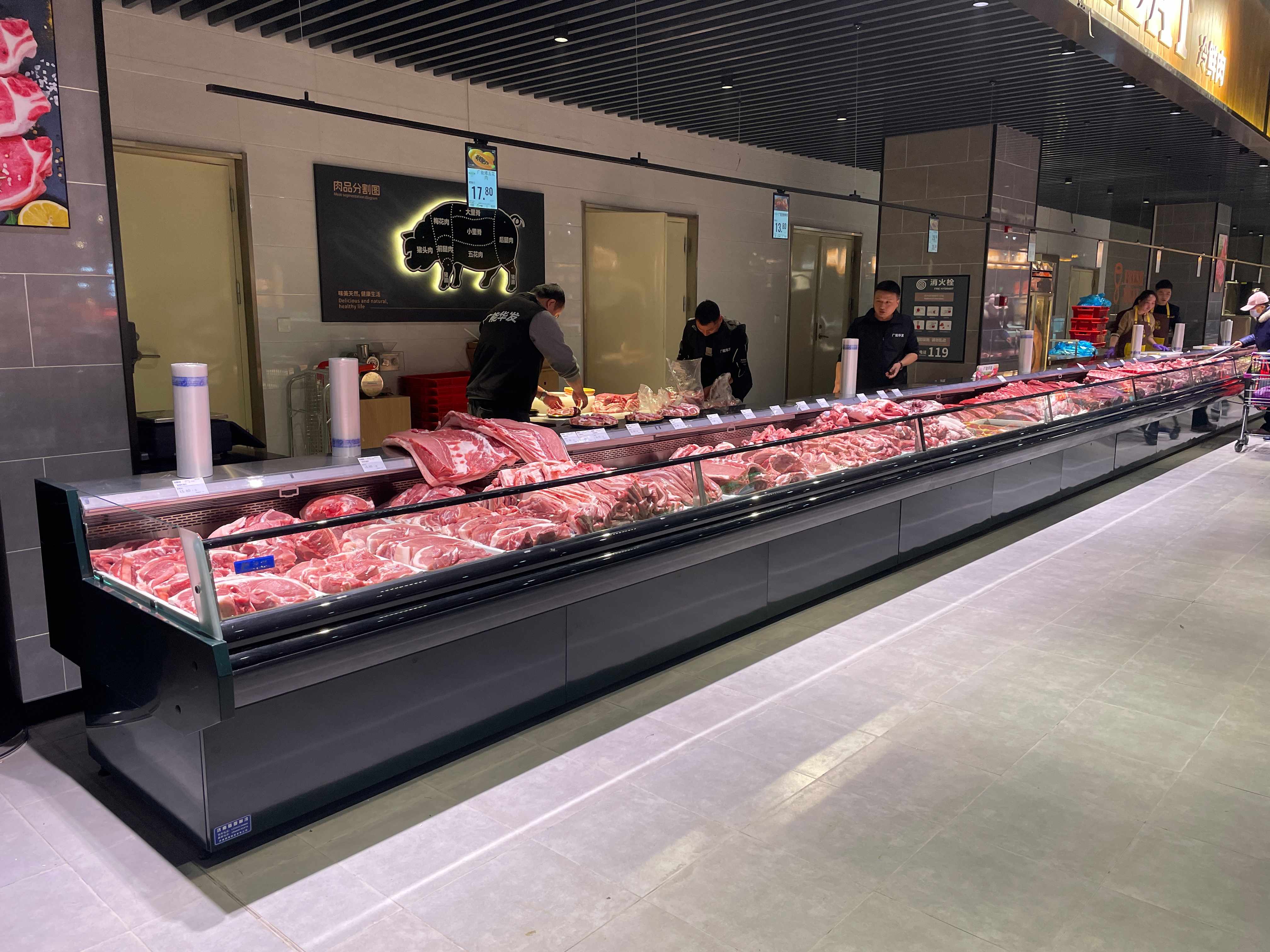
Usable Display Space Is More Important Than Maximum Capacity
A large internal volume does not automatically create a better meat display. If products are packed too tightly, customers may have difficulty identifying them and employees may need more time to organize and replenish the cabinet.
When evaluating display capacity, retailers should look at usable space rather than volume alone.
| Retail requirement | What to evaluate |
|---|---|
| Product visibility | Glass area and display position |
| Meat categories | Space for logical product grouping |
| Package variety | Flexible display arrangement |
| Replenishment | Staff access to the display area |
| Air circulation | Clearance around ventilation areas |
| Store space | Cabinet footprint and customer access |
This approach helps retailers avoid paying for capacity that cannot be used effectively. The right cabinet should provide enough display space for normal stock levels while maintaining an organized presentation.
What Should Retailers Look for Before Buying?
The best Meat Display Chiller depends on the store’s products, sales volume, available space, and operating process. A cabinet designed for a large supermarket may not be the most practical choice for a small butcher shop.
Key factors include:
Display visibility: A clear front presentation helps customers compare products and supports merchandising.
Internal layout: The available display area should accommodate different package sizes without excessive stacking.
Cooling configuration: The refrigeration system should suit the expected operating conditions and product requirements.
Store footprint: Cabinet dimensions should work with aisles, customer flow, and available installation space.
Replenishment access: Staff should be able to load and organize products efficiently during daily operations.
Maintenance: Cleaning, inspection, and service access can affect the long-term practicality of the equipment.
Looking at these factors together gives retailers a more realistic picture of how the cabinet will perform after installation.
Which Display Configuration Fits Different Retail Stores?
Different sales environments have different priorities.
A supermarket meat department usually needs enough display width to present several categories at once. Product visibility and merchandising flexibility are often more important than simply reducing cabinet size.
A butcher shop may prioritize easy staff access, attractive presentation, and a configuration that fits a smaller sales area.
A convenience store may need to make better use of limited floor space. A compact refrigeration solution can provide chilled display capacity without taking excessive room from other merchandise.
Retailers should also consider whether the cabinet will operate as a plug-in unit or connect to a remote refrigeration system. The appropriate option depends on the store’s existing infrastructure, installation conditions, available space, and maintenance plan.
There is no universal configuration. The better choice is the one that matches the actual sales environment.
How Can Retailers Improve Daily Meat Display Management?
Selecting the equipment is only the first step. Daily management also affects how effectively the cabinet supports sales.
Products should be grouped consistently so customers can quickly understand the display. Stock should be replenished before key areas look empty, while excessive loading should be avoided.
Staff should also keep ventilation areas clear and monitor cabinet conditions according to the equipment’s operating requirements. Regular cleaning helps maintain a professional appearance, while routine inspection can identify developing equipment problems before they affect normal operation.
A well-managed Meat Display Chiller can therefore support both product presentation and daily store efficiency.
Choosing Equipment Around the Store’s Sales Strategy
The right meat display cabinet should be selected around how the store actually sells fresh meat.
Before purchasing, retailers can consider:
- What products will be displayed? Different cuts and packaging formats require different arrangements.
- How much product needs to be visible? Display requirements should reflect normal stock levels rather than maximum theoretical capacity.
- How often will customers access the display? Higher traffic may require a configuration suited to frequent use.
- How much floor space is available? Cabinet dimensions should work with customer circulation and other store equipment.
- How will the equipment be installed and maintained? The refrigeration configuration should match the store’s infrastructure and service conditions.
Dusung Refrigeration provides commercial refrigeration equipment for different fresh-food retail applications. Its product range includes fresh food display solutions that can be considered according to store layout, product category, installation requirements, and daily operating needs.
For retailers planning a new meat section or replacing existing equipment, matching the display cabinet to the actual sales environment can be more valuable than choosing equipment based only on size or appearance.
Conclusion
A Meat Display Chiller is not simply a refrigerated cabinet. In fresh meat retail, it forms part of the product presentation and sales environment. Visibility, usable display space, cooling performance, replenishment convenience, store footprint, and maintenance all influence whether the equipment works effectively in daily operation.
Retailers should therefore evaluate the cabinet according to their product mix, customer traffic, merchandising strategy, and installation conditions. Choosing the right configuration can help create a clearer meat display, use available space more effectively, and provide a more practical foundation for fresh meat sales.
FAQ
1. What makes a Meat Display Chiller different from a standard commercial refrigerator?
A Meat Display Chiller combines refrigerated storage with a customer-facing display area, making it suitable for presenting fresh meat while maintaining chilled conditions.
2. Does a larger display chiller provide better sales results?
Not necessarily. Display effectiveness depends on product visibility, organization, customer access, and how well the cabinet fits the store’s available space.
3. What type of store can use a Meat Display Chiller?
Supermarkets, butcher shops, convenience stores, and other fresh-food retailers can use meat display refrigeration, with the appropriate configuration depending on product range and store layout.
4. What should be checked before purchasing a meat display cabinet?
Consider display visibility, usable capacity, cooling configuration, cabinet dimensions, replenishment access, installation conditions, and long-term maintenance requirements.
Post time: Nov-18-2026


