
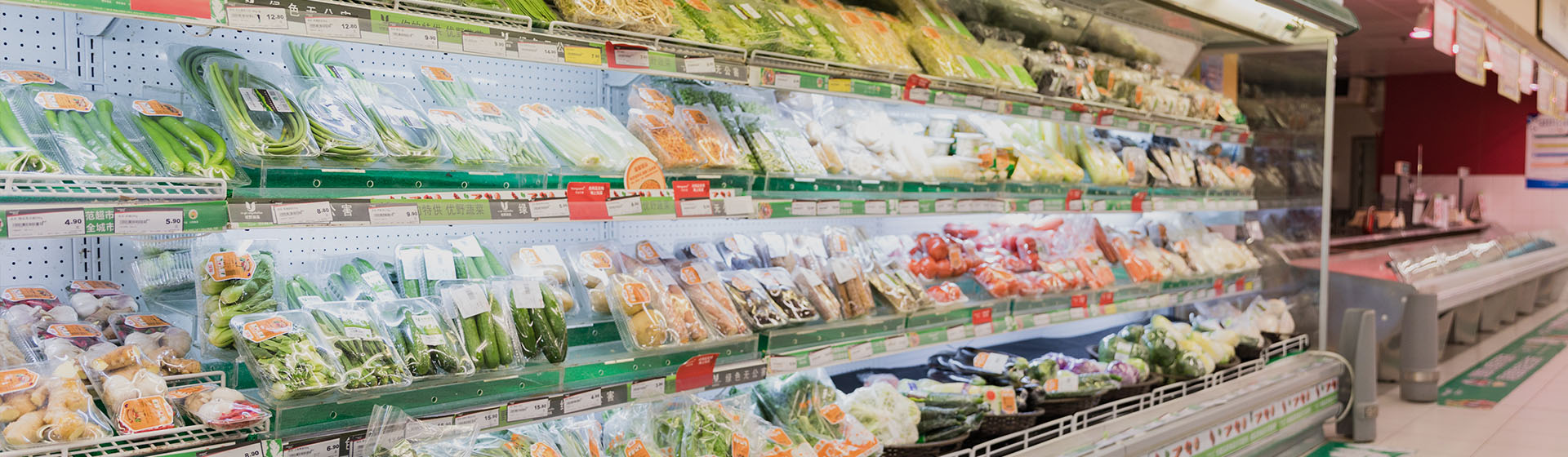
In modern retail and foodservice operations, effectively displaying fresh food while maintaining quality is a critical challenge. A Classic Fresh Food Cabinet provides an ideal solution by combining elegant design, reliable temperature control, and convenient accessibility. These cabinets are widely used in supermarkets, convenience stores, bakeries, and cafes, helping businesses maintain product freshness, improve customer experience, and boost sales.
Why a Classic Fresh Food Cabinet is Essential
Fresh food presentation plays a key role in attracting customers and influencing purchasing decisions. A Classic Fresh Food Cabinet ensures that products remain fresh and visually appealing, while also providing operational efficiency:
● Consistent freshness – Maintains optimal temperature and humidity to preserve fruits, vegetables, and other perishable goods.
● Enhanced product visibility – Clear doors and well-organized shelving display products attractively.
● Improved hygiene – Stainless steel or antimicrobial surfaces reduce contamination risks.
● Operational efficiency – Easy access for both staff and customers accelerates workflow.
● Energy efficiency – Modern cabinets are designed to minimize energy consumption without compromising performance.
By addressing these needs, businesses can enhance customer satisfaction and reduce waste.
Key Features of a Classic Fresh Food Cabinet
When selecting a Classic Fresh Food Cabinet, several features are critical for performance and longevity:
1. Adjustable Shelving
Shelves can be moved or removed to accommodate different product sizes and types, allowing flexibility for seasonal changes or special promotions.
2. Transparent Glass Doors
Glass doors provide full visibility of products while protecting them from external contaminants. LED lighting inside the cabinet enhances visual appeal and highlights freshness.
3. Advanced Temperature Control
Digital thermostats ensure precise temperature settings, maintaining optimal conditions for various fresh foods such as salads, sandwiches, and pastries.
4. Hygienic Surfaces
Cabinets are typically made from stainless steel, tempered glass, or antimicrobial materials, making them easy to clean and maintain high hygiene standards.
5. Energy-Saving Design
High-efficiency compressors, double-glass insulation, and automatic door closers reduce energy usage, lowering operational costs while protecting the environment.
6. User-Friendly Operation
Ergonomic handles, smooth sliding doors, and intuitive controls make the cabinet easy for staff to manage, improving workflow and customer service.
7. Flexible Size Options
Available in multiple sizes and configurations, these cabinets can be tailored to fit small cafes, large supermarkets, or display islands for high-traffic areas.
Advantages of Using a Classic Fresh Food Cabinet
Investing in a Classic Fresh Food Cabinet provides numerous benefits for retail and foodservice businesses:
● Reduced spoilage – Consistent temperature and humidity control extend product shelf life.
● Boosted sales – Attractive product presentation encourages customer purchases.
● Time savings – Easy-to-access shelves reduce staff handling time.
● Hygienic operations – Easy-to-clean surfaces and enclosed storage maintain high food safety standards.
● Sustainability – Energy-efficient models reduce electricity consumption and environmental footprint.
● Customer satisfaction – Visible and well-maintained products improve shopping experience.
These benefits make the cabinet a vital tool for businesses aiming to combine functionality with visual appeal.
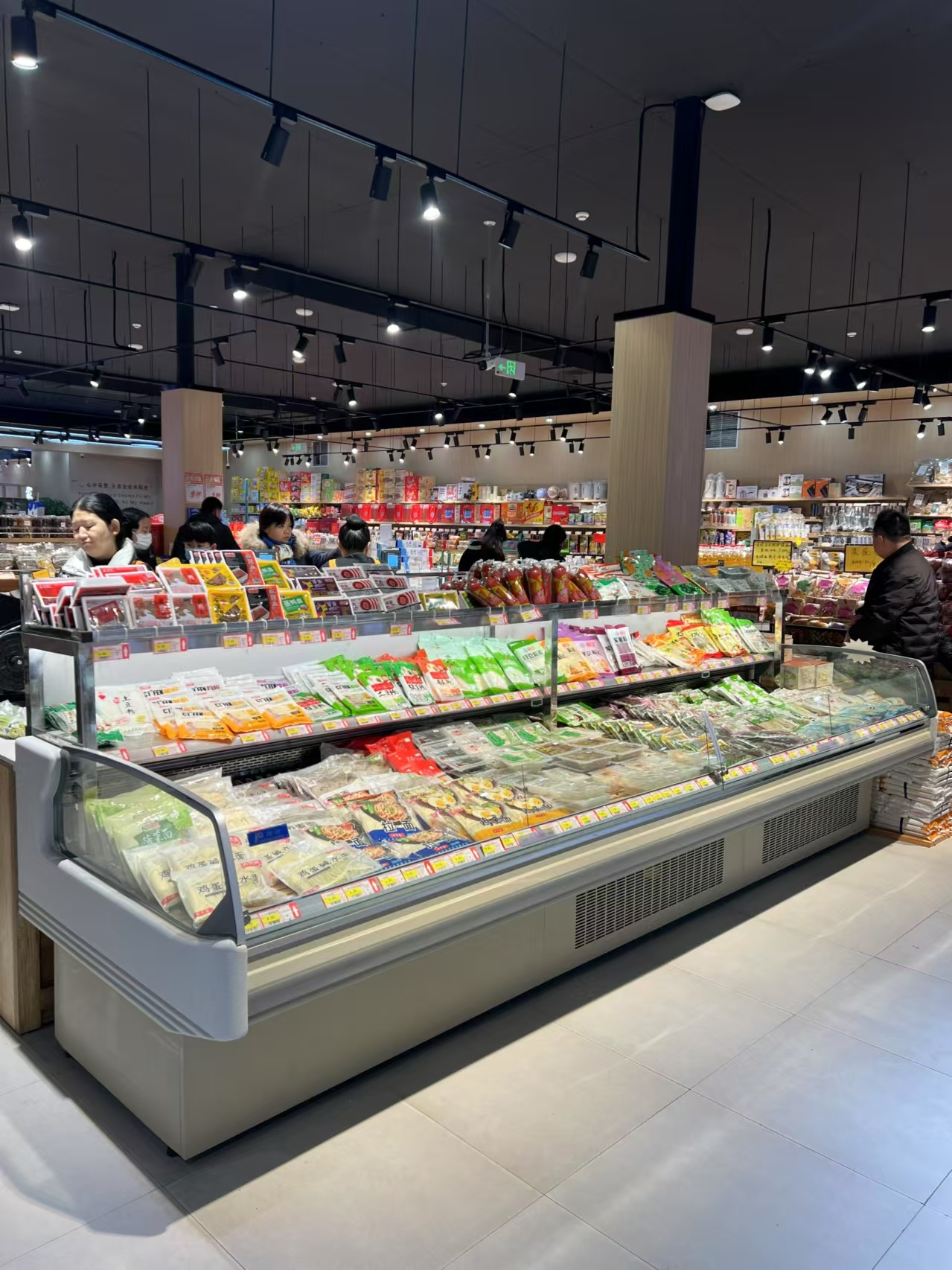
Tips for Maintaining Your Classic Fresh Food Cabinet
Proper maintenance ensures longevity and reliable performance:
● Clean shelves, glass doors, and interior surfaces regularly with food-safe disinfectants.
● Check temperature settings frequently and calibrate thermostats as needed.
● Ensure that doors close properly to maintain consistent internal temperatures.
● Remove expired or spoiled products promptly to maintain hygiene and freshness.
● Inspect seals and gaskets periodically to prevent cold air leakage.
Regular maintenance not only preserves product quality but also minimizes energy consumption and repair costs.
Choosing the Right Classic Fresh Food Cabinet
When selecting a Classic Fresh Food Cabinet, consider the following factors:
● Capacity requirements – Match the cabinet size to your product volume and display needs.
● Type of food – Different products, such as salads, sandwiches, or desserts, may require specific temperature and humidity ranges.
● Energy efficiency – Choose cabinets with high-efficiency compressors and insulation to save on operational costs.
● Design and aesthetics – Consider cabinet appearance to complement your store or kitchen layout.
● Ease of maintenance – Opt for models with removable shelves, easy-access components, and durable materials.
Choosing the right cabinet ensures maximum efficiency, freshness, and appeal for your fresh food offerings.
Conclusion
A Classic Fresh Food Cabinet is more than just a storage solution; it is a strategic asset for businesses that prioritize freshness, hygiene, and presentation. With features such as adjustable shelving, glass doors, precise temperature control, and energy-efficient design, these cabinets provide a perfect balance between functionality and visual appeal.
By investing in the right classic fresh food cabinet, retail and foodservice operators can enhance product shelf life, reduce waste, boost sales, and create a more satisfying customer experience. Proper maintenance and careful selection ensure long-term efficiency and reliability, making it an indispensable part of any fresh food business.
FAQ
Q1: What foods are best stored in a Classic Fresh Food Cabinet?
A: Ideal for fruits, vegetables, salads, sandwiches, pastries, and other fresh, perishable items.
Q2: How does a Classic Fresh Food Cabinet save energy?
A: High-efficiency compressors, insulated glass, and automatic door closers reduce electricity consumption while maintaining stable temperatures.
Q3: Can this cabinet improve customer sales?
A: Yes, the attractive display, LED lighting, and clear visibility encourage purchases and enhance the shopping experience.
Q4: What maintenance is required for a Classic Fresh Food Cabinet?
A: Regular cleaning, checking thermostat settings, inspecting door seals, and removing expired products ensure optimal performance and hygiene.
Post time: Feb-05-2026


