
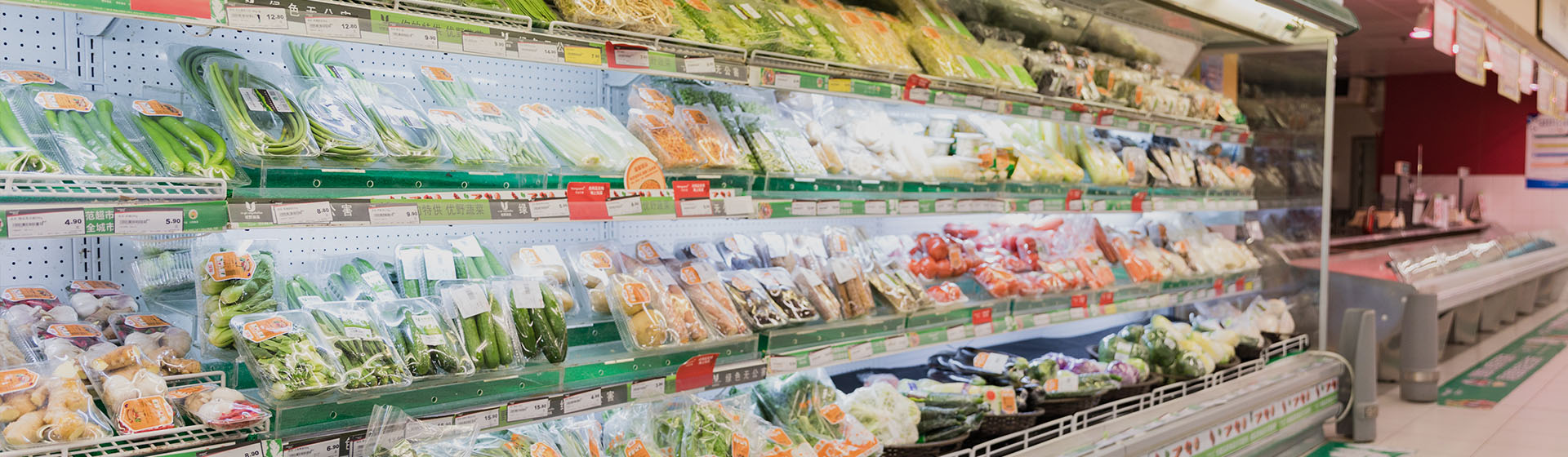
In the modern retail and foodservice industries, maintaining product quality while optimizing space and energy usage is critical. The sliding door freezer has emerged as a vital solution for businesses looking to store frozen goods efficiently while improving accessibility and reducing operational costs. For B2B buyers, understanding the features, advantages, and applications of sliding door freezers is essential for maximizing investment and operational efficiency.
These freezers are more than storage units; they are strategic tools that enhance workflow, preserve product quality, and improve customer satisfaction.
Key Advantages of Sliding Door Freezers
The sliding door freezer is designed for commercial environments where both storage capacity and accessibility are crucial. Its design and technology provide multiple benefits for B2B users:
● Space Optimization – Sliding doors eliminate the need for swing space, allowing tighter aisle arrangements and better use of floor area.
● Energy Efficiency – Reduced cold air loss during door operation minimizes electricity consumption.
● Consistent Temperature Control – Maintains stable internal temperatures to protect product quality and comply with safety regulations.
● Enhanced Product Accessibility – Easy sliding mechanisms improve workflow for staff, enabling quick retrieval of items.
● Durability and Reliability – Robust construction withstands high-traffic commercial use while reducing maintenance needs.
These advantages make sliding door freezers ideal for supermarkets, convenience stores, restaurants, and industrial kitchens.
Critical Features to Consider
When selecting a sliding door freezer, businesses should evaluate key functionalities that influence performance and longevity.
Refrigeration System
● High-efficiency compressors for uniform cooling
● Eco-friendly refrigerants to meet environmental standards
● Advanced digital temperature controls
● Automatic defrosting systems to maintain hygiene and efficiency
A reliable refrigeration system ensures product safety, reduces energy use, and minimizes spoilage.
Door Design and Structure
● Smooth sliding doors for easy access and minimal air exchange
● Tempered glass or solid panels for durability and visibility
● Anti-condensation features to maintain clear visibility of contents
● Integrated LED lighting to enhance product presentation
Proper door design improves usability while reducing energy loss.
Technology and Monitoring
Modern sliding door freezers often include intelligent features to simplify management:
● Remote temperature monitoring and alerts
● Energy usage tracking
● Predictive maintenance notifications to prevent downtime
These features ensure consistent performance and operational efficiency.
Applications Across B2B Sectors
Sliding door freezers are versatile and suitable for various commercial scenarios:
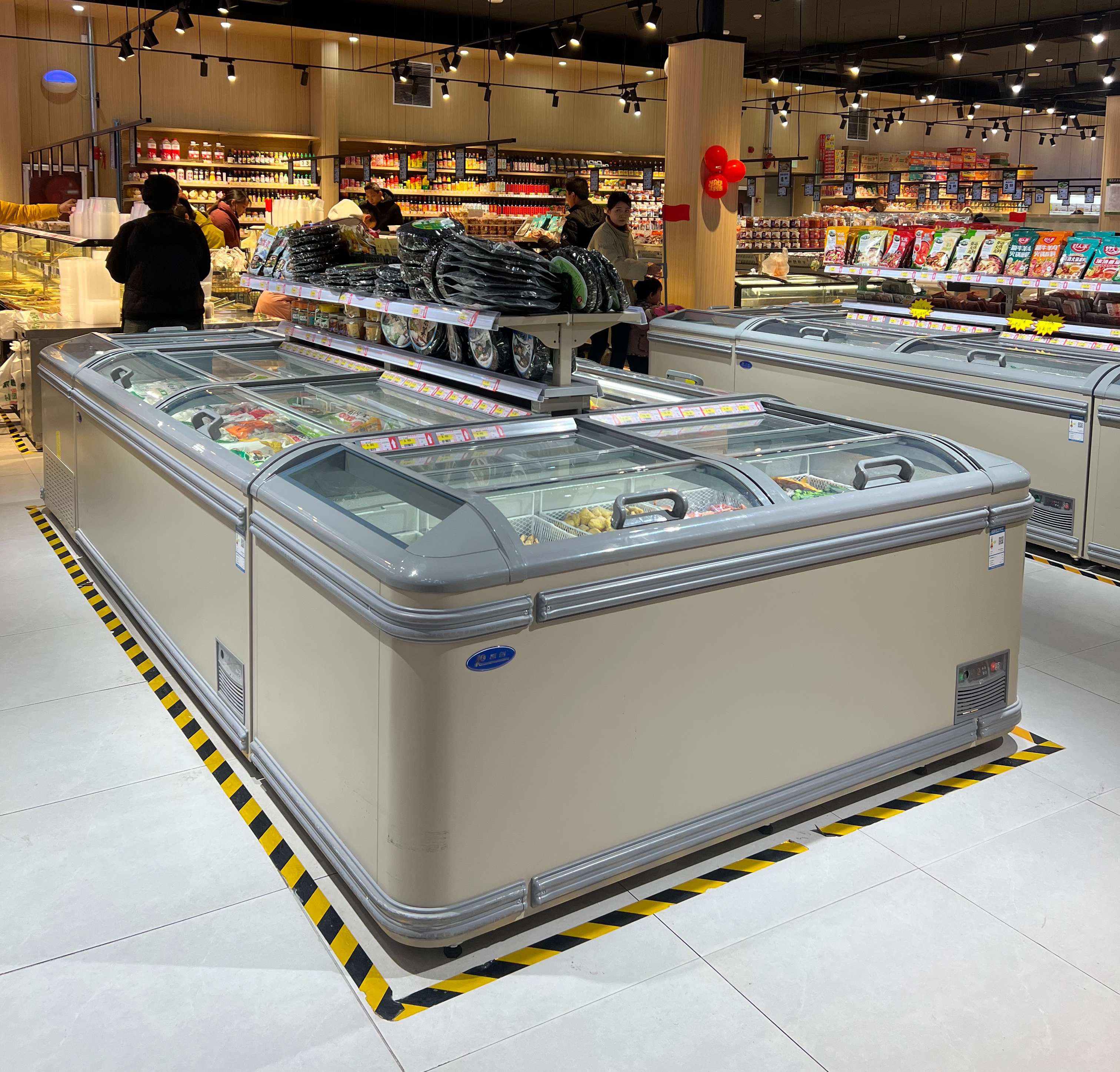
● Supermarkets and grocery stores – Frozen foods, ice cream, packaged meals
● Convenience stores – Compact high-turnover frozen products
● Restaurants and catering kitchens – Storage and quick access for meal prep
● Hotels and cafeterias – Buffet and bulk storage
● Food distribution centers – Efficient staging and transport of frozen goods
Its flexibility ensures that businesses can maintain product quality while optimizing workflow and space.
Best Practices for Installation and Maintenance
Proper installation and routine maintenance are key to maximizing efficiency:
● Place the freezer in a well-ventilated location
● Ensure it is level to prevent compressor stress
● Regularly clean condenser coils and filters
● Inspect door seals to prevent cold air leakage
● Perform temperature calibration and scheduled preventive maintenance
Following these practices reduces downtime, protects investment, and ensures consistent product preservation.
Energy Efficiency and Sustainability
With sustainability becoming increasingly important, many sliding door freezers offer:
● Energy-saving LED lighting
● Low-GWP refrigerants to reduce environmental impact
● Modular and recyclable materials
● Intelligent energy management systems
Selecting an energy-efficient freezer supports corporate sustainability goals while lowering operational costs.
Conclusion
The sliding door freezer is more than a storage unit; it is a strategic investment that enhances space utilization, improves energy efficiency, maintains product quality, and boosts operational productivity. For B2B buyers, choosing a freezer with the right features, technology, and maintenance support ensures long-term savings, higher customer satisfaction, and reliable performance in commercial settings.
FAQ:
1. How does a sliding door freezer save energy compared to swing-door models?
Sliding doors minimize the space needed to open, reducing cold air loss and lowering compressor load.
2. Can these freezers handle high-traffic commercial environments?
Yes, they are built for frequent use while maintaining stable internal temperatures.
3. What maintenance is required to ensure long-term efficiency?
Regular cleaning of condensers, inspection of door seals, and temperature calibration are recommended.
4. Are sliding door freezers suitable for different product sizes?
Yes, adjustable shelving allows for flexible storage of various frozen items.
Post time: Feb-27-2026


