
In today’s competitive foodservice and retail environments, maintaining product quality while optimizing storage space is crucial. Among various cold storage solutions, island freezers have emerged as a cornerstone for supermarkets, convenience stores, and commercial kitchens. Their strategic design, ease of access, and energy efficiency make them indispensable for businesses that handle perishable goods. Understanding the advantages, design considerations, and best practices for selecting island freezers can significantly impact operational efficiency and profitability.
What Is an Island Freezer and Why It Matters
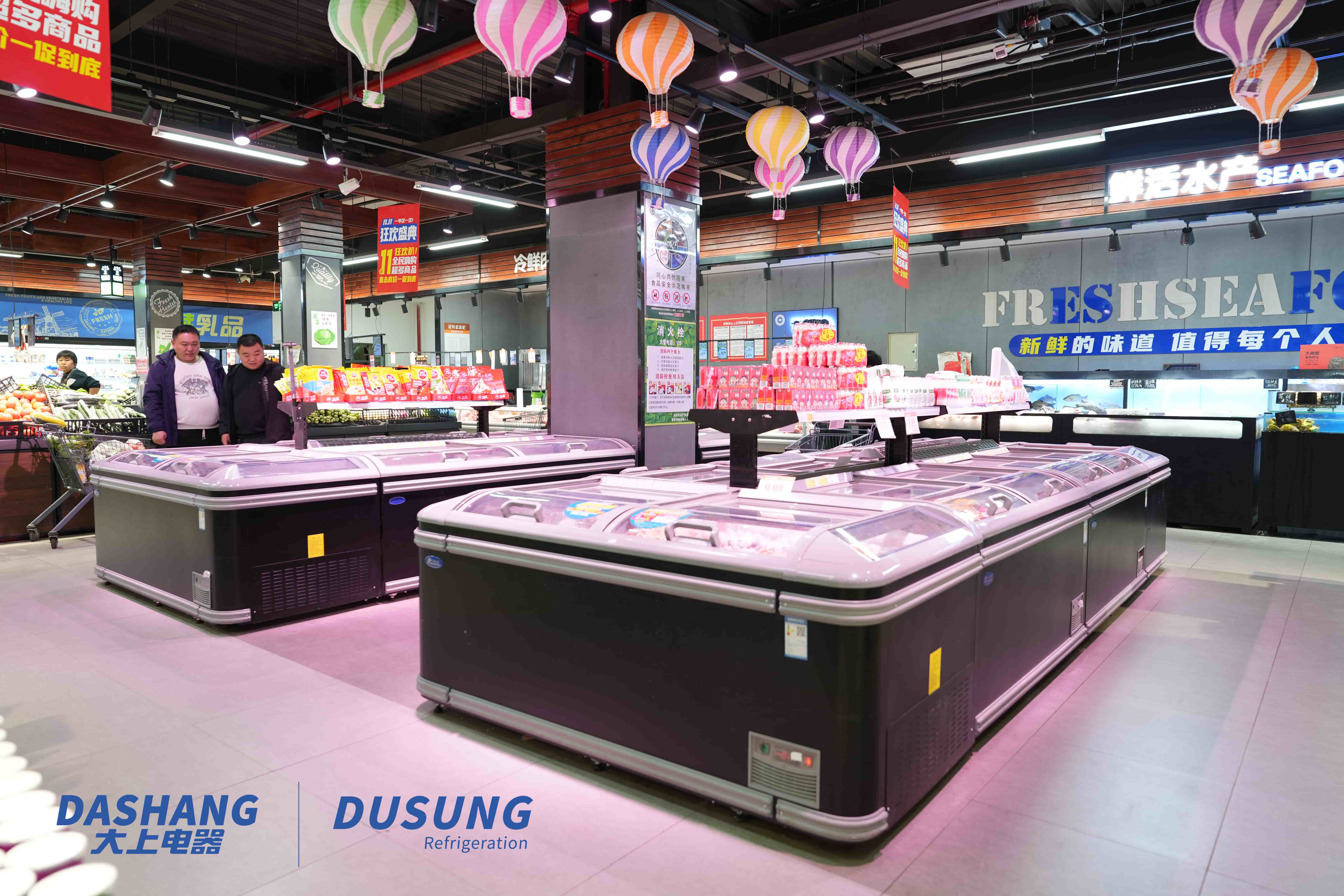
An island freezer is a freestanding, low-profile freezer unit typically positioned in the center of a retail or commercial space, allowing 360-degree access. Unlike traditional wall-mounted freezers, island freezers optimize product visibility and accessibility, making them ideal for impulse purchases, bulk storage, and high-turnover frozen goods.
For B2B buyers, investing in the right island freezer is not just about storage—it’s about enhancing customer experience, minimizing energy costs, and supporting inventory management strategies. These freezers are commonly used in supermarkets, wholesale warehouses, convenience stores, and industrial kitchens where both capacity and product rotation efficiency are critical.
Key Features of Modern Island Freezers
Choosing the right island freezer involves understanding the features that directly impact performance and ROI. Modern units typically offer:
● Energy-efficient refrigeration systems – Advanced compressors and insulation reduce electricity consumption, meeting sustainability goals while lowering operational costs.
● Adjustable shelving and dividers – Modular interiors allow customization for different product types, from frozen vegetables to pre-packaged meals.
● Glass or solid lids – Transparent sliding or hinged lids improve visibility for customers, while solid lids provide better temperature retention.
● Digital temperature controls – Precise temperature regulation ensures product safety and consistency.
● Durable construction – High-quality materials resist corrosion and wear in high-traffic commercial environments.
Benefits of Island Freezers for B2B Operations
Investing in island freezers offers several operational and financial advantages for businesses:
● Improved Product Visibility – Open-access design allows customers to quickly locate products, boosting sales for high-demand items.
● Optimized Space Utilization – Central placement maximizes available floor space, allowing for efficient traffic flow in stores and kitchens.
● Energy Savings – Modern freezers often incorporate energy-saving features such as LED lighting, low-temperature glass, and smart compressors.
● Enhanced Inventory Management – Easy access from all sides reduces handling time, prevents product damage, and supports better stock rotation practices.
● Versatility – Suitable for a variety of frozen goods, from seafood and ice cream to ready-to-eat meals, enabling flexible merchandising strategies.
Selecting the Right Island Freezer
When choosing an island freezer for commercial purposes, B2B buyers should consider multiple factors:
● Capacity Needs – Assess the volume of products to store and select a freezer size that accommodates peak inventory levels without overcrowding.
● Energy Efficiency Ratings – Look for units certified for energy efficiency, which reduce long-term operational costs.
● Accessibility Requirements – Consider door types, height, and reach to ensure staff can easily restock and customers can easily browse.
● Maintenance and Service – Choose units with accessible components for easy cleaning and servicing, minimizing downtime.
● Brand Reputation and Warranty – Partner with manufacturers known for reliability, strong after-sales support, and long-term warranty coverage.
Installation and Operational Best Practices
To maximize performance and lifespan, proper installation and operational practices are essential:
● Location Matters – Avoid placing freezers near heat sources or in direct sunlight, as this increases energy consumption.
● Regular Cleaning – Keep both interior and exterior surfaces clean to maintain hygiene and prevent frost buildup.
● Monitor Temperature Consistently – Use digital monitoring systems to ensure the unit maintains consistent temperature across all zones.
● Staff Training – Train employees on proper stocking, handling, and lid management to prevent temperature fluctuations and energy loss.
Summary
Island freezers are more than just storage units—they are strategic assets that influence sales, operational efficiency, and energy consumption. For B2B buyers in retail, hospitality, and industrial foodservice, selecting the right island freezer can improve product visibility, streamline inventory management, and reduce long-term costs. By understanding features, benefits, and best practices, businesses can make informed decisions that enhance both operational efficiency and customer satisfaction.
FAQ
Q1: What types of products are best stored in island freezers?
Island freezers are ideal for high-turnover frozen goods such as seafood, ice cream, frozen meals, and bulk vegetables.
Q2: How can businesses reduce energy costs when using island freezers?
Choosing energy-efficient models, proper placement away from heat sources, and consistent temperature monitoring can significantly lower energy consumption.
Q3: Are island freezers suitable for small retail spaces?
Yes, compact models are available for smaller stores, but buyers should consider space planning to ensure proper traffic flow and accessibility.
Q4: What maintenance is required for long-term operation?
Regular cleaning, defrosting, temperature checks, and routine inspection of compressors and seals help maintain efficiency and prolong the unit’s lifespan.
Post time: Jan-14-2026


