
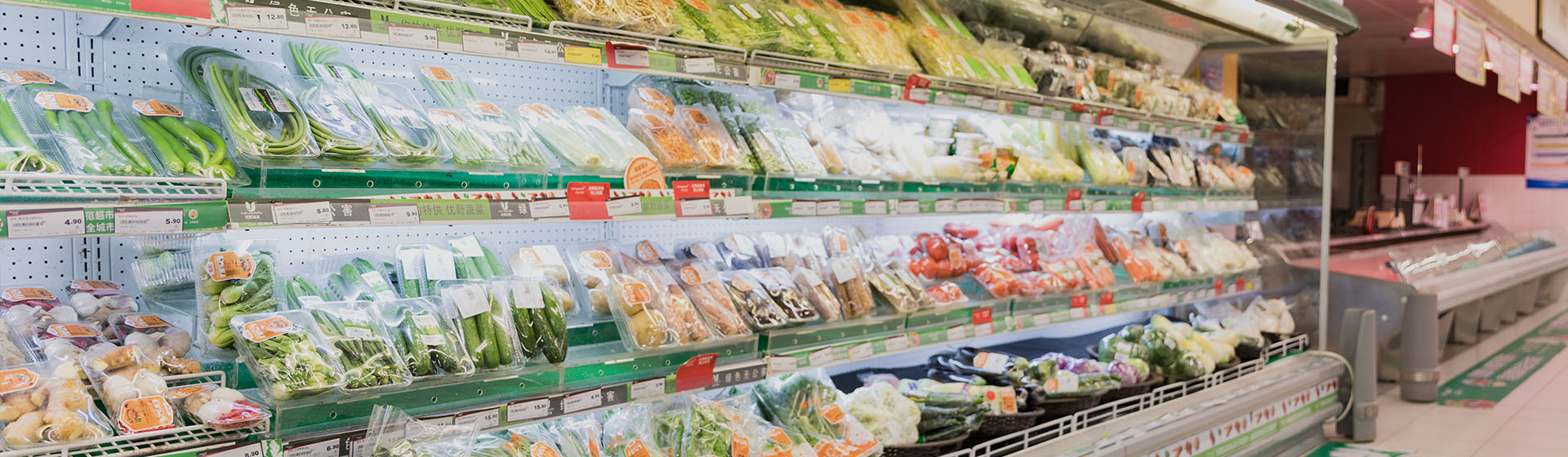
An Island Freezer is often a central part of a supermarket’s frozen food area. It gives customers access to packaged frozen products while providing retailers with practical display and storage space. However, a cabinet that once suited a store may become less useful as product ranges expand, sales patterns change, or the store layout is updated. Replacement is not always the answer. Some issues can be resolved by reorganizing products or arranging maintenance. Others, such as insufficient usable capacity, unsuitable access, recurring faults, or a cabinet that no longer fits the department, may justify an upgrade.
Identify When the Existing Freezer No Longer Meets Store Needs
The age of a freezer alone is not a reliable reason to replace it. Its condition and suitability for current operations matter more. Observe how it performs during busy periods, when customers are selecting products and employees are replenishing stock.
| Existing situation | Possible impact | What to check |
|---|---|---|
| Products are consistently crowded | Items become difficult to identify or reach | Usable display area and stock levels |
| Product categories have changed | Packages no longer fit the original arrangement | Package dimensions and internal layout |
| Customers struggle to access products | Shopping becomes less convenient | Lid design and cabinet position |
| Faults or maintenance needs recur | Daily operation may be interrupted | Service history and equipment condition |
| The cabinet conflicts with the current layout | Aisles or staff access may be restricted | Cabinet dimensions and surrounding clearance |
These signs need context. A crowded cabinet may result from excessive stock or poor merchandising rather than insufficient capacity. Difficult access may come from the unit’s position, not the sliding lid itself.
Before replacing an Island Freezer, determine whether the issue can be solved through better organization, maintenance, or a change in cabinet configuration.
Reassess the Freezer When the Product Range Changes
A freezer originally used for a narrow selection of frozen vegetables may later need to display meat, seafood, ready meals, ice cream, and other packaged products. The new range may include larger cartons, small individual packs, or products with irregular shapes. A layout designed for the original assortment may no longer use the available space effectively.
Consider how the products will be arranged and replenished:
- Large packages: Family-size meals or frozen meat packs need enough room to be placed and removed without excessive stacking.
- Small products: Ice cream and frozen snacks may need baskets or clear sections so that different items do not become mixed.
- Different package shapes: Irregular packs can leave unused gaps if the cabinet’s internal arrangement does not suit them.
- Fast-selling items: Frequently purchased products should be easy to reach and replenish without moving several other packages.
The goal is not to fit the maximum number of packages into the cabinet. Overloading can make products harder to identify and handle. Retailers should compare actual package sizes and the product mix with the usable display area before deciding whether a different Island Freezer is needed.
Select Capacity Based on Stock and Display Needs
When a cabinet feels too small, choosing the largest available model may seem straightforward. Yet a larger freezer also takes up more floor space, and its extra capacity is useful only if the store can fill and manage it appropriately.
Three questions help establish the right size. First, how many product categories must be displayed at the same time? A store selling several types of frozen food may need clearer separation than one displaying a limited range. Second, how quickly do products sell? Fast-moving items may need more accessible display space and regular replenishment, while slower-selling products should not occupy excessive prime space. Third, how much room can the store allocate without narrowing customer routes or interfering with nearby displays?
| Store requirement | Selection priority |
|---|---|
| Broad product assortment | Usable display area and product separation |
| Frequent replenishment | Convenient access and practical loading |
| Limited floor space | Cabinet footprint and aisle clearance |
| Mixed package sizes | Internal layout suited to the product range |
Capacity should be judged by usable display space, not just external dimensions or a headline volume figure. A well-matched Island Freezer balances product capacity, customer access, and the space available in the store.
Check Whether the Sliding Lid Design Still Works
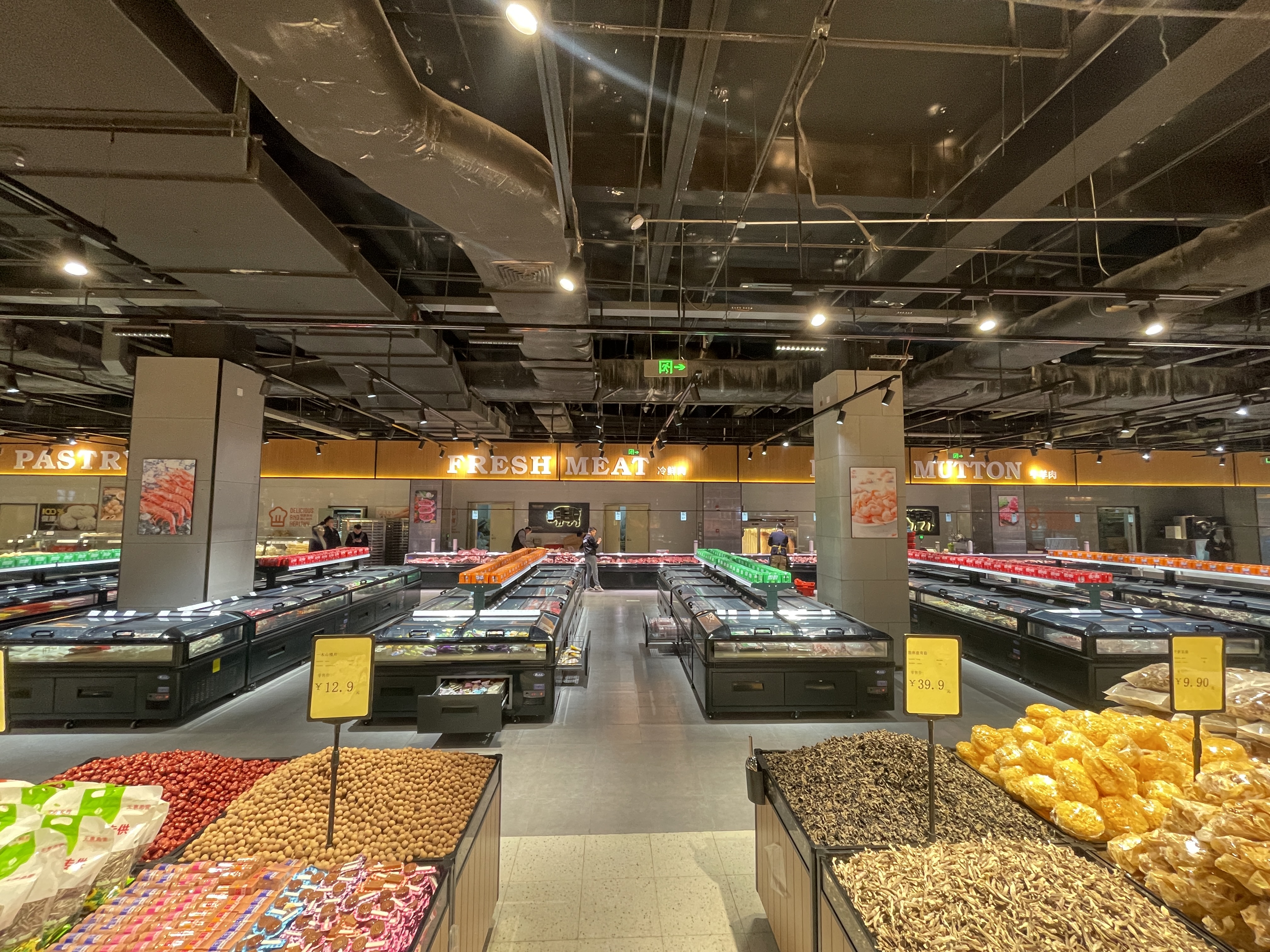
The lid arrangement affects how customers browse products and how employees restock the cabinet. Sliding glass lids are common because they provide product visibility without outward-swinging doors that can obstruct an aisle. However, different opening arrangements may suit different store layouts.
When comparing designs, consider whether customers can open the lid without blocking nearby shoppers, whether employees can replenish products conveniently, and whether the glass can be cleaned easily. Also check the clearance needed for the lid to move fully.
A freezer positioned in a narrow aisle may require a different access arrangement from one placed in a spacious frozen food area. Do not choose a lid style based on appearance alone. Compare the opening area, handle position, customer approach, and staff workflow with the way the department operates.
Confirm Installation Conditions Before Ordering
A replacement must fit the intended space and work with the store’s surrounding layout. The footprint of the old unit is a useful reference, but a new model may have different dimensions or service clearances.
Before ordering, retailers should:
- Measure the available length, width, and height, including the space required for access and maintenance.
- Check customer circulation so the cabinet does not narrow aisles or obstruct nearby products.
- Confirm that employees can replenish, clean, and inspect the unit conveniently.
- Verify electrical connections, ventilation, and other installation requirements with the equipment supplier.
- Check entrances, corridors, and delivery routes to ensure the cabinet can reach its final position.
These checks reduce the risk of discovering installation problems after delivery. They also help retailers compare models on practical suitability rather than appearance or advertised capacity alone.
Decide Whether Repair or Replacement Makes More Sense
Not every problem calls for a new freezer. Repair may be appropriate when the issue is limited, the cabinet remains suitable for the product range, and its overall condition is sound. Replacement deserves consideration when faults recur, the display arrangement no longer works, or the equipment cannot support current operating needs.
Review the service history, the nature of the fault, the expected repair cost, and the likely future use of the cabinet. If a professional inspection identifies a repairable component, maintenance may extend the unit’s service life. If the cabinet repeatedly disrupts operations or remains unsuitable after adjustments, replacing it may be more practical over the longer term.
The decision should include more than the purchase price. Consider the disruption caused by repeated repairs, the usefulness of the existing display area, and whether a new configuration would solve the problems staff and customers currently experience.
Match the Replacement Island Freezer to the Store
Once the reason for upgrading is clear, compare models according to the product range, installation area, access preference, and daily workflow. Dusung Refrigeration offers several Island Freezer configurations for retail applications, including classic models with left-and-right sliding doors, classic models with up-and-down sliding doors, and transparent island freezer designs.
These configurations provide different approaches to product visibility and customer access. Retailers can prepare the dimensions of the installation area, product categories and package sizes, required display capacity, preferred lid arrangement, and replenishment needs before discussing a suitable model.
This information makes it easier to assess cabinet dimensions and configuration without relying on appearance alone. The right choice is not necessarily the largest or most feature-rich unit. It is the model that addresses the reason for replacement, accommodates the store’s products, and fits the available space and operating routine.
Conclusion
An Island Freezer should be replaced or upgraded when its capacity, access, condition, or configuration no longer supports the store’s needs. Changes in product range, recurring maintenance problems, and layout restrictions are useful signals, but each should be assessed before a decision is made. By reviewing the existing unit, confirming installation conditions, and comparing cabinet configurations, retailers can choose equipment that supports product display and everyday operation without paying for capacity or features they do not need.
FAQ
1. Does an older island freezer always need to be replaced?
No. If it remains in good condition and meets the store’s current needs, maintenance or improved product organization may be sufficient. Age should be considered alongside performance and service history.
2. Should I choose a larger freezer if products are crowded?
Not automatically. Check stock levels, package arrangement, and usable display space first. A larger cabinet is worthwhile only if the store needs and can use the additional capacity.
3. What should I compare when choosing sliding lids?
Compare the opening area, customer access, handle position, cleaning convenience, and clearance around the cabinet. The design should suit the aisle width and replenishment routine.
4. What information helps when requesting a replacement model?
Prepare the installation measurements, product categories, package sizes, desired display capacity, and preferred lid arrangement. Photos of the existing location can also help clarify the space and access conditions.
Post time: Nov-16-2026


