
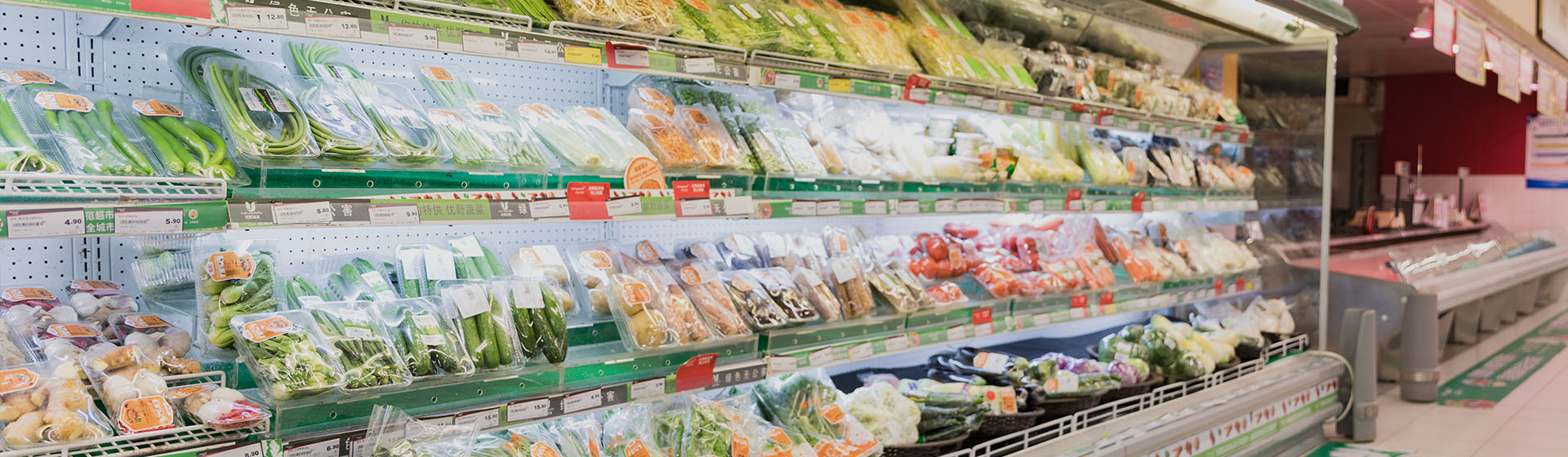
Choosing between an island freezer and an upright freezer involves more than comparing cabinet dimensions. Both are designed to store frozen products, but their structures create different display experiences, access methods, and space requirements. Island freezers arrange products horizontally beneath a top opening, while upright freezers use vertical shelves behind front-facing doors.
For supermarkets and convenience stores, the right option depends on the product range, how customers shop, and how the frozen food section is arranged. Comparing these practical differences helps stores select equipment that supports product visibility, convenient replenishment, and reliable frozen storage.
Understand the Difference in Display Structure
An island freezer has a horizontal cabinet structure, commonly with sliding glass lids. Products are stored below the opening and viewed from above. This format is often used for grouped frozen foods, including packaged meat, seafood, vegetables, and assorted frozen products. Its broad display area can accommodate multiple packages within one cabinet.
An upright freezer has a vertical structure with shelves behind front-facing doors. Products are arranged at different heights, making individual packages easier to separate by category. Glass-door models also allow customers to view products before opening the cabinet.
The key distinction is how each design organizes products and allows customers to access them. Island freezers create a shared display area, while upright models provide separate shelf sections.
Compare Product Visibility and Customer Access
Product visibility influences how quickly customers can identify items and compare available choices. In an island freezer, shoppers look down through the lid to view products arranged inside. This works well when packages are grouped by type, but products at the bottom or underneath other items may be harder to see. Internal baskets or dividers, when included, can help keep different categories organized.
A Glass Door Upright Freezer provides a front-facing view, allowing products to be arranged across several shelves. Products can be arranged across several shelves, making it easier to distinguish brands, package sizes, and product categories. Adjustable shelves, where available, can accommodate different package heights and help maintain a clear display.
Access is also different. Island freezers require users to open a lid and reach downward. This can be practical for products stored in grouped sections, but retrieving items from the bottom may require moving other packages. Upright models provide access through front doors, allowing customers to select products from individual shelves. However, the doors need enough clearance to open without obstructing nearby aisles.
Consider package weight, shopping patterns, and how frequently products are accessed when assessing convenience.
Match the Freezer to the Product Range
The products being displayed should guide the choice of cabinet. An island freezer can work well when a store sells a broad range of packaged frozen foods that can be grouped in a shared horizontal space. It is useful for displaying several varieties together, particularly when packages have similar storage and handling requirements.
An upright freezer may be more suitable when products need distinct shelf-level organization. Boxed meals, packaged desserts, ice cream, and products with different package sizes can benefit from vertical separation. Staff can assign shelves to particular categories, making stock checks and replenishment more straightforward.
Review package dimensions, product weight, product variety, and whether items are purchased individually or in larger quantities. A cabinet that looks spacious when empty may be difficult to organize once packages of different shapes and sizes are loaded.
The objective is to select a display format that accommodates the actual product range without hiding items, restricting access, or creating unnecessary handling.
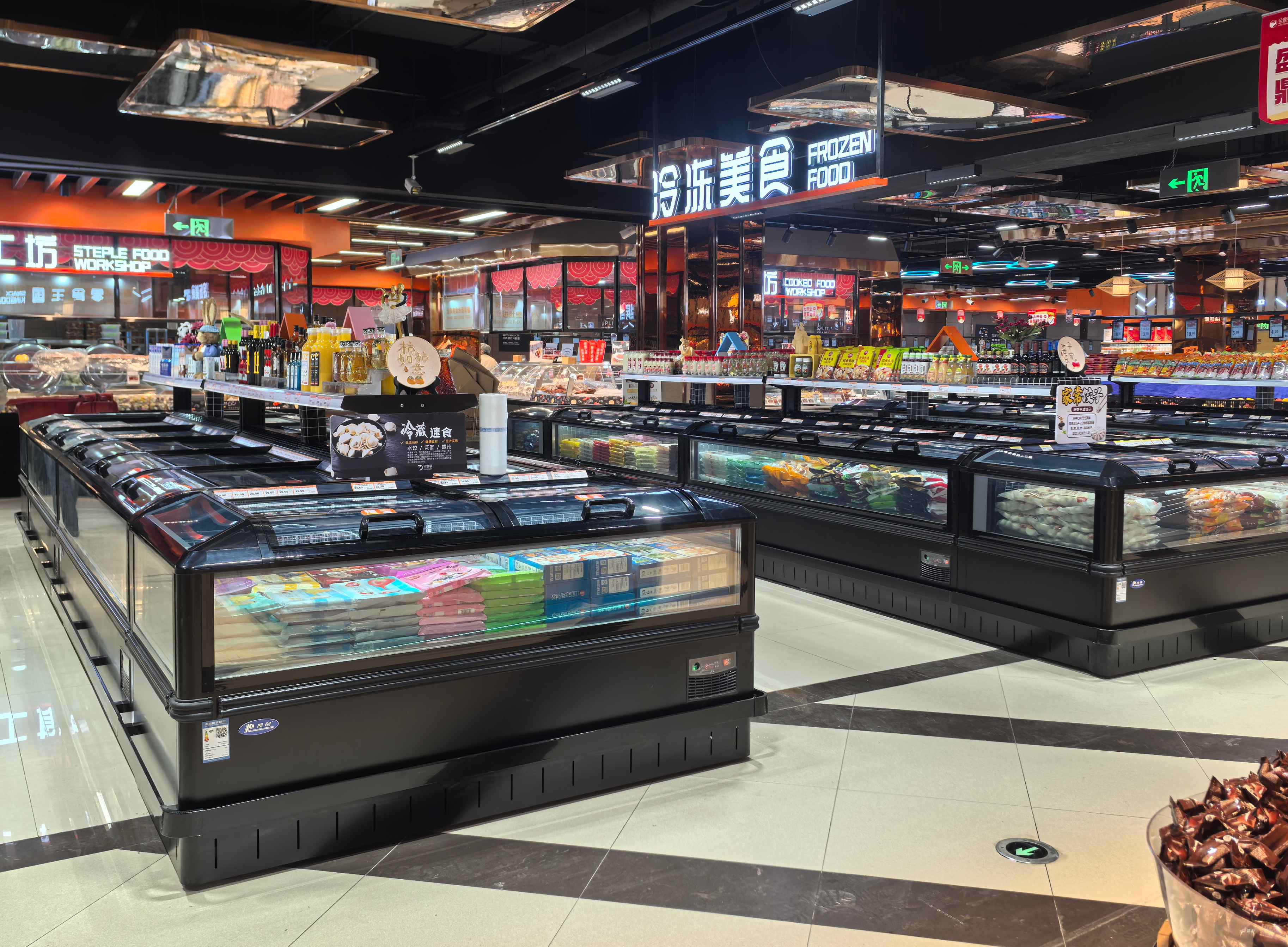
Evaluate Floor Space and Store Layout
Island and upright freezers use floor space differently. An island freezer occupies a horizontal footprint and generally needs accessible space around its sides. It can create a clearly defined frozen food area, but customers need enough room to approach the cabinet, open its lids, and move past other shoppers.
An upright freezer uses a smaller floor footprint relative to its vertical display area, which may be useful when wall or perimeter space is available. However, its doors require opening clearance, and the cabinet should not narrow customer aisles or obstruct nearby displays.
Planning should go beyond external dimensions. Check aisle width, door or lid movement, nearby shelving, customer circulation, utility connections, and the ventilation clearances specified for the equipment.
A cabinet may fit physically but still create congestion or maintenance difficulties. Reviewing the full installation area before ordering can prevent avoidable layout changes.
Compare Restocking and Inventory Management
Restocking affects staff workload and the condition of the display. Island freezers are replenished from above. This can be convenient for grouped products, but items at the bottom may need to be moved before older stock can be reached. Internal baskets or dividers can make categories easier to manage, while a clear rotation process helps prevent products from remaining unnoticed.
Upright freezers allow staff to replenish individual shelves through front doors. Products can be arranged by category or package size, making shelf-level stock checks easier. Staff should avoid leaving doors open longer than necessary, since warm air can enter the cabinet during replenishment.
For both formats, staff should check existing inventory before adding new products, rotate stock according to use-by dates where appropriate, and avoid overloading the cabinet. Products should not block designed airflow paths or exceed the recommended loading arrangement.
Consider Cooling, Installation, and Maintenance
Both freezer formats must maintain the temperature conditions required by the products they store. Before selecting equipment, review its specified temperature range, refrigeration configuration, expected ambient conditions, and maintenance requirements. Do not assume that one cabinet format is automatically more energy-efficient or provides better cooling; performance depends on the actual design, model, installation, and operating conditions.
For island freezers, inspect the sliding lids, glass surfaces, and seals for proper condition and smooth operation. The defrosting arrangement and drainage requirements should also be understood before installation. Ice accumulation should be managed according to the equipment instructions because excessive buildup can affect access and visibility.
For upright freezers, door gaskets, hinges, and closing mechanisms need regular attention. A door that does not close correctly may allow unwanted warm air to enter. Shelves and interior surfaces should be cleaned routinely, and ventilation and condenser areas should be maintained according to the manufacturer’s guidance.
Both types need adequate ventilation, suitable clearance, a stable electrical supply, and accessible maintenance areas.
Which Freezer Format Fits the Store?
The following comparison summarizes the main differences:
| Decision factor | Island freezer | Upright freezer |
|---|---|---|
| Display direction | Horizontal, viewed from above | Vertical, viewed from the front |
| Product organization | Grouped products in a shared cabinet | Shelf-based category separation |
| Access | Top-opening lid | Front-opening door |
| Space planning | Needs accessible space around the cabinet | Needs door clearance and suitable vertical space |
| Restocking | Replenished from above | Replenished shelf by shelf |
| Display priority | Broad presentation of grouped frozen foods | Clearer presentation of individual product categories |
An island freezer is worth considering when the store needs a broad horizontal display for grouped frozen products. An upright freezer may be a better fit when shelf organization, front-facing visibility, and vertical use of space are more important.
Some stores may use both formats: an island freezer for grouped products and an upright model for items needing separate shelves. This combination should reflect product demand, available space, and customer access.
For supermarkets planning a new frozen food section or upgrading existing equipment, Dusung offers classic island freezers with sliding glass doors and glass-door upright freezer options, including plug-in and remote configurations. The suitable choice depends on product range, display format, installation dimensions, and refrigeration arrangement. Sharing these details helps identify relevant equipment options.
Conclusion
Island and upright freezers serve different display and operating requirements. Island models provide horizontal, grouped presentation, while upright models offer vertical shelving and front-facing access. Product packaging, shopping behavior, floor layout, restocking practices, and maintenance conditions should all be considered before selecting a format. Matching the cabinet to the store’s frozen food range helps create a practical display and supports dependable daily operation.
FAQs
1. Is an island freezer suitable for bulk frozen food displays?
It can be suitable because its horizontal layout provides a broad area for grouped products. The final choice depends on package sizes, internal organization, and how customers access the products.
2. Are upright freezers easier to organize?
They can make category separation easier because products are arranged on individual shelves. Adjustable shelves, where available, also help accommodate different package sizes.
3. Can island and upright freezers be used in the same supermarket?
Yes. They can serve different product categories in one frozen food section. Their placement should account for customer access, available floor space, and product demand.
4. What should be checked before purchasing a commercial freezer?
Review the required temperature range, cabinet dimensions, display format, usable capacity, installation conditions, refrigeration configuration, and maintenance access before selecting a model.
Post time: Nov-24-2026


