
Ice cream can look perfectly acceptable when first placed in a display freezer, yet develop noticeable texture changes after several hours or days. Some products become unusually hard, others develop ice crystals, and certain surfaces may soften before becoming firm again. These changes can affect serving quality, customer experience, and the consistency of the products offered in a retail setting. Temperature fluctuations, moisture migration, repeated exposure to warmer air, and the condition of the refrigeration system can all influence frozen desserts. A suitable Ice Cream Display Freezer should provide stable storage conditions while supporting frequent product access and organized presentation.
How Ice Cream Texture Changes During Display
Ice cream contains a combination of ice crystals, air, fat, water, and dissolved sugars. Its texture depends partly on how these components are distributed and how the frozen structure is maintained. When storage conditions change, the balance can be affected even if the product remains visibly frozen.
Excessive hardness is one common complaint. Ice cream may become difficult to scoop when its temperature is too low for the intended serving conditions or when its formulation naturally produces a firmer product. However, hardness alone does not prove that the display freezer is malfunctioning. Different recipes and product types respond differently to the same temperature. Another noticeable change is the appearance of coarse ice crystals. Instead of a smooth, creamy texture, the product may feel icy or grainy in the mouth. This can occur when existing ice crystals grow during temperature fluctuations, a process commonly associated with recrystallization. Moisture can also migrate between different parts of the product, contributing to uneven texture.
Surface softening presents a different problem. Ice cream near an exposed surface may begin to soften when warmer air enters the display area or when the refrigeration system struggles to maintain consistent conditions. If the product subsequently freezes again, its original texture may not be fully restored. These symptoms should be considered together with the product’s formulation, storage history, and handling practices. A properly selected Ice Cream Display Freezer helps maintain suitable frozen conditions, but the final texture also depends on how the product is manufactured, transported, stored, and served.
Why Temperature Fluctuations Affect Ice Crystal Structure
Ice cream does not need to melt completely for its texture to deteriorate. Repeated temperature changes can allow some ice crystals to melt partially and then refreeze. During this process, smaller crystals may disappear while larger ones grow, creating a coarser structure. Short periods of warmer conditions may not cause an obvious immediate change, but repeated fluctuations can have a cumulative effect. The problem becomes more noticeable when ice cream is stored for extended periods or exposed to inconsistent conditions during handling.
Temperature stability depends on both the refrigeration system and the way the display equipment is used. Frequent opening of doors or lids, large quantities of newly loaded products, blocked air passages, and excessive heat from the surrounding environment can increase the cooling demand. If the equipment cannot recover efficiently, the temperature may vary more than expected.
Retailers should also distinguish between the temperature of the cabinet air and the temperature of the ice cream itself. Air temperature can change rapidly when a lid opens, while the product responds more slowly. A single air reading may therefore fail to show the full storage history. Monitoring trends and following the equipment’s recommended operating procedures provide a more useful picture of performance. The purpose of an Ice Cream Display Freezer is to maintain appropriate frozen storage conditions throughout normal operation.
What Different Texture Problems Can Reveal
- Ice crystals or a grainy mouthfeel: These may indicate temperature fluctuations, recrystallization, or moisture movement within the product. Compare affected containers with products stored under similar conditions before drawing conclusions.
- Unexpectedly soft surfaces: These may be associated with warm-air exposure, frequent opening, uneven cooling, or products positioned in a warmer area of the display.
- Excessive hardness: This can result from a low product temperature, recipe differences, or a serving environment that does not match the product’s intended conditions.
- Uneven texture within one container: This may reflect differences in exposure, partial melting and refreezing, or the way the product was handled before reaching the display.
- Repeated changes across several product types: These warrant a broader review of operating conditions, temperature monitoring, loading practices, and refrigeration performance.
The location and timing of a problem matter. If products near one section consistently show more damage than comparable items elsewhere, the cabinet’s temperature distribution and airflow arrangement deserve attention. If all products change in a similar way, the cause may involve the overall operating environment or handling procedures. A Ice Cream Display Freezer should be evaluated according to its intended use and the requirements of the products it holds.
How Display Design Influences Product Consistency
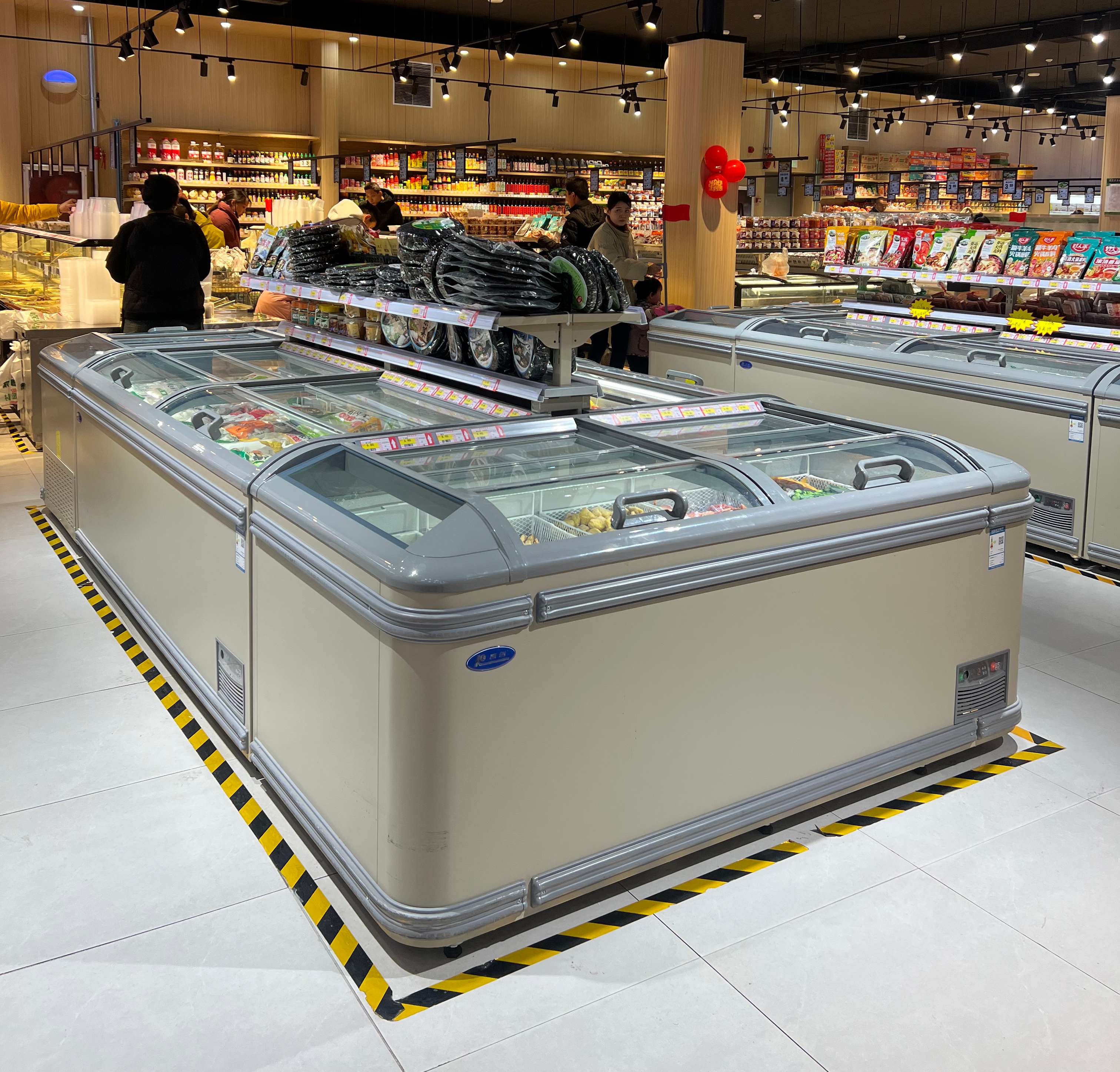
When containers are crowded together or stacked in unsuitable positions, staff may obstruct designed airflow paths or make frequently selected products harder to reach. This can lengthen the time lids remain open and make restocking less efficient. A display that is difficult to organize can therefore contribute indirectly to inconsistent operating conditions. The type of opening also affects everyday use. A lid or door that is repeatedly opened can allow warmer ambient air to enter, although the actual impact depends on the equipment design and operating environment. For busy locations, convenient access and a layout that supports quick product selection can help reduce unnecessary exposure.
When evaluating an Ice Cream Display Freezer, consider the range of container sizes, the number of flavors displayed at one time, the expected frequency of customer access, and the space needed for replenishment. Display capacity should also reflect actual operating needs. Filling every available space may increase nominal product capacity but make temperature management, cleaning, and stock rotation more difficult.
Daily Operating Practices That Help Preserve Texture
- Check temperatures consistently: Follow the equipment’s instructions and applicable food-safety requirements. Review readings over time instead of relying on a single observation.
- Avoid obstructing airflow: Arrange containers so that designed air passages remain clear, and follow the recommended loading limits.
- Reduce unnecessary opening time: Organize products logically so staff can retrieve and replenish them efficiently.
- Manage replenishment carefully: Follow appropriate procedures when adding new stock, and avoid placing products in ways that interfere with cooling.
- Inspect seals and operating conditions: Damaged seals, unusual noise, persistent frost accumulation, or inconsistent cooling may warrant further investigation.
- Maintain suitable cleaning routines: Remove spills and residue according to the manufacturer’s instructions without disrupting essential components.
These practices do not eliminate every possible texture change, because product formulation and previous storage conditions also matter. They do, however, make it easier to distinguish normal differences between products from recurring problems associated with display conditions. If the freezer repeatedly fails to maintain the required temperature, or if products show signs of partial melting and refreezing, staff should follow established food-safety procedures. Products that may have been stored outside safe conditions should not be judged solely by appearance or texture.
Choosing an Ice Cream Display Freezer for Retail Needs
Important considerations include the intended temperature range, display capacity, access design, internal arrangement, and ease of routine maintenance. A cabinet designed for a high-volume store may have different space and access requirements from one used in a small dessert shop. The best configuration depends on how many products are displayed, how frequently customers or staff access them, and how the available floor space is organized. Clear visibility is useful, but it should not come at the expense of appropriate frozen storage conditions. Commercial refrigeration specialists such as Dashang Global offer solutions for different retail display requirements. Comparing equipment configurations against the store’s product range, service patterns, and available space can help identify an option that supports both product presentation and everyday operation.
Conclusion
Ice cream texture changes can reveal important information about storage conditions, temperature stability, product formulation, and daily handling. Ice crystals, surface softening, excessive hardness, and uneven texture do not all indicate the same problem, so their causes should be assessed carefully. By combining suitable equipment with consistent operating practices, retailers can better maintain product quality and provide a more reliable display experience.
FAQ
1. Can ice cream develop ice crystals while remaining frozen?
Yes. Temperature fluctuations can cause existing ice crystals to change size without the entire product melting. Over time, this may produce a coarser texture.
2. Does a harder ice cream always indicate a freezer problem?
No. Hardness can depend on formulation, product temperature, and serving conditions. The product’s specifications and storage history should be considered before adjusting the equipment.
3. Why does ice cream near the top of a container sometimes change texture first?
The exposed surface may experience greater temperature variation or moisture exchange than the interior. Packaging, display conditions, and handling can all contribute.
4. When should a display freezer receive professional inspection?
An inspection may be appropriate when temperatures remain inconsistent, cooling performance declines, unusual operating behavior appears, or recurring product changes suggest a possible equipment problem.
Post time: Oct-26-2026


