
Choosing the right fresh food storage cabinet is a key decision for any business that handles perishable goods. Whether you operate a supermarket, restaurant, hotel kitchen, bakery, or catering service, the quality of your refrigeration equipment directly impacts food freshness, safety, waste control, and operating costs. A well-chosen cabinet not only preserves food longer but also improves workflow efficiency and customer satisfaction.
This guide explains how to choose a fresh food storage cabinet from a practical commercial perspective, helping you make a more informed and cost-effective decision.
Why Fresh Food Storage Cabinet Is Important
A fresh food storage cabinet is designed to maintain a stable, low-temperature environment for perishable food items such as vegetables, fruits, dairy products, meat, seafood, and ready-to-eat meals. Unlike standard refrigerators, commercial cabinets are built for continuous operation and frequent access.
For businesses, the benefits are significant. It helps extend shelf life, reduce spoilage, maintain consistent product quality, and comply with food safety standards. Over time, a reliable cabinet can reduce operating losses and improve overall profitability.
1. Understand Your Business Needs First
Before choosing any model, clearly define your application scenario. Different industries require different configurations.
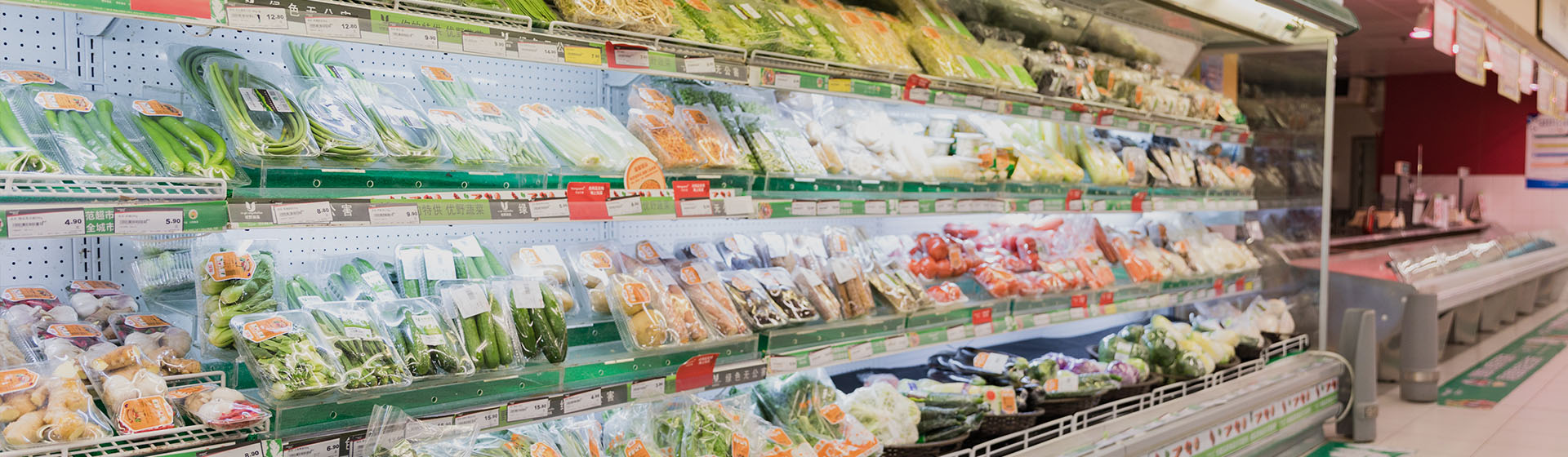
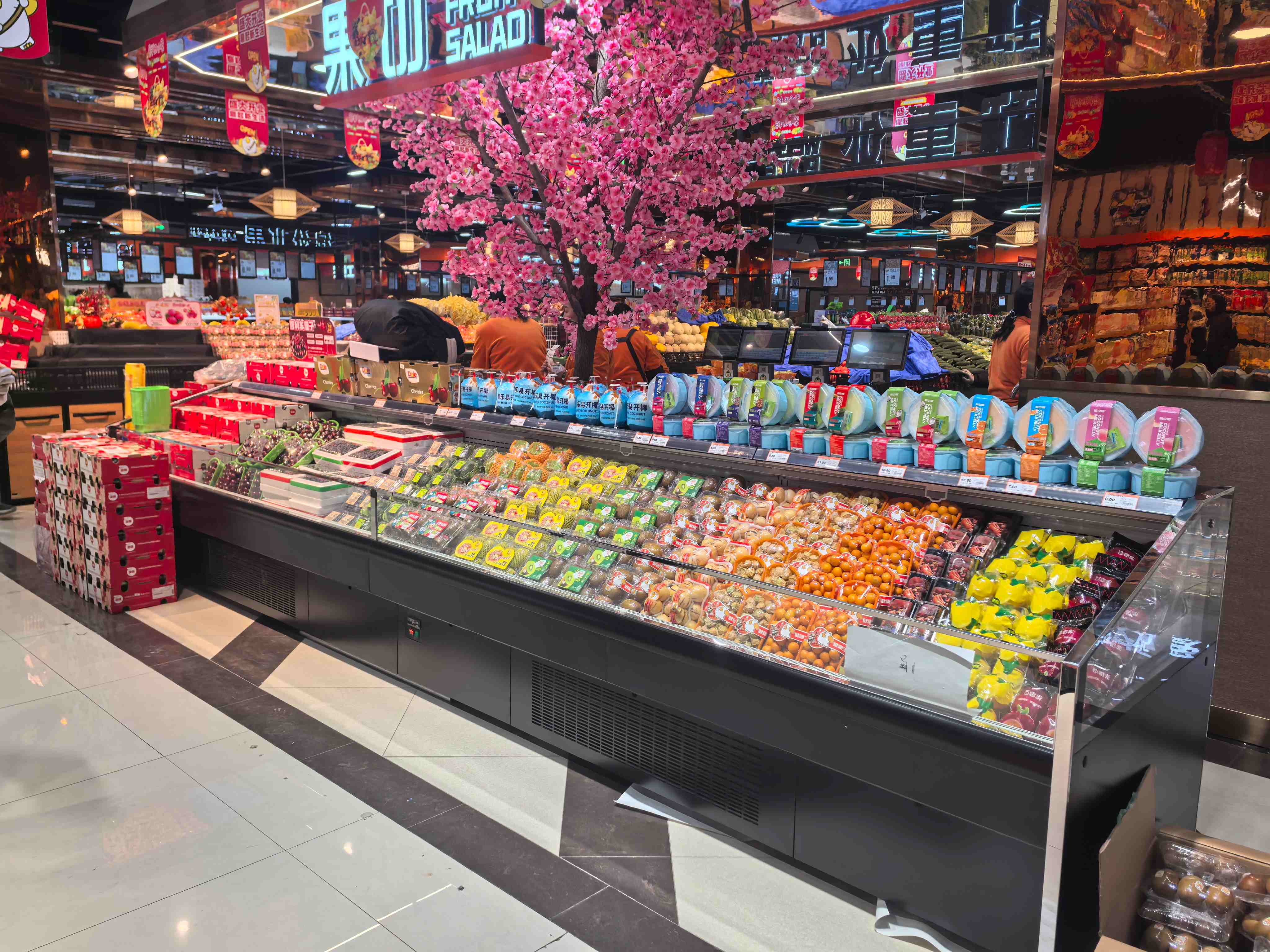
For supermarkets and retail stores, glass door display cabinets are often preferred because they allow customers to see products clearly, increasing sales potential. These environments also require strong cooling stability due to frequent door opening.
For restaurants and commercial kitchens, stainless steel cabinets are more suitable because they are durable, easy to clean, and designed for hygiene-focused environments.
Hotels and catering businesses usually need larger capacity systems with flexible temperature zones to handle diverse food categories.
Bakery and deli shops may require humidity control features to maintain texture and freshness of baked goods and prepared foods.
Understanding your use case helps avoid unnecessary features while ensuring you don’t miss critical functions.
2. Pay Attention to Temperature Control Performance
Temperature control is the core function of any fresh food storage cabinet. A good system should maintain a stable temperature range, typically between 0°C and 10°C, depending on food type.
Look for cabinets with digital temperature control systems that allow precise adjustments. Stability is more important than extreme cooling power, especially in commercial environments where doors open frequently.
Rapid cooling recovery is also important. When products are added or removed, the cabinet should quickly return to the set temperature without fluctuation, ensuring food safety and consistency.
3. Evaluate Storage Capacity and Internal Design
Capacity should be based on daily business volume rather than just physical space availability. Oversized units waste energy, while undersized units disrupt workflow.
Flexible shelving is an important feature. Adjustable racks allow you to store different food types efficiently, from packaged goods to large containers.
Some advanced models offer zoned storage layouts, which help separate raw and cooked foods or different categories like dairy, meat, and vegetables. This reduces contamination risk and improves organization.
A well-structured interior layout can significantly improve operational efficiency in busy commercial kitchens.
4. Focus on Energy Efficiency
Energy consumption is one of the biggest long-term costs in refrigeration equipment. An energy-efficient fresh food storage cabinet can significantly reduce electricity bills over time.
Key energy-saving features include high-efficiency compressors, thick insulation layers, LED lighting, and smart temperature control systems. Some models also use eco-friendly refrigerants that improve performance while reducing environmental impact.
Although energy-efficient models may cost more initially, they usually offer better long-term return on investment due to lower operating costs.
5. Check Material Quality and Durability
Commercial refrigeration equipment must operate continuously, often 24/7. This makes build quality extremely important.
Stainless steel interiors are highly recommended because they are resistant to corrosion, easy to clean, and suitable for food safety environments. Reinforced glass doors are ideal for display units, providing visibility while maintaining insulation performance.
Strong shelving systems and anti-rust coatings also contribute to longer service life and lower maintenance requirements.
6. Cooling System and Air Circulation Design
Cooling technology directly affects how evenly temperature is distributed inside the cabinet. Uneven cooling can cause food spoilage even when the overall temperature seems correct.
Fan-assisted cooling systems are widely used in commercial environments because they provide consistent airflow and prevent hot spots. Direct cooling systems are simpler and may be used in smaller or budget-focused applications, but they are less uniform.
Good air circulation ensures that every shelf maintains the same temperature level, which is essential for food safety.
7. Hygiene and Food Safety Features
Food hygiene is a critical factor in any food-related business. A good fresh food storage cabinet should be designed for easy cleaning and contamination prevention.
Smooth interior surfaces help reduce dirt buildup. Removable shelves make cleaning easier and more thorough. Some models include antibacterial coatings or condensation drainage systems that prevent moisture accumulation.
These features help businesses comply with food safety regulations and reduce operational risks.
8. Door Type and Visibility Considerations
Door design affects both energy efficiency and usability.
Glass door cabinets are ideal for retail environments where product visibility is important. They encourage customer interaction and can increase sales.
Solid door cabinets are better for storage-focused environments where energy efficiency is more important than display.
Self-closing doors and high-quality sealing systems help reduce cold air loss, improving energy performance and temperature stability.
9. Noise Level and Working Environment
In environments like restaurants, hotels, and open kitchens, noise level matters. A quiet compressor system improves working comfort and reduces disturbance.
Low-noise designs with vibration reduction systems are preferable in indoor commercial spaces. This is especially important in customer-facing environments where atmosphere matters.
10. Maintenance and After-Sales Support
Even high-quality equipment requires regular maintenance. Before purchasing, always consider the availability of spare parts, warranty coverage, and technical support.
A reliable supplier should offer easy access to replacement components and clear maintenance guidance. This reduces downtime and ensures long-term stability of your business operations.
Conclusion
Choosing the right fresh food storage cabinet is not just a purchasing decision—it is an investment in your business efficiency and food quality. By carefully evaluating your application needs, temperature control performance, capacity, energy efficiency, material quality, and safety features, you can select a system that delivers long-term value.
A well-selected cabinet helps maintain freshness, reduce waste, and improve operational workflow, making it an essential asset for any commercial food business.
FAQ
What is the ideal temperature for fresh food storage cabinets?
Most commercial cabinets operate between 0°C and 10°C, depending on the type of food stored.
Should I choose a glass door or solid door cabinet?
Glass doors are best for display and retail environments, while solid doors are better for storage efficiency.
How long does a commercial fresh food storage cabinet last?
With proper maintenance, high-quality units can last between 8 and 15 years.
What is the most important factor when choosing one?
Temperature stability and energy efficiency are the most critical factors for long-term commercial use.
Post time: Apr-10-2026


