
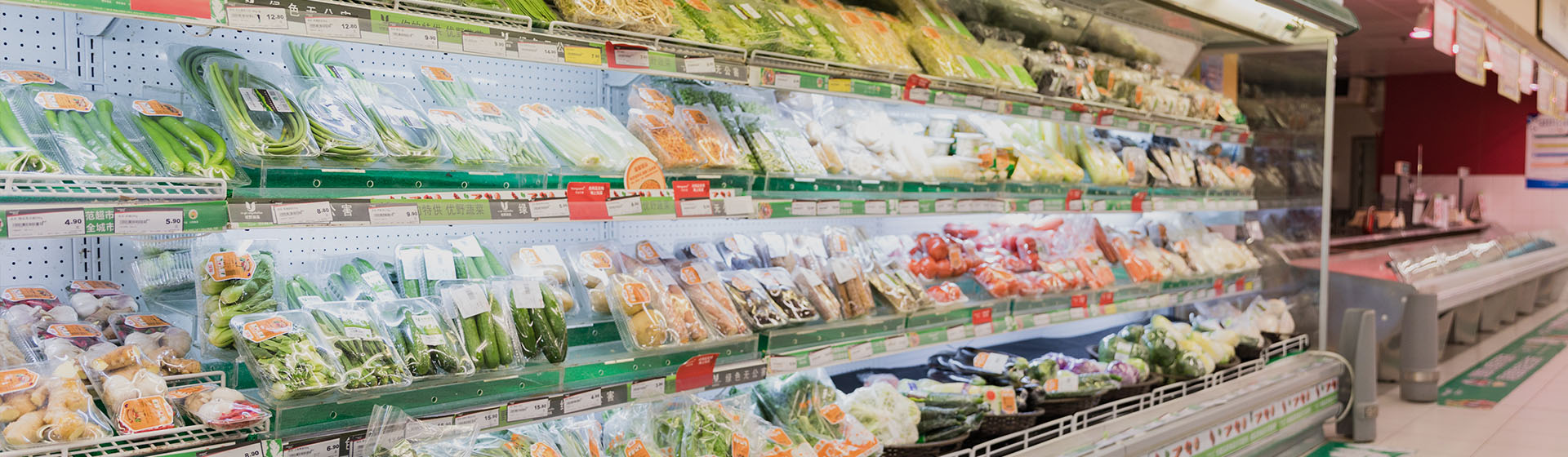
In modern food retail and food service industries, equipment is no longer just a support tool—it directly impacts product quality and sales performance. Deli cabinets, as core display equipment, play a crucial role in maintaining food freshness and enhancing customer purchasing experiences.
A high-quality deli cabinet not only extends the shelf life of products but also elevates their visual appeal, helping businesses stand out in a competitive market.
Core Structure and Working Principle of Deli Cabinets
Deli cabinets operate through a professional refrigeration system that continuously circulates cold air to maintain a stable internal temperature. Compared to standard refrigeration units, they emphasize both temperature uniformity and product presentation.
The main components typically include:
● Refrigeration system, including compressor and evaporator, responsible for cooling
● Airflow circulation system to ensure even temperature distribution
● Display area with transparent glass for enhanced visibility
● Temperature control system for precise adjustments
These systems work together to ensure stable performance even in high-traffic environments.
Impact of Temperature Control on Product Quality
Temperature stability is critical for deli products.
● High temperatures accelerate bacterial growth
● Temperature fluctuations affect texture and taste
● Uneven cooling can lead to localized spoilage
High-performance deli cabinets use multi-point temperature sensing and control to maintain consistent conditions throughout the unit, ensuring food safety and quality.
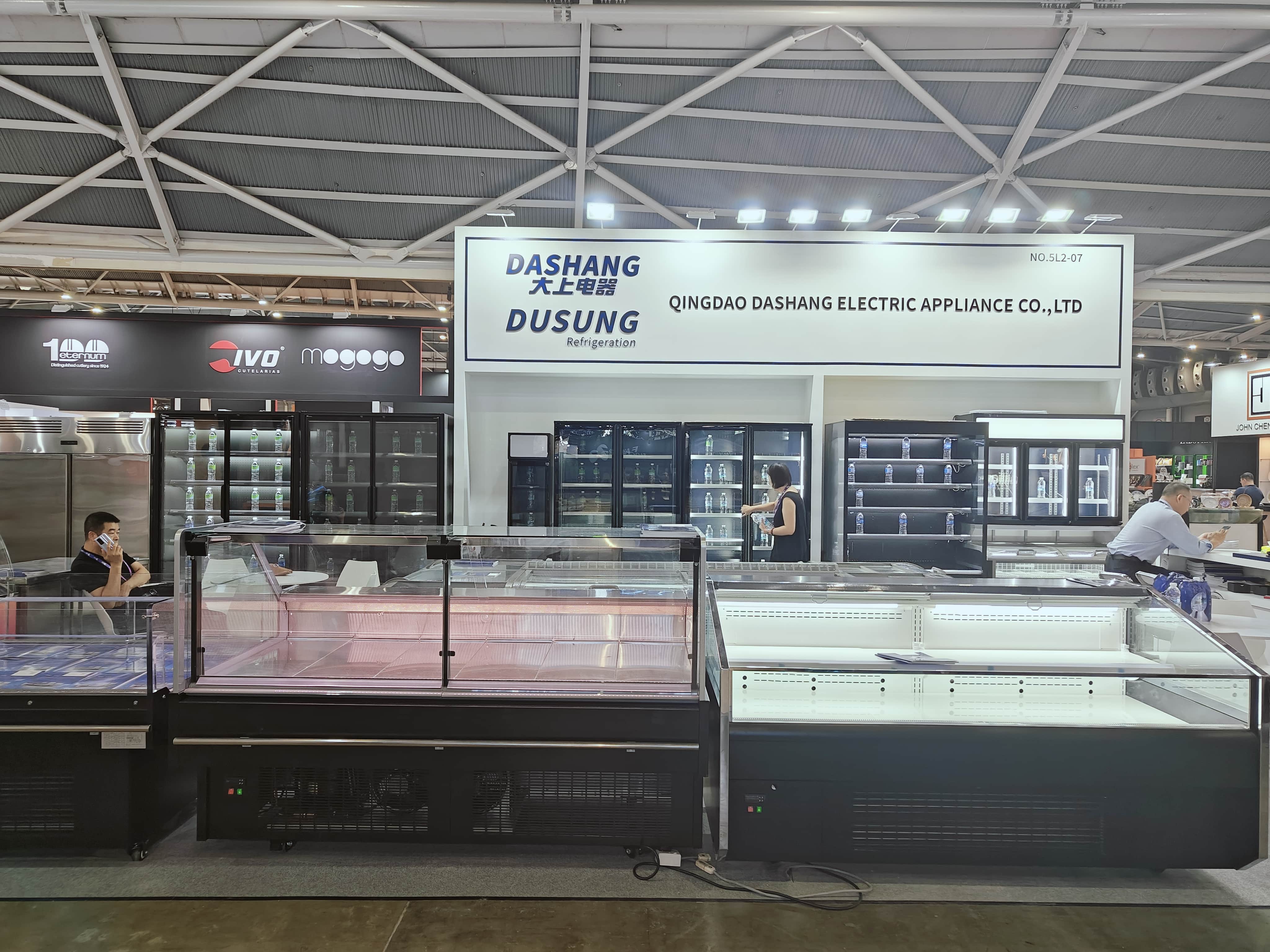
How Display Design Drives Sales Conversion
In retail environments, visual appeal directly influences customer behavior.
Well-designed deli cabinets offer:
● High-clarity glass for better product visibility
● Anti-fog features to maintain clear display
● Integrated lighting to highlight freshness and color
● Organized shelving for effective product segmentation
These features significantly enhance product attractiveness and increase purchase intent.
Space Utilization and Merchandising Efficiency
Efficient space design improves both operations and sales.
● Multi-level adjustable shelving accommodates different product sizes
● Zoned layouts improve product categorization
● Large capacity supports high turnover
● Front-access design allows easy restocking and retrieval
These design elements help streamline workflows and improve customer interaction.
Energy Efficiency and Cost Control
Deli cabinets typically operate continuously, making energy efficiency essential.
Modern units incorporate:
● High-efficiency compressors to reduce power consumption
● Improved insulation to minimize cold air loss
● Smart temperature control systems to avoid unnecessary operation
Over time, these features significantly lower operating costs.
Durability and Long-Term Reliability
Commercial environments require durable and reliable equipment.
High-quality deli cabinets are built with:
● Stainless steel structures for corrosion resistance
● Tempered glass for safety and durability
● Stable refrigeration systems to reduce failure rates
These features ensure long service life and consistent performance.
Matching Products to Different Application Scenarios
Different business environments require different configurations.
● Supermarkets focus on large capacity and continuous display
● Specialty deli shops prioritize aesthetics and presentation
● Commercial kitchens emphasize functionality and efficiency
● Convenience stores require compact and efficient designs
Selecting the right configuration maximizes performance in each scenario.
Usage and Maintenance Recommendations
To maintain optimal performance, follow these best practices:
● Clean the cabinet regularly to maintain hygiene
● Avoid overloading to ensure proper airflow
● Check temperature settings periodically
● Ensure proper ventilation around the unit
Proper usage extends equipment lifespan and ensures stable operation.
Conclusion
Deli cabinets are more than refrigeration equipment—they are essential tools for enhancing product competitiveness. With precise temperature control, effective display design, and energy-efficient operation, they help businesses maintain quality while increasing sales.
For B2B buyers, investing in a high-performance deli cabinet is a strategic decision that supports long-term operational success.
FAQ
1. What products are suitable for deli cabinets?
They are ideal for meats, prepared foods, cheese, salads, and desserts.
2. How can performance stability be evaluated?
By checking temperature consistency, noise levels, and energy consumption.
3. Why is display design important?
It attracts customer attention and increases purchase conversion rates.
4. Do deli cabinets require frequent maintenance?
No, routine cleaning and periodic checks are sufficient.
Post time: Mar-30-2026


