

In the modern retail and food service environment, energy costs are one of the fastest-growing operational expenses. At the same time, businesses are under increasing pressure to meet sustainability goals and demonstrate environmental responsibility. Investing in an energy-efficient island freezer can address both of these challenges. By reducing electricity consumption and enhancing storage efficiency, these freezers provide a tangible return on investment while supporting eco-friendly operations.
Key Benefits of Energy-Efficient Island Freezers
Energy-efficient island freezers offer significant advantages for businesses that rely on cold storage. Beyond lowering energy bills, they improve product presentation, customer experience, and operational reliability.
● Reduced Energy Consumption – Advanced compressors, high-performance insulation, and smart defrost systems reduce overall energy usage by up to 30% compared to traditional models.
● Lower Operational Costs – Reduced electricity consumption directly impacts the bottom line, allowing stores and warehouses to achieve cost savings year-round.
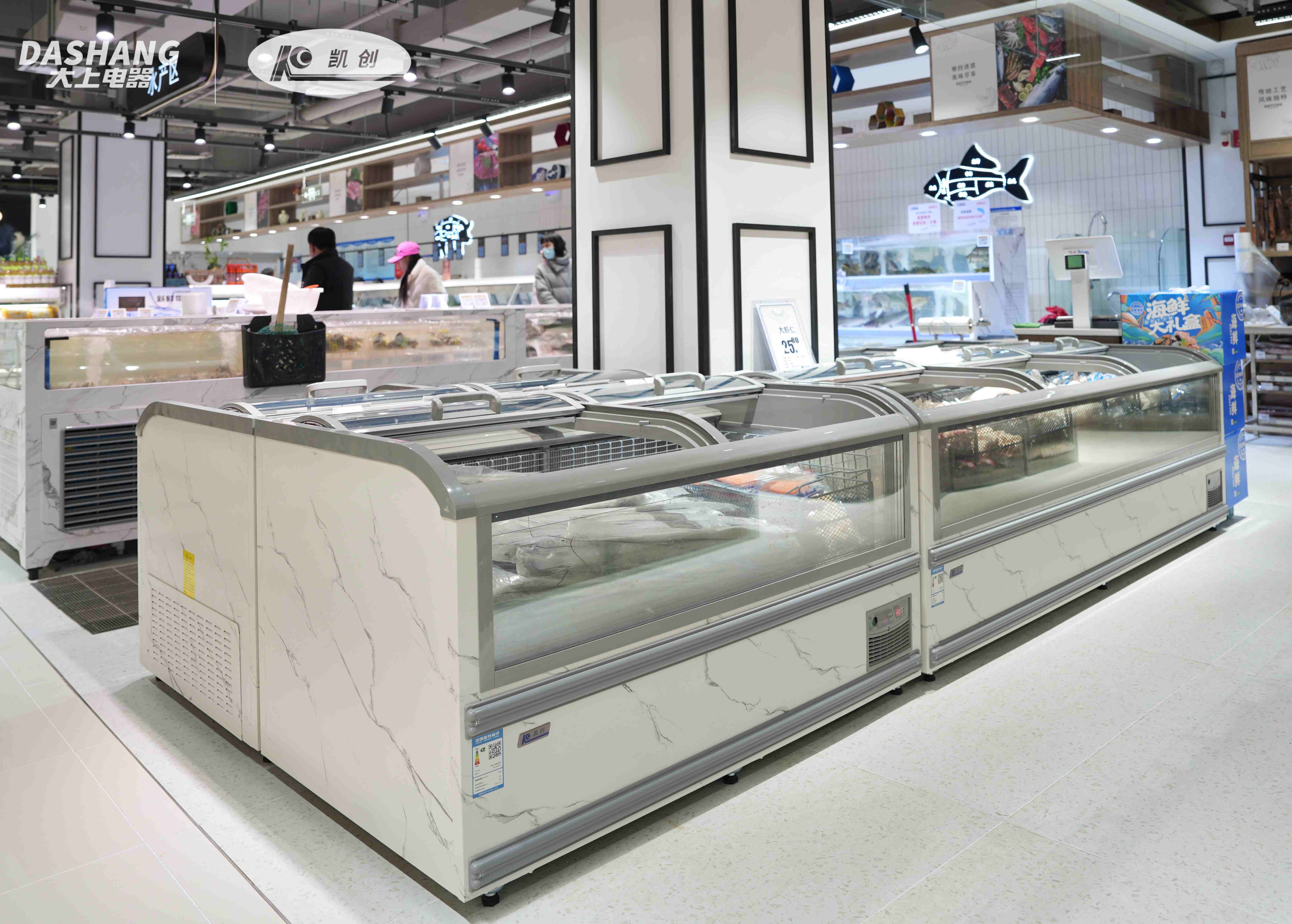
● Improved Product Visibility – Many modern island freezers feature transparent, low-emissivity lids and energy-efficient LED lighting, enhancing product display and boosting sales.
● Environmentally Friendly Operation – New-generation freezers use refrigerants with low global warming potential (GWP), helping businesses align with regulatory requirements and sustainability initiatives.
● Durability and Reliability – High-quality components and optimized design reduce downtime and maintenance costs, ensuring long-term operational efficiency.
Design Features That Enhance Efficiency
Manufacturers of energy-efficient island freezers have introduced innovative design features that minimize energy waste while maintaining optimal storage conditions.
● Advanced Insulation Materials – Multi-layered, vacuum-insulated panels prevent heat transfer and help maintain consistent internal temperatures.
● Intelligent Temperature Control – Digital thermostats and sensors monitor and adjust internal temperatures in real time, ensuring precise cooling while avoiding unnecessary energy consumption.
● Energy-Efficient Lighting – LED lighting consumes far less energy than traditional bulbs and generates minimal heat, reducing load on the cooling system.
● Automatic Defrost and Condenser Cleaning – These features prevent frost buildup and ensure that the freezer operates at maximum efficiency with minimal manual intervention.
● Ergonomic Lid Design – Sliding or lift-up lids with soft-close mechanisms reduce the time the freezer remains open, cutting energy loss and improving user experience.
Selecting the Right Island Freezer for Your Business
Choosing the best energy-efficient island freezer requires careful consideration of your business needs, storage requirements, and operational priorities.
● Storage Capacity – Evaluate the volume of products you need to store. Efficiently insulated larger freezers may consume less energy per unit of storage compared to smaller, poorly insulated units.
● Refrigerant Type – Low-GWP refrigerants reduce environmental impact and ensure compliance with current and future regulations.
● Ease of Access – Lids should open smoothly and allow employees to quickly access stock, minimizing lid open time and energy loss.
● Maintenance and Serviceability – Freezers with easily accessible condensers, self-cleaning features, or modular components reduce downtime and maintenance costs.
● Integration with Existing Infrastructure – Consider whether the freezer can be positioned efficiently in your store or warehouse, avoiding heat sources and ensuring proper airflow.
Operational Best Practices for Maximum Efficiency
Even the most advanced energy-efficient island freezers require proper handling and maintenance to deliver the promised energy savings and operational benefits.
● Optimal Placement – Freezers should be installed away from direct sunlight, ovens, heaters, or other heat-generating equipment that can increase internal load.
● Regular Temperature Monitoring – Maintaining the recommended internal temperature prevents overcooling, which wastes energy and may damage products.
● Stock Organization – Arrange products for quick access and implement first-in-first-out (FIFO) rotation to reduce lid opening times.
● Scheduled Maintenance – Routine cleaning of condenser coils, fan inspection, and defrost system checks keep freezers operating at peak efficiency.
● Employee Training – Educate staff on proper usage, including keeping lids closed and avoiding overfilling, to optimize performance.
Long-Term Value for B2B Buyers
Energy-efficient island freezers are more than just equipment—they are a long-term investment that impacts operating costs, sustainability metrics, and customer experience. Businesses that prioritize efficiency gain:
● Significant Cost Savings – Lower electricity consumption reduces utility bills and improves profitability over the life of the freezer.
● Environmental Compliance – Using low-GWP refrigerants and energy-saving designs demonstrates commitment to sustainability, which can enhance brand reputation.
● Improved Operational Efficiency – Reliable components, automatic maintenance features, and smart temperature control reduce downtime and labor costs.
● Enhanced Customer Experience – Well-lit and clearly organized displays make products more appealing, encouraging repeat purchases and boosting sales.
Conclusion
For B2B operators in retail, food service, and distribution, investing in an energy-efficient island freezer offers measurable benefits. These freezers combine cost savings, environmental responsibility, and operational reliability in a single solution. By selecting the right model, implementing best practices, and maintaining proper usage, businesses can maximize the return on investment while supporting sustainability goals.
FAQ
Q1: How much energy can an energy-efficient island freezer save compared to traditional models?
Most energy-efficient island freezers reduce energy usage by 20–30%, depending on usage patterns, insulation quality, and maintenance practices.
Q2: Are modern island freezers compatible with environmentally friendly refrigerants?
Yes, they often use low-global-warming-potential (GWP) refrigerants to comply with environmental regulations and corporate sustainability programs.
Q3: What maintenance is necessary to maintain efficiency?
Routine cleaning of condenser coils, checking fans and compressors, and monitoring temperature settings are key steps to ensure ongoing energy efficiency.
Q4: Can energy-efficient freezers enhance customer experience?
Absolutely. Features like LED lighting, transparent lids, and organized storage improve product visibility, making it easier for customers to find what they need and increasing purchase likelihood.
Post time: Mar-06-2026


