
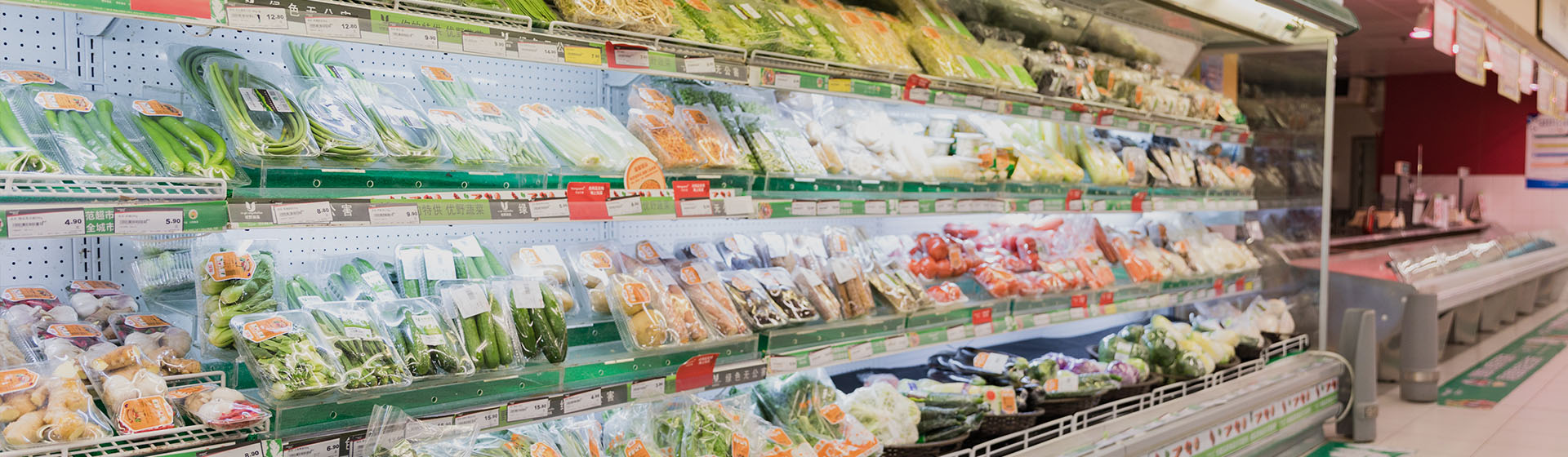
A Salad Bar Refrigerator is not only a cold table with pans. For supermarkets, convenience stores, hotel buffets, cafeterias, and fresh food counters, it is a complete chilled display unit designed to hold ingredients at safe serving temperatures while keeping them visible, organized, and easy to replenish. Because salads, cut fruit, yogurt toppings, sauces, deli vegetables, and prepared light meals are exposed to frequent serving, the equipment must combine refrigeration, hygiene, display, and daily operating convenience.
What Is a Salad Bar Refrigerator Made For?
The main purpose of a Salad Bar Refrigerator is to display chilled food in an open or semi-open serving line. Unlike a normal upright refrigerator, the product is built around top access. Food pans are placed at a convenient height so customers or staff can serve portions quickly. This makes it suitable for self-service salad bars, quick-service restaurants, buffet lines, grab-and-mix topping stations, and supermarket fresh meal sections.
A well-designed model should do more than keep products cold. It should separate different ingredients, make colors and textures easy to see, support quick cleaning after service, and allow staff to replace pans without interrupting the whole line. For example, lettuce, cherry tomatoes, cucumbers, corn, beans, cheese, fruit cubes, sauces, and cold noodles can be arranged in individual pans so the whole display looks structured rather than crowded.
Core Product Structure Buyers Should Check
Chilled pan well and pan layout
The chilled pan well is the working center of the equipment. It determines how many ingredient pans can be displayed and how evenly the cold environment surrounds them. Buyers should check whether the unit supports standard pan sizes, whether pan depth fits the intended food type, and whether the layout allows clear separation between wet, dry, light, and heavy ingredients. A flexible pan layout is important because menu items often change by season, meal period, and promotion.
Stainless steel food contact areas
For salad and ready-to-eat food display, hygiene is a key product requirement. Stainless steel surfaces are commonly used because they are durable, corrosion-resistant, and easier to clean. The top area should avoid unnecessary seams where food residue can accumulate. Smooth inner edges, removable pans, and accessible corners help staff clean the unit quickly after busy service periods.
Sneeze guard and transparent protection
A sneeze guard or transparent shield is an important part of the product, especially in self-service environments. It helps protect displayed food while keeping the ingredients visible. The angle, height, and transparency of the guard affect both food protection and customer comfort. If the guard blocks the view or makes serving awkward, customers may avoid the station even when the food itself is attractive.
Cooling Performance Must Match Open Food Display
A Salad Bar Refrigerator works in a more demanding environment than a closed refrigerator because food is accessed frequently and the top area may be partially open during service. The refrigeration system needs to maintain a stable chilled zone around the pans instead of only reaching a low temperature at one point. This is why insulation, airflow design, compressor performance, and controller accuracy should be considered together.
Stable cooling helps protect food texture and appearance. Leafy vegetables should not wilt quickly, sauces should not become warm at the surface, and cut fruit should not lose freshness too soon. At the same time, cold air should not be so aggressive that it dries sensitive ingredients. The best result comes from balanced cooling that supports both food safety and visual quality.
Product Details That Improve Daily Operation
- Digital temperature control helps staff monitor the cabinet and respond quickly when settings need adjustment.
- Removable pans and lids make cleaning, replacement, and overnight storage easier.
- Optional lower refrigerated storage can keep backup ingredients close to the serving area.
- Smooth casters or adjustable feet help the cabinet fit different restaurant and supermarket layouts.
- A practical drainage design reduces the difficulty of cleaning water, melted ice, and food residue.
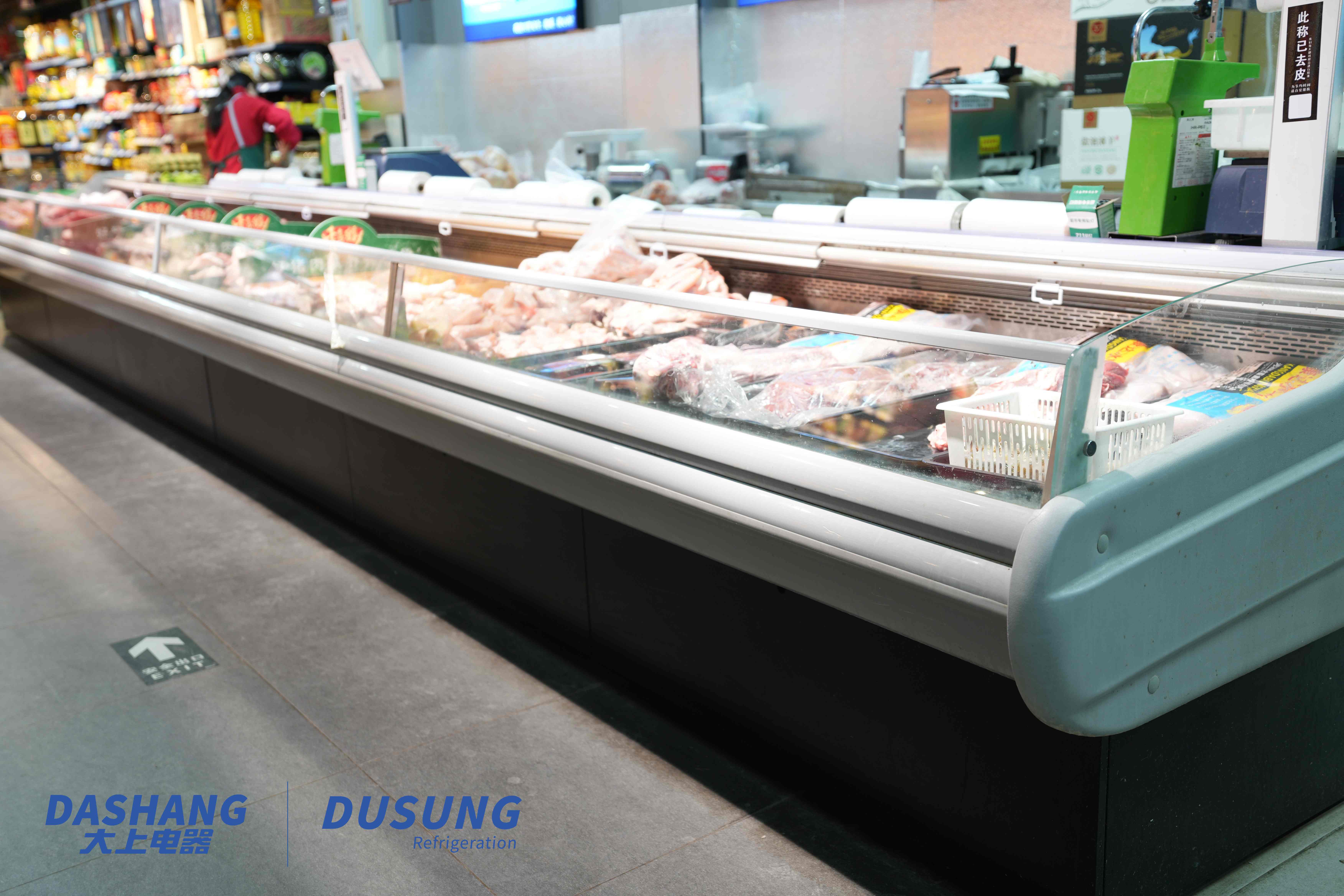
These details may look small in a product picture, but they affect labor cost and service efficiency every day. A unit that is difficult to clean or inconvenient to replenish can slow down staff during peak hours. A unit with clear access and logical structure helps the food area stay neat even when customer traffic is high.
How to Choose the Right Size and Configuration
Before ordering a Salad Bar Refrigerator, buyers should first list the food categories to be displayed. A counter for a hotel breakfast buffet may need fruit, yogurt toppings, cold vegetables, and dressings. A supermarket meal section may need boxed salad ingredients, pasta salad, sauces, and cold side dishes. A restaurant topping station may require a smaller but more frequent refill layout. Different uses require different pan counts, cabinet depths, and worktop designs.
The installation environment also matters. The unit should not be placed directly beside hot cooking equipment, strong air-conditioning outlets, or direct sunlight. These conditions increase the cooling load and may affect food temperature. Operators should also confirm power supply, ventilation space, drainage, cleaning access, and whether the counter needs to match other service equipment visually.
Why Product-Focused Design Matters for Fresh Food Sales
Customers judge salad and fresh food quickly. If ingredients look dry, mixed together, poorly protected, or hard to reach, the station loses appeal. A professional Salad Bar Refrigerator helps turn chilled ingredients into an organized product display. It supports freshness, hygiene, color visibility, easy access, and efficient replenishment at the same time.
Dashang commercial refrigeration equipment is developed for retail and foodservice users who need reliable cooling and practical display structure. For salad bars, fresh meal counters, buffet lines, and chilled topping stations, the right cabinet should not be selected only by size. It should be selected by how well it protects ingredients, presents the food, supports staff work, and fits long-term daily operation.
FAQ
1、What food can be displayed in a Salad Bar Refrigerator?
It can display salad vegetables, cut fruit, yogurt toppings, sauces, cheese, beans, cold noodles, deli vegetables, cold side dishes, and other chilled ready-to-eat ingredients.
2、Is a salad bar refrigerator suitable for self-service areas?
Yes. With a suitable sneeze guard, stable cooling, organized pan layout, and regular cleaning, it is well suited for self-service salad bars and buffet counters.
3、Should I choose top display only or lower storage as well?
If the food station needs frequent replenishment, lower refrigerated storage can help staff keep backup ingredients nearby and reduce walking time.
4、What should be confirmed before purchase?
Buyers should confirm cabinet size, pan quantity, pan depth, temperature range, sneeze guard design, cleaning access, drainage, power supply, ventilation space, and installation location.
Post time: Jul-13-2026


