
In the competitive world of foodservice, retail, and hospitality, every detail matters. One often overlooked but critical aspect is proper refrigeration. A commercial refrigerator is not just a cooling appliance—it is a key factor in maintaining food quality, reducing waste, and improving operational efficiency. For businesses dealing with perishable products, selecting the right commercial refrigerator can have a significant impact on both day-to-day operations and long-term profitability.
Different Types of Commercial Refrigerators
Choosing the appropriate type of commercial refrigerator is the first step toward operational efficiency. Different business needs call for different designs.
● Reach-In Refrigerators – These upright units are common in professional kitchens. They provide quick access to ingredients and maintain consistent temperatures for perishable goods. Reach-in refrigerators often feature multiple shelves and adjustable compartments, making them ideal for restaurants and catering services.
● Undercounter Refrigerators – Compact and convenient, undercounter units fit neatly beneath workstations. They maximize kitchen workspace while keeping essential ingredients at hand, which is especially useful in fast-paced environments like cafés, bars, and small restaurants.
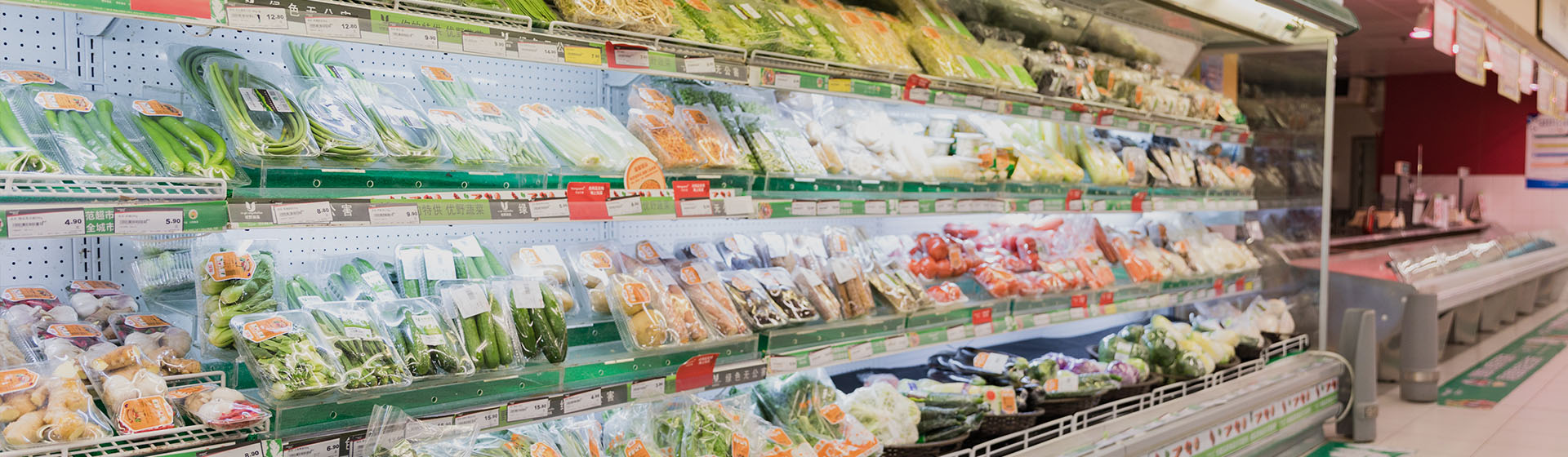
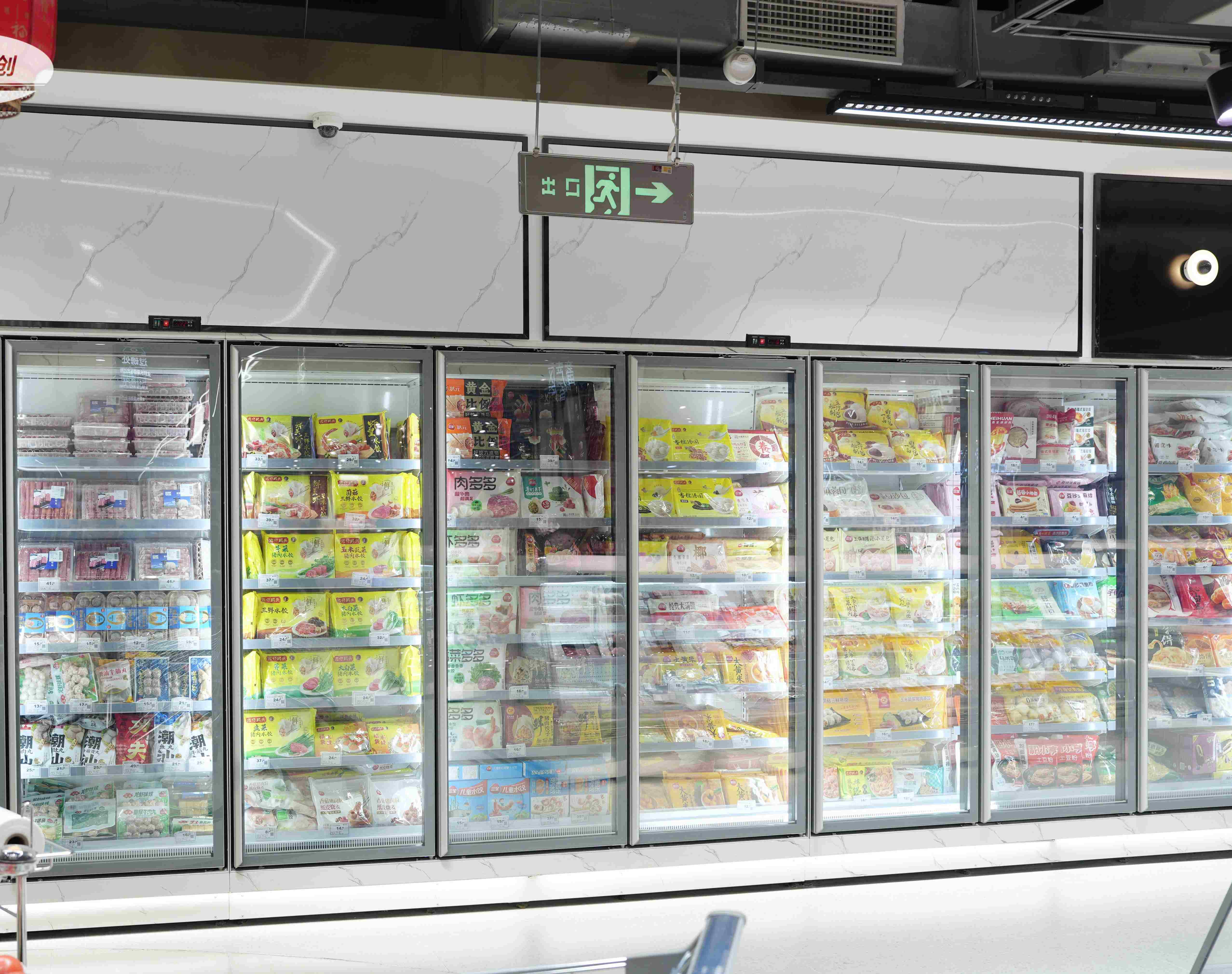
● Display Refrigerators – Found in convenience stores, supermarkets, and cafes, these refrigerators combine functionality with marketing. Transparent doors allow customers to see products while ensuring optimal temperature control, enhancing both sales and food safety.
● Walk-In Refrigerators – Walk-ins are designed for large-scale operations that require extensive storage. These units can be customized with different shelving layouts, temperature zones, and even humidity controls. Walk-ins are a strategic choice for hotels, food distributors, and large restaurants.
Essential Features to Look For
When selecting a commercial refrigerator, businesses should consider features that ensure reliability, efficiency, and ease of use.
● Temperature Control – Precise thermostats allow for adjustable temperatures to store different types of products safely. Some advanced models even offer digital controls with alarms for temperature fluctuations.
● Energy Efficiency – High-efficiency compressors, LED lighting, and improved insulation reduce energy consumption and operating costs, making them more sustainable for businesses in the long term.
● Durable Construction – Stainless steel interiors and exteriors, reinforced shelving, and corrosion-resistant components ensure the refrigerator withstands heavy use in demanding commercial environments.
● Ease of Maintenance – Removable shelves, self-closing doors, and easily accessible condensers simplify cleaning and maintenance, reducing downtime and labor costs.
● Noise Control – Quieter units improve the working environment, particularly in open-concept kitchens or customer-facing areas.
Operational Benefits for Businesses
Investing in a high-quality commercial refrigerator provides measurable benefits that directly impact business operations.
● Food Safety and Compliance – Maintaining consistent refrigeration prevents spoilage and minimizes the risk of bacterial contamination, helping businesses meet health regulations and avoid fines.
● Reduced Food Waste – By keeping products fresh longer, businesses can minimize losses caused by expired or spoiled items.
● Improved Workflow Efficiency – Organized storage and easy access to ingredients streamline kitchen operations, allowing staff to focus on preparation and service rather than searching for items.
● Enhanced Customer Experience – For display refrigerators, attractive product presentation combined with optimal freshness can increase sales and build customer trust.
Selecting the Right Supplier
For B2B buyers, the choice of supplier is as important as the product itself. Reputable suppliers provide more than just equipment—they deliver long-term value.
● Ensure the supplier offers certified, high-quality units that comply with international safety and energy standards.
● Look for after-sales support, including maintenance services, warranty coverage, and technical assistance.
● Choose suppliers capable of flexible delivery schedules to prevent disruption in your operations.
● Consider suppliers with customization options, allowing units to be tailored for specific storage, shelving, or temperature needs.
Additional Considerations for B2B Buyers
Beyond standard features, businesses should evaluate commercial refrigerators based on their specific operational demands.
● Size and Capacity – Calculate storage requirements carefully to ensure adequate space without over-purchasing. Oversized units can waste energy, while undersized units limit productivity.
● Temperature Zoning – Some refrigerators allow multiple temperature zones to store different products simultaneously, such as dairy, meats, and beverages.
● Mobility and Installation – Consider units with caster wheels or modular designs for easier repositioning, especially in kitchens with changing layouts.
● Technology Integration – Advanced refrigerators may include remote monitoring, IoT-enabled alerts, and automated defrost systems, allowing managers to monitor performance and reduce downtime.
Conclusion
Choosing the right commercial refrigerator is a strategic decision for any business that relies on food storage and preservation. By understanding the different types, features, and operational benefits, companies can make informed purchases that improve efficiency, reduce waste, and enhance customer satisfaction. Selecting a reputable supplier with high-quality, durable products ensures long-term reliability and value. Investing in the right refrigeration solution is not just about keeping food cold—it’s about keeping your business running smoothly and profitably.
FAQ
Q1: What is the ideal temperature range for commercial refrigerators?
A: Most commercial refrigerators maintain 1–4°C (34–39°F) to preserve perishable goods safely.
Q2: How often should commercial refrigerators be maintained?
A: Routine maintenance every 6–12 months ensures energy efficiency and extends the lifespan of the unit.
Q3: Are energy-efficient models worth the higher upfront cost?
A: Yes, while they may cost more initially, energy-efficient models reduce electricity consumption and save money over time.
Q4: Can commercial refrigerators be customized for specific storage requirements?
A: Many suppliers offer adjustable shelving, multiple temperature zones, and specialized walk-in designs to meet unique business needs.
Post time: Feb-02-2026


