
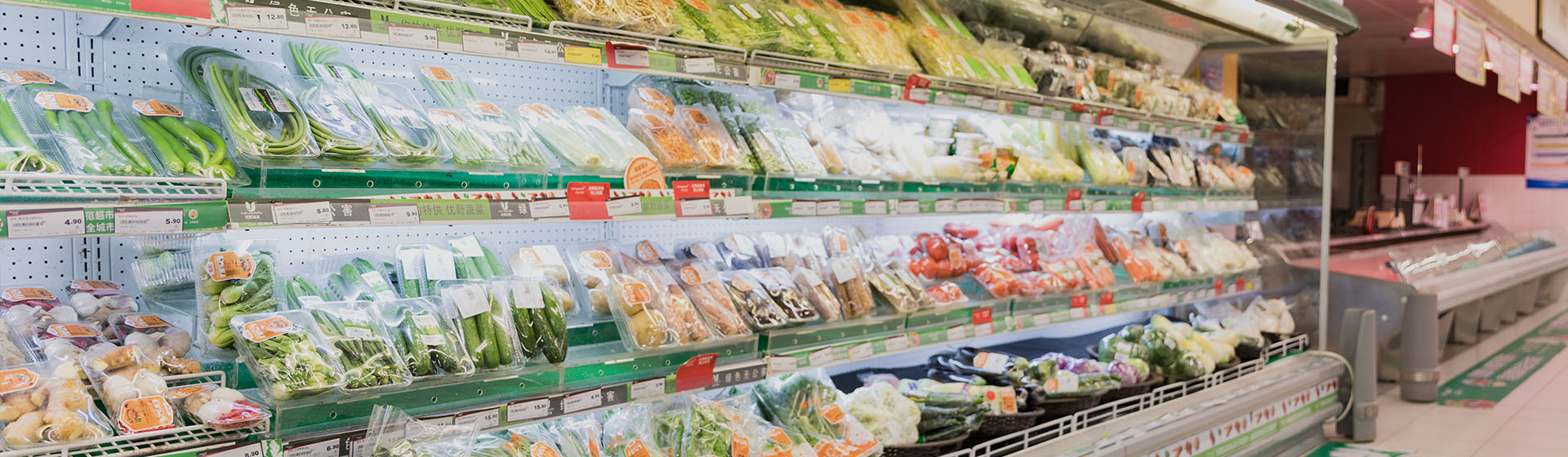
In a competitive supermarket environment, attracting customers is only the first step. Retailers also need to make products easy to notice, compare, and purchase. For stores selling sliced meat, cheese, prepared meals, salads, and other chilled foods, the deli section can create additional sales opportunities when products are presented effectively.
A Nigerian supermarket chain looking to improve the performance of its deli area. Its products were available, but the existing display arrangement did not make every category easy to see or select. By reviewing the layout and choosing more suitable Deli Display Fridges, the retailer could make the section more organized, improve the shopping experience, and support daily service.
The Initial Challenge: Products Were Not Getting Enough Attention
A supermarket may offer a wide range of deli products but still miss sales opportunities if shoppers cannot identify them easily. Crowded trays, unclear product separation, and poor visibility can make customers overlook items they might otherwise consider.
For the supermarket chain, the issue was not simply a lack of refrigerated storage. The deli area needed to function as a customer-facing selling space.
- Limited visibility: Customers may struggle to distinguish meats, cheeses, prepared meals, and salads when products are crowded together.
- Unclear categories: Similar products placed without clear separation make comparison more difficult.
- Slow service access: Staff may spend extra time locating products, replenishing trays, or rearranging the display.
- Inconsistent presentation: An untidy display can make the entire deli area appear less appealing.
These issues affect how customers interact with products, even when the product range itself is suitable. The supermarket therefore needs equipment that supports both refrigeration and merchandising.
Making Deli Products More Visible
A well-selected Deli Display Fridge provides a designated area for chilled products. Transparent glass allows shoppers to view the selection before asking for assistance, while suitable lighting can make product categories easier to distinguish.
The internal arrangement is equally important. Sliced meats can be separated from cheeses, while prepared salads and ready-to-eat foods can occupy their own sections. This reduces visual clutter and helps shoppers understand the available choices.
The display should also match the way products are sold. Pre-packed items may need clear label visibility, while products served by staff require convenient access from the operator side. A cabinet that suits the service method can make the display easier to manage throughout the day.
For retailers comparing equipment, a Deli Display Fridge should be evaluated as part of the selling area, not simply as a storage appliance. Its display surface, usable space, access arrangement, and fit with the store layout all influence how effectively products can be presented.
Organizing Different Food Categories
| Product category | Display consideration | Customer benefit |
|---|---|---|
| Sliced meats | Separate varieties and keep products visible | Easier comparison |
| Cheese | Group by type or packaging | Clearer product selection |
| Prepared meals | Keep labels and product fronts visible | Easier identification |
| Salads and chilled foods | Use suitable containers and accessible positions | More convenient selection |
| Packaged deli products | Arrange packages neatly with labels facing forward | Faster browsing |
This approach makes Deli Display Fridges more useful as merchandising equipment. It also gives the store flexibility to adjust the arrangement when customer demand changes. Frequently purchased items can be placed in convenient positions, while seasonal products or new selections can be introduced without reorganizing the entire section. However, product grouping must not override food-handling requirements. Different items should only share a display arrangement when their storage conditions and handling procedures are compatible.

Creating More Opportunities for Additional Purchases
One opportunity in supermarket retail is helping customers discover products beyond their original shopping list. A shopper visiting the deli section for sliced meat may also notice cheese, prepared salads, or ready-to-eat meals. Clear presentation makes these related products easier to discover. The supermarket can group complementary items within the same general area, provided their refrigeration and handling requirements are suitable. This gives customers a more convenient way to consider several options during one visit.
The position of the display equipment also matters. A deli counter placed in a convenient shopping area can attract attention without obstructing customer movement. Shoppers need enough room to pause, compare products, and receive service. Staff also need sufficient working space behind the counter to serve customers and replenish the display. For larger supermarkets, the deli section should fit naturally into the wider store layout. A refrigerated counter that is too long for the available space may interfere with traffic flow, while a display that is too small may limit the range of products customers can see.
Suitable Deli Display Fridges can therefore support a more effective shopping journey. They do not guarantee higher sales on their own, but they help make available products more visible and accessible.
Supporting Staff Efficiency and Consistent Presentation
The customer-facing display is only one part of daily deli operations. Staff must also be able to replenish products, maintain the arrangement, clean the cabinet, and monitor stock condition.
Before choosing a cabinet, retailers should consider:
- Whether staff can reach products and display trays conveniently.
- Whether the internal layout supports the store’s product categories.
- Whether replenishment can be completed without disturbing the entire display.
- Whether the cabinet is practical to clean and maintain.
- Whether its display capacity matches expected product volume and customer traffic.
A suitable Deli Display Fridge can make product rotation and replenishment easier when its layout matches the store’s workflow. Staff can maintain a more orderly display, identify products that need attention, and reduce unnecessary handling.
Why Refrigeration Performance Still Matters
Attractive presentation may encourage customers to look more closely, but product condition is essential for repeat purchases. Deli foods are perishable, so the cabinet must provide operating conditions appropriate for the products being displayed.
Before purchasing Deli Display Fridges, retailers should assess cooling performance, temperature monitoring, loading requirements, and suitability for the intended food categories. The cabinet should be selected according to the actual products and operating conditions rather than appearance alone. The installation environment also deserves attention. Supermarkets in Nigeria may operate in different store layouts and ambient conditions. Buyers should confirm that the selected equipment is appropriate for the location, including its ventilation, installation space, and expected operating hours.
Daily procedures remain important. Correct loading, regular cleaning, temperature checks, and appropriate product rotation all contribute to maintaining suitable conditions. Overloading a cabinet or blocking its intended airflow can undermine its performance, even when the equipment is otherwise suitable. A deli display strategy therefore needs to combine product visibility with reliable refrigeration and consistent staff practices. Both sides matter: presentation helps customers make choices, while proper refrigeration helps protect the products being offered.
Selecting Deli Display Fridges for Supermarket Growth
The needs of a small deli counter differ from those of a large supermarket with several chilled food categories. A smaller store may prioritize a compact service counter, while a larger location may need a longer display with space for different products and convenient staff access.
Dashang provides commercial refrigeration solutions for supermarket and food retail applications, including Deli Display Fridges and other display refrigeration equipment. For retailers planning a new deli section or upgrading existing stores, the selection process can begin with the product range, required display length, service method, and available floor space. Matching the cabinet configuration to these requirements helps create a more organized display area while supporting daily service operations.
Conclusion
A supermarket can create more deli sales opportunities by treating refrigerated display equipment as part of its merchandising strategy rather than simply as food storage. Suitable Deli Display Fridges make products easier to see, compare, and select. When combined with logical product grouping, convenient staff access, appropriate placement, and reliable refrigeration, they can support a more attractive deli section and a smoother shopping experience. For supermarket operators, the key is to select equipment that matches product categories, customer behavior, and daily operating requirements. A well-planned deli display helps turn existing products into more visible and accessible choices.
FAQ
1. How do deli display fridges help supermarkets improve product visibility?
Transparent display surfaces and organized product sections help customers see different food categories more clearly. This makes it easier to browse and compare available products.
2. Should a supermarket choose a longer deli display fridge?
Not necessarily. The required length depends on product variety, expected stock volume, available floor space, and the service method. A larger cabinet is only useful when the store can operate and maintain it effectively.
3. What is important when using deli display fridges in multiple stores?
Retailers should consider consistent cabinet configurations, display arrangements, cleaning procedures, and temperature-monitoring practices. These can make daily operations easier to standardize across locations.
4. Can deli display fridges help reduce food waste?
They can support better product organization and stock rotation, making it easier for staff to monitor displayed items. However, waste reduction also depends on purchasing plans, food handling, refrigeration, and timely replenishment.
Post time: Nov-16-2026


