
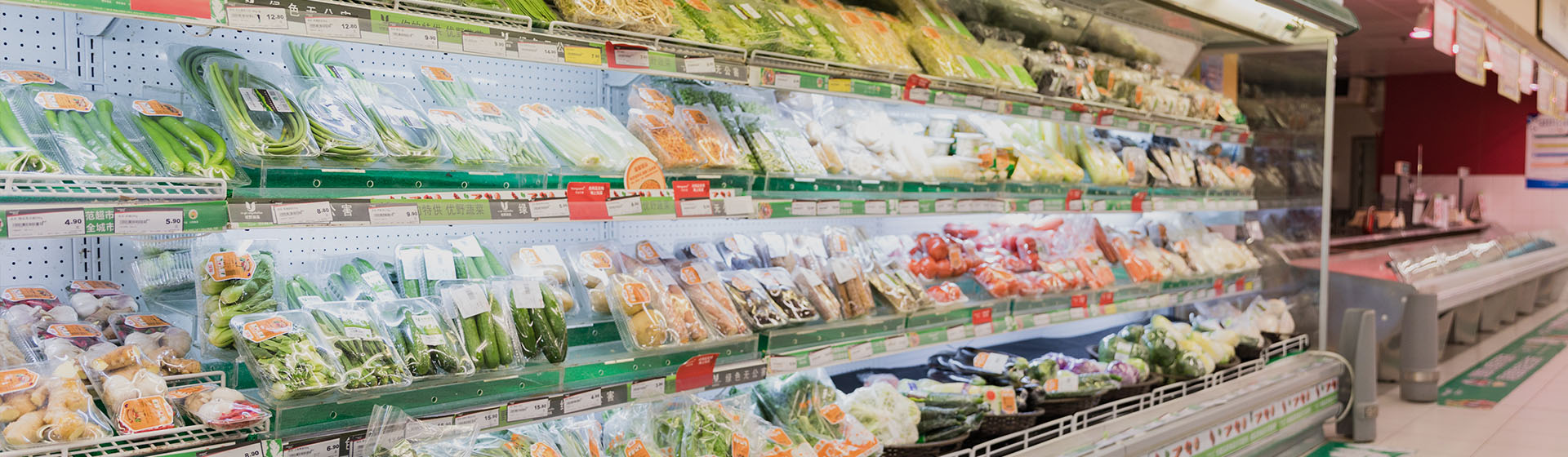
In the retail, hospitality, and distribution industries, businesses face numerous challenges in beverage storage and display: insufficient stock, poor product visibility, high energy costs, and inefficient restocking. A high-capacity glass door beverage fridge is more than a storage appliance—it is a strategic tool that addresses these pain points. By maximizing storage, improving product visibility, and optimizing energy usage, it helps businesses increase operational efficiency and customer satisfaction.
For supermarkets, convenience stores, restaurants, and distribution centers, choosing the right fridge directly affects sales, operational costs, and employee productivity.
Common Pain Points in Beverage Management
B2B businesses often encounter the following issues:
● Insufficient stock leading to out-of-stock situations – Small or scattered fridges cannot store enough beverages, causing sales gaps.
● Poor product visibility reducing sales – Traditional or closed cabinets make it hard for customers to quickly find products, lowering impulse purchases.
● High energy consumption and operating costs – Older or inefficient fridges consume more electricity, increasing long-term expenses.
● Inefficient restocking and management – Poor door design or inflexible shelving slows down staff operations.
● Uneven temperature affecting product quality – Inconsistent cooling can degrade beverage taste and cause waste.
These pain points directly impact profitability, customer experience, and operational efficiency.
How a High-Capacity Glass Door Beverage Fridge Solves These Pain Points
A high-capacity glass door beverage fridge offers effective solutions:
● Large storage capacity – Stores more beverages at once, reducing out-of-stock risks and improving inventory turnover.
● Transparent doors for easy visibility – Customers and staff can quickly see products, boosting impulse purchases and restocking efficiency.
● Energy-efficient operation – Advanced compressors and insulation maintain stable temperatures while lowering energy consumption.
● Even temperature distribution – Keeps all beverages at ideal serving temperatures, ensuring quality and taste.
● Easy access for staff and customers – Sliding or hinged doors simplify stocking and retrieval, saving time and improving workflow.
● Durable commercial construction – Built to handle heavy daily use, reducing maintenance and replacement costs.
By addressing these pain points, businesses can improve operational efficiency while increasing customer satisfaction and sales.
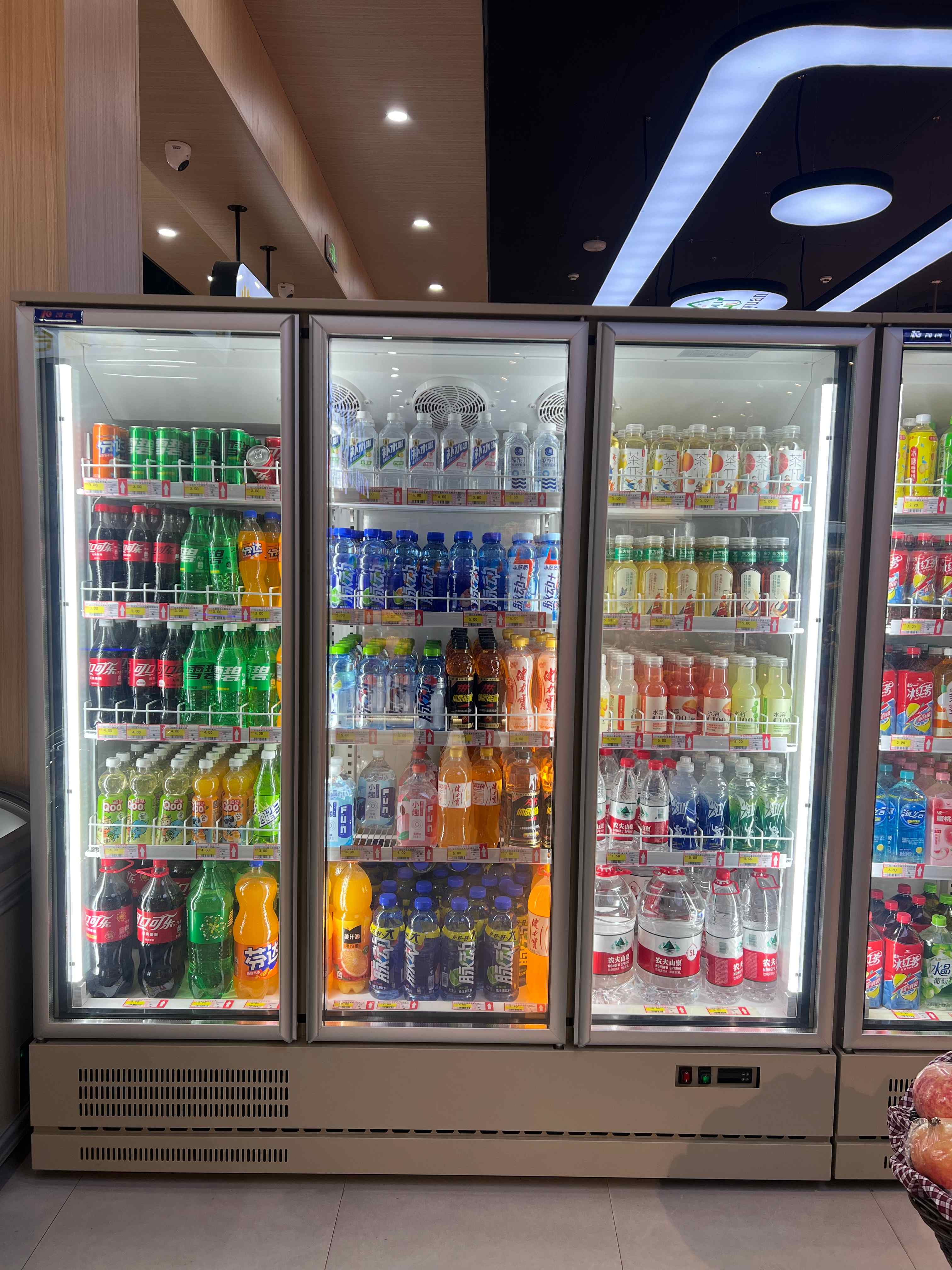
Key Features to Consider
Refrigeration and Temperature Control
● High-efficiency compressors for uniform cooling
● Eco-friendly refrigerants meeting environmental standards
● Digital temperature control with alerts
● Automatic defrost system for hygiene and efficiency
Door and Cabinet Design
● Tempered glass doors for durability and clear visibility
● Anti-condensation coating to prevent fogging
● LED lighting to enhance product display
● Smooth sliding or hinged doors for easy access
Energy Efficiency and Smart Management
● Remote temperature monitoring and notifications
● Energy usage tracking
● Predictive maintenance alerts to prevent downtime
● Adjustable shelving to accommodate various beverage sizes
Applications Across B2B Sectors
● Supermarkets and convenience stores – High-turnover beverage display to boost sales
● Restaurants, cafes, and bars – Front-of-house storage for quick service
● Hotels and catering facilities – Buffet or minibar display
● Wholesale and distribution centers – Efficient storage and easy picking, lowering operational costs
Installation and Maintenance Best Practices
● Place fridges in well-ventilated areas to prevent overheating
● Ensure the fridge is level to protect the compressor
● Regularly clean condenser coils and door seals
● Check LED lighting and anti-condensation systems
● Perform routine temperature calibration and preventive maintenance
Proper installation and maintenance reduce downtime, protect investments, and maintain beverage quality.
Conclusion
Addressing common B2B beverage management challenges, a high-capacity glass door beverage fridge delivers large storage, clear product visibility, uniform temperature control, and energy efficiency. It improves workflow, enhances customer experience, reduces costs, and increases sales potential. For businesses in retail, hospitality, or distribution, selecting a fridge with advanced cooling, durable construction, and smart energy features ensures long-term value, reliable operation, and satisfied customers.
FAQ
1. How does a high-capacity glass door beverage fridge solve stock shortages?
Its large capacity allows more beverages to be stored at once, reducing out-of-stock situations and improving inventory turnover.
2. Can this fridge reduce energy costs?
Yes, it uses high-efficiency compressors, advanced insulation, and LED lighting to significantly lower electricity usage.
3. How can I ensure temperature stability?
Smart temperature controls combined with uniform cooling maintain all beverages at ideal serving temperatures.
4. Is this fridge suitable for high-traffic commercial environments?
Yes, it is designed for frequent access while maintaining consistent internal temperatures.
5. What advantages does LED lighting provide?
LED lighting improves product visibility, attracts customer attention, and consumes less energy than traditional lighting.
Post time: Feb-27-2026


