
Introduction
In today’s competitive food retail environment, presentation and preservation go hand in hand. Whether you operate a deli shop, supermarket, bakery, or café, investing in the right deli cabinet is not just about storage—it is about creating a compelling product experience that drives customer engagement and boosts sales. From fresh meats and cheeses to ready-to-eat meals and desserts, the right deli cabinet ensures optimal freshness while enhancing visual appeal.
This expanded guide explores not only the essential selection criteria but also practical insights, operational considerations, and strategic tips to help you choose a deli cabinet that aligns with your business goals.
Understanding Deli Cabinets: A Brief Overview
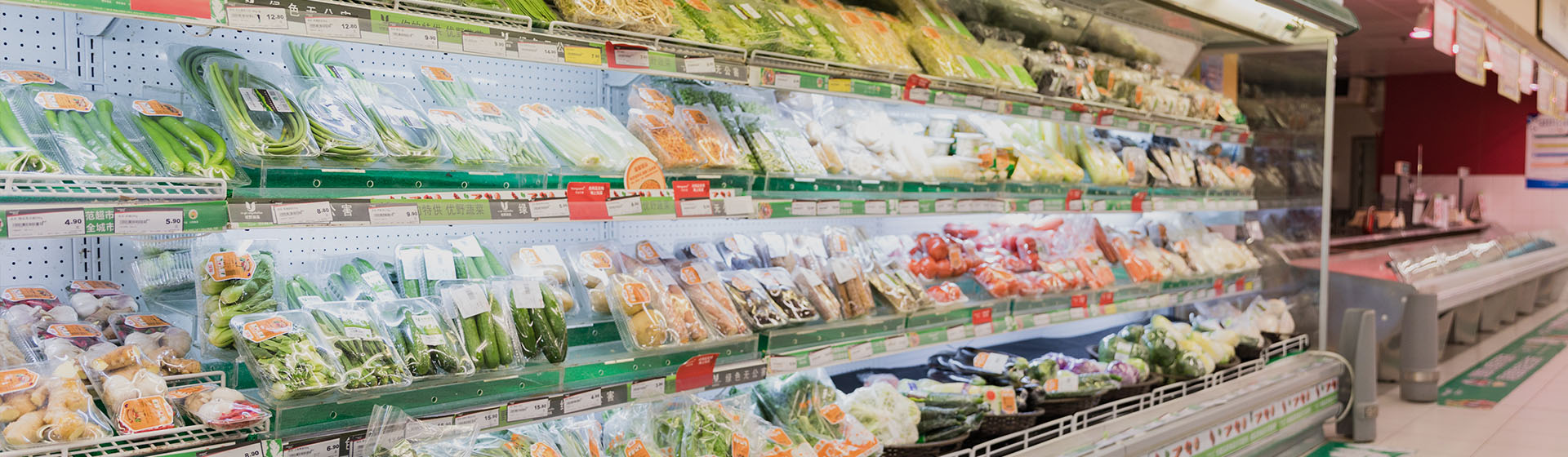
A deli cabinet, also known as a refrigerated display case or showcase, is specifically designed to store and present perishable food products in a controlled environment. These cabinets maintain consistent temperature and humidity levels while offering clear visibility to attract customers.
Unlike standard refrigeration units, deli cabinets combine cooling performance with merchandising functionality. They are commonly used for:
● Fresh deli meats and cheeses
● Prepared salads and ready meals
● Bakery items and desserts
● Specialty or premium food products
By integrating preservation and presentation, deli cabinets play a central role in both product quality and sales performance.
Why Choosing the Right Deli Cabinet Matters
Selecting the right deli cabinet impacts more than just storage—it affects operational efficiency, product turnover, and customer perception.
A well-chosen cabinet can:
● Extend shelf life and reduce product waste
● Improve product visibility and impulse purchases
● Enhance store layout and workflow efficiency
● Strengthen brand image through professional presentation
On the other hand, choosing the wrong cabinet can lead to inconsistent temperatures, higher energy costs, and reduced customer satisfaction.
Key Factors to Consider When Choosing a Deli Cabinet
1. Size and Capacity
One of the first decisions involves determining the appropriate size and capacity. This depends on both your available floor space and your product volume.
Small shops may benefit from compact counter-style cabinets, while larger supermarkets require high-capacity display systems. It is important to balance display area with accessibility—overcrowded cabinets reduce airflow and visibility.
Future growth should also be considered. Selecting a slightly larger unit can accommodate expansion without requiring additional investment.
2. Temperature Control and Stability
Temperature control is critical for food safety and product quality. A high-quality deli cabinet should provide precise and stable temperature management, typically within the range of 34°F to 40°F (1°C to 4°C).
Advanced models offer digital controls, uniform airflow systems, and multi-zone cooling options. These features ensure that different product types can be stored under optimal conditions without compromising freshness.
3. Display Style and Customer Interaction
The design of the cabinet directly influences how customers interact with products.
● Open display cabinets allow easy access and encourage impulse buying
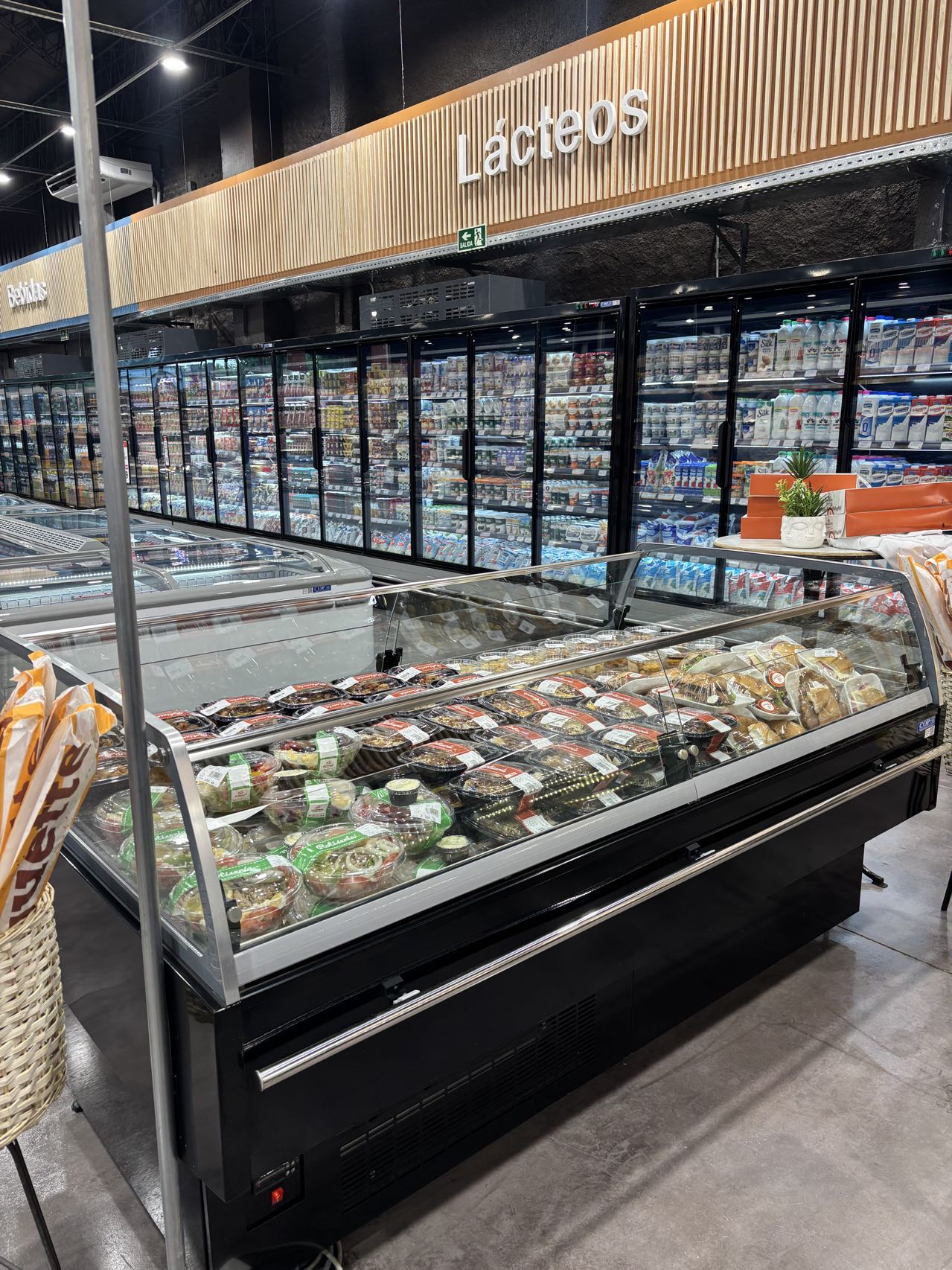
● Curved glass cabinets provide a premium, elegant appearance
● Upright cabinets maximize vertical space and product variety
Choosing the right style depends on your store concept, target customers, and product mix. A visually appealing display can significantly increase perceived product value.
4. Energy Efficiency and Operating Costs
Energy consumption is a major long-term cost factor. Modern deli cabinets are designed with energy-efficient components such as:
● LED lighting systems
● High-efficiency compressors
● Improved insulation materials
Energy-efficient models reduce electricity bills and support sustainability goals, making them a smart investment for long-term operations.
5. Shelving and Interior Flexibility
Flexible shelving is essential for effective product organization. Adjustable shelves allow you to adapt the layout based on product size, packaging, and seasonal promotions.
Proper organization improves both operational efficiency and customer experience. Well-arranged products are easier to find and more visually appealing.
6. Lighting and Visual Merchandising
Lighting plays a crucial role in product presentation. Integrated LED lighting enhances colors, textures, and freshness perception without generating excessive heat.
Strategic lighting can highlight premium products, create focal points, and increase customer attention. This is especially important for high-margin items.
7. Durability and Maintenance
A deli cabinet is a long-term investment, so durability is essential. Look for models made from stainless steel, tempered glass, and corrosion-resistant materials.
Ease of maintenance is equally important. Features such as removable shelves, accessible components, and easy-clean surfaces reduce downtime and ensure hygiene compliance.
Q&A: Common Queries About Deli Cabinets
Q: What is the ideal temperature range for deli cabinets?
A: The recommended range is typically 34°F to 40°F (1°C to 4°C) to maintain freshness and food safety.
Q: How often should maintenance be performed?
A: Daily cleaning is recommended, along with periodic technical inspections to ensure optimal performance.
Q: Can shelving be customized?
A: Yes, most modern deli cabinets offer adjustable shelving to accommodate different product sizes and layouts.
Common Mistakes to Avoid
When selecting a deli cabinet, avoid these common pitfalls:
● Choosing based solely on price rather than performance
● Ignoring energy efficiency and long-term costs
● Selecting incorrect size for the available space
● Overlooking maintenance requirements
● Failing to match cabinet style with store branding
Avoiding these mistakes can significantly improve your return on investment.
Conclusion: Elevate Your Deli Display with the Right Choice
Selecting the ideal deli cabinet is a strategic decision that directly impacts product quality, customer experience, and business performance. By focusing on key factors such as size, temperature control, display style, energy efficiency, and durability, you can choose a solution that meets both operational and marketing needs.
A well-designed deli cabinet does more than preserve food—it enhances your brand, increases sales, and creates a professional retail environment.
Product Selection Recommendations
For businesses seeking a balance between performance and presentation, models with curved glass displays and adjustable shelving offer excellent value. These cabinets combine aesthetic appeal with functional flexibility, making them suitable for both medium and large retail environments.
When evaluating options, prioritize suppliers that offer reliable quality, energy-efficient designs, and strong after-sales support. By making a well-informed investment, you can transform your deli display into a powerful sales driver and ensure long-term success in a competitive market.
Post time: Mar-25-2026


