
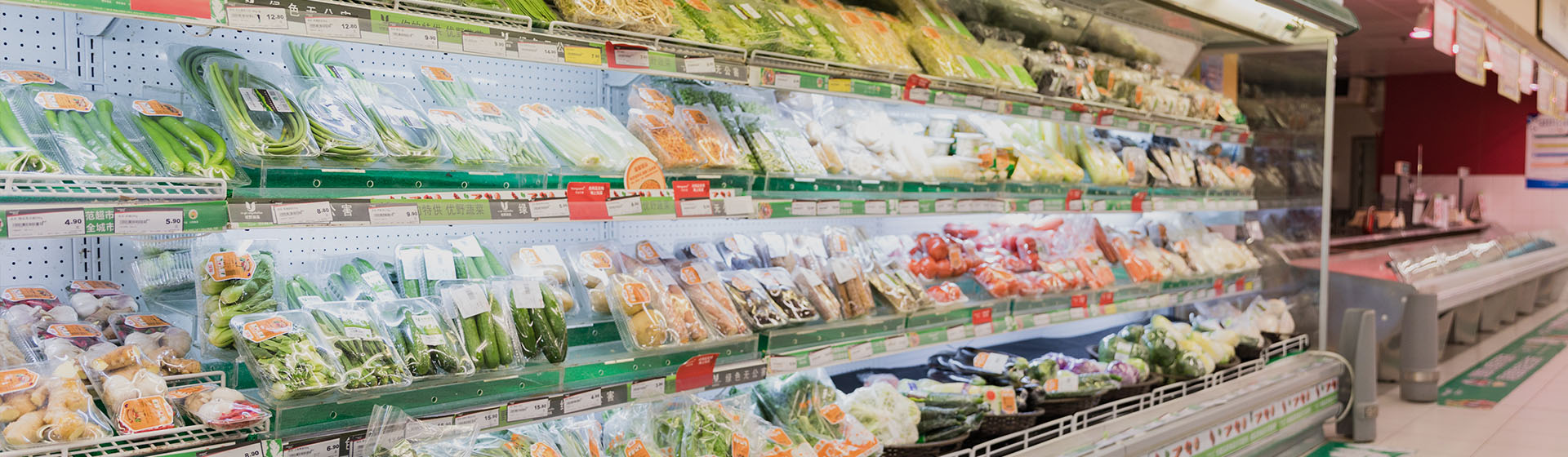
In commercial environments, refrigeration equipment must operate continuously and reliably. A glass door upright fridge is not only used for storage but also plays a key role in product display and customer engagement. Proper maintenance ensures consistent cooling performance, reduces energy consumption, and extends the service life of the unit.
For B2B operators such as supermarkets, cafes, and convenience stores, establishing a structured maintenance routine is essential to avoid costly downtime and product loss.
What Is a Glass Door Upright Fridge and Why Maintenance Matters
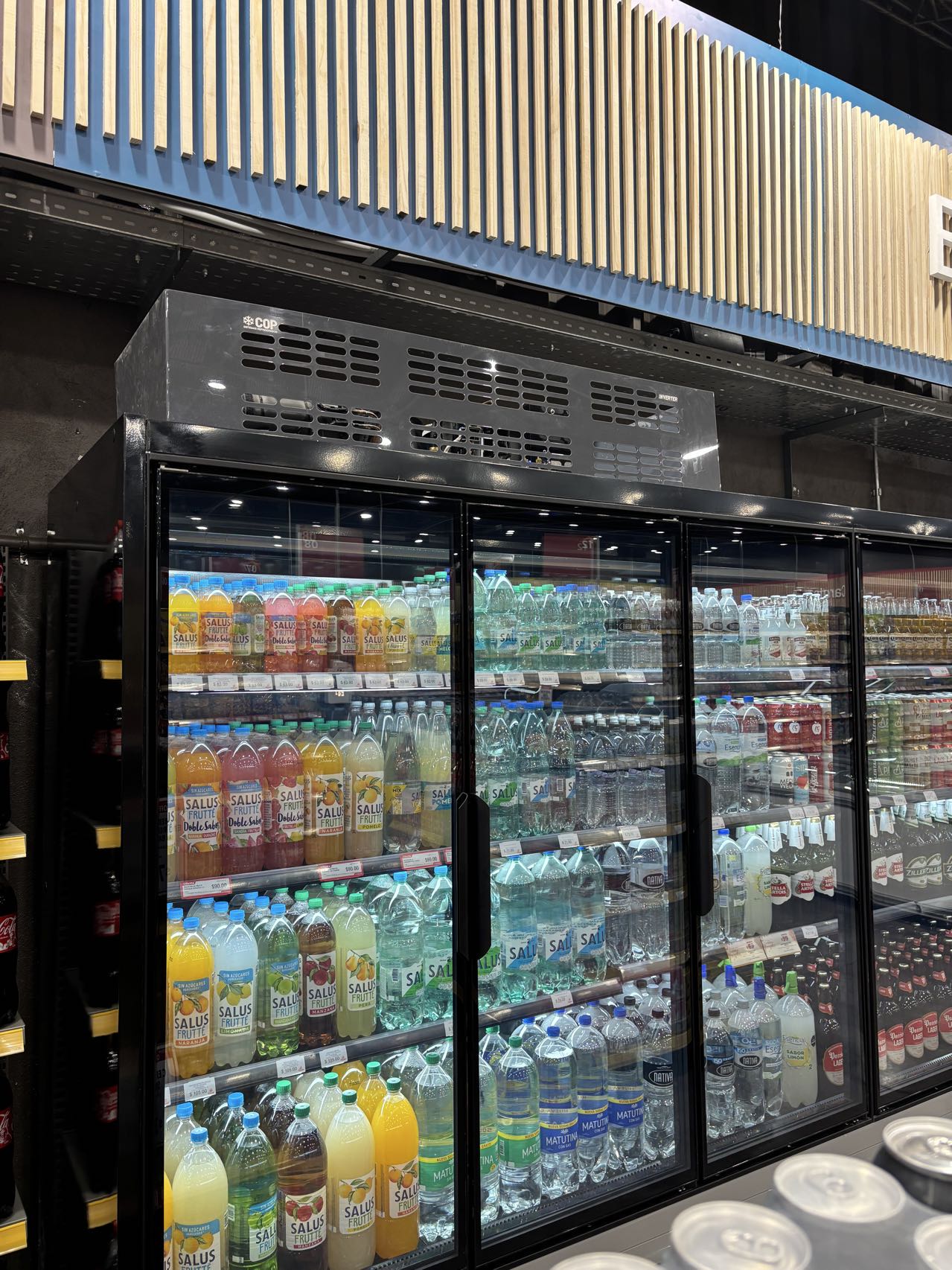
A glass door upright fridge is a commercial refrigeration unit designed with transparent doors, allowing customers to view products without opening the cabinet. It is widely used for beverages, dairy products, desserts, and other perishable goods.
Because these units are frequently opened and operate around the clock, they are more susceptible to temperature fluctuations, dust accumulation, and component wear. Without proper maintenance, performance declines quickly, leading to higher energy costs and potential equipment failure.
Key Benefits of Regular Maintenance
Implementing a consistent maintenance strategy delivers multiple operational advantages.
● Ensures stable temperature for food safety and product quality
● Reduces energy consumption and operating costs
● Extends equipment lifespan and minimizes replacement frequency
● Prevents unexpected breakdowns and business interruptions
● Maintains clean and professional product presentation
These benefits directly impact profitability and customer satisfaction in retail environments.
Cleaning and Sanitizing Best Practices
Routine cleaning is the foundation of proper fridge maintenance. It not only improves hygiene but also supports efficient cooling performance.
● Clean interior surfaces weekly using mild detergent and warm water
● Remove and wash shelves, trays, and drawers to prevent residue buildup
● Defrost units regularly if they are not frost-free
● Clean glass doors and exterior surfaces with non-abrasive cleaners
● Sanitize internal surfaces periodically using food-safe disinfectants
Keeping the unit clean prevents odors, bacterial growth, and airflow obstruction.
Temperature Monitoring and Calibration
Temperature stability is critical for preserving perishable goods.
● Use a dedicated refrigerator thermometer for accurate monitoring
● Check temperature levels daily to ensure consistency
● Calibrate the thermostat regularly to maintain the correct range
● Avoid overloading the fridge, which can disrupt airflow
Maintaining the recommended temperature range ensures both product safety and regulatory compliance.
Door Seal Inspection and Maintenance
Door seals (gaskets) are essential for maintaining internal temperature and energy efficiency.
● Inspect seals monthly for cracks, wear, or deformation
● Clean seals regularly to remove dirt and grease
● Test sealing performance using a paper or currency note
● Replace damaged seals promptly to prevent cold air leakage
A well-maintained seal reduces compressor workload and improves efficiency.
Condenser Coil Cleaning for Optimal Performance
Condenser coils play a critical role in heat dissipation. When they are dirty, cooling efficiency drops significantly.
● Turn off and unplug the unit before cleaning
● Locate coils at the back or bottom of the fridge
● Use a vacuum or soft brush to remove dust and debris
● Clean coils at least twice a year or more frequently in dusty environments
Regular coil maintenance prevents overheating and extends compressor life.
Recommended Maintenance Schedule
Establishing a routine maintenance plan helps ensure consistent performance.
● Interior cleaning: weekly
● Exterior cleaning: every two weeks
● Defrosting: monthly (if applicable)
● Sanitizing: every 3 months
● Door seal inspection: monthly
● Condenser coil cleaning: every 6 months
Following a structured schedule minimizes the risk of unexpected failures.
Common Mistakes to Avoid
Avoiding improper practices is just as important as following maintenance routines.
● Ignoring temperature fluctuations
● Using harsh or abrasive cleaning agents
● Overloading shelves and blocking airflow
● Skipping condenser coil cleaning
● Delaying replacement of worn-out seals
These mistakes can reduce efficiency and shorten equipment lifespan.
How Proper Maintenance Supports Business Efficiency
A well-maintained glass door upright fridge contributes directly to operational success.
● Reduces product spoilage and inventory loss
● Ensures consistent product quality
● Enhances visual merchandising and customer trust
● Lowers long-term maintenance and energy costs
● Improves overall store efficiency
For B2B businesses, this translates into better ROI and smoother daily operations.
Conclusion
Maintaining a glass door upright fridge is not just a technical requirement—it is a strategic business practice. Regular cleaning, temperature monitoring, seal inspection, and condenser maintenance all play a vital role in ensuring optimal performance.
By implementing a structured maintenance routine, businesses can extend equipment lifespan, reduce costs, and maintain high standards of food safety and presentation.
FAQ
1. How often should a glass door upright fridge be cleaned?
Interior cleaning should be done weekly, while exterior cleaning can be performed every two weeks.
2. What is the ideal temperature range?
Typically between 1°C and 4°C, depending on the stored products.
3. Why are door seals important?
They prevent cold air leakage, improve energy efficiency, and maintain stable temperatures.
4. How often should condenser coils be cleaned?
At least twice a year, or more frequently in dusty environments.
Post time: Mar-26-2026


