
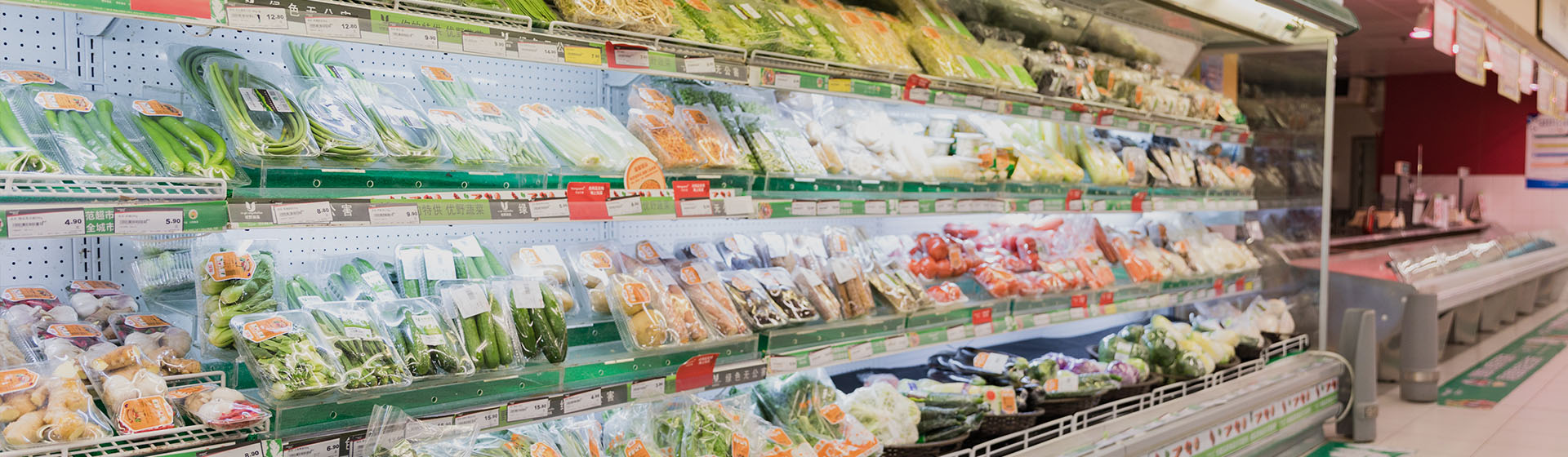
Glass-door upright fridges are a crucial investment for retail businesses looking to efficiently store and display perishable goods. These fridges not only provide a visually appealing way to showcase products but also help maintain optimal storage conditions. In the competitive retail landscape, maximizing product visibility, maintaining freshness, and improving energy efficiency are key factors that influence customer satisfaction and sales. In this comprehensive guide, we will explore the best practices, essential tips, and strategies for retail success when utilizing glass-door upright fridges.
Understanding the Importance of Glass-Door Upright Fridges
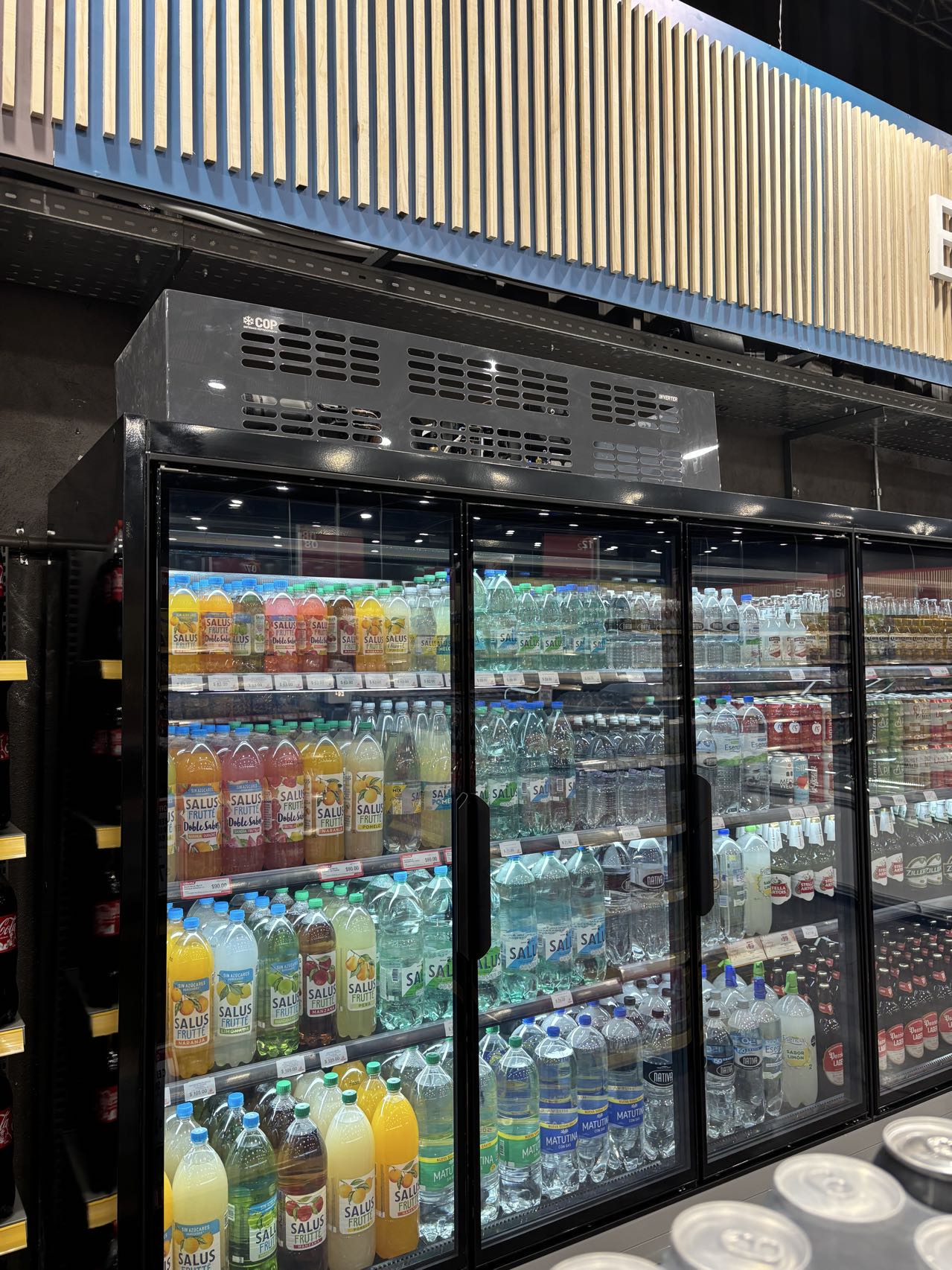
Glass-door upright fridges are specifically designed for displaying food and beverages in commercial settings. They combine functionality and visual appeal, making them a popular choice for supermarkets, convenience stores, cafes, and specialty shops. The transparent doors allow customers to see the products without opening the fridge, which reduces cold air loss and helps maintain a stable internal temperature.
Key advantages include:
● Improved product visibility to encourage impulse purchases
● Reduced energy consumption due to minimal door opening
● Easy access for both customers and staff
● Enhanced organization for various product categories
Retailers increasingly recognize that a well-designed glass-door upright fridge not only stores products efficiently but also serves as a merchandising tool that elevates the overall shopping experience.
Benefits of Glass-Door Upright Fridges
Investing in a high-quality glass-door upright fridge provides numerous benefits:
● Enhanced Product Visibility: Transparent doors and interior lighting showcase your products effectively, making it easier for customers to browse and select items.
● Energy Efficiency and Temperature Control: Advanced compressors, LED lighting, and precise thermostats ensure stable temperatures while reducing energy costs.
● Space-Saving Design: Vertical configurations allow for maximum storage capacity without taking up excessive floor space, which is crucial for smaller retail environments.
● Easy Customer Access: Products are easily reachable, reducing handling time for both customers and staff.
● Reduced Product Waste: Stable temperatures and proper airflow help preserve perishable goods for longer, minimizing spoilage and waste.
By leveraging these benefits, retail businesses can enhance both operational efficiency and customer satisfaction.
Factors to Consider When Choosing a Glass-Door Upright Fridge
Selecting the right glass-door upright fridge is essential to maximize its benefits and ensure long-term performance. Retailers should evaluate several key factors before making a purchase:
1. Size and Capacity Requirements
Determine the amount of storage space needed based on the number of products and types of perishable goods you plan to display. A fridge that is too small can result in overcrowding, while an overly large unit may waste space and energy.
2. Energy Efficiency Ratings
Choose fridges with high energy efficiency certifications or ratings. Energy-efficient models reduce electricity costs and support sustainability initiatives, an increasingly important consideration for modern retail businesses.
3. Temperature Control and Uniformity
Look for models with precise temperature controls to ensure that all stored products remain within the recommended temperature range. Consistent cooling prevents spoilage and maintains product quality.
4. Customization Options for Branding and Merchandising
Many modern glass-door upright fridges offer customizable branding panels, adjustable shelves, and LED lighting that can be tailored to highlight specific products or promotions. This enhances your store’s visual identity and merchandising strategy.
Choosing the Right Placement for Your Glass-Door Upright Fridge
Proper placement of your glass-door upright fridge is critical for attracting customers and improving product visibility. Effective positioning can also reduce energy consumption by minimizing frequent door openings.
Tips for Placement:
● Place the fridge near high-traffic areas to encourage impulse purchases.
● Ensure proper ventilation around the unit to maintain efficient cooling performance.
● Position the fridge at eye level so that products are easily seen and accessible.
● Avoid placing the fridge near heat sources such as ovens or direct sunlight, which can impact energy efficiency and cooling stability.
Maintaining and Cleaning Your Glass-Door Upright Fridge
Regular maintenance ensures your fridge performs efficiently, prolongs its lifespan, and guarantees food safety.
Maintenance Tips:
● Clean the Interior and Exterior: Use mild soap and water to wipe down shelves, walls, and glass surfaces.
● Defrost and Sanitize: Periodically defrost the unit (if not frost-free) and sanitize interior surfaces to prevent bacterial growth.
● Inspect Door Seals: Check for worn or damaged gaskets to maintain a tight seal and prevent cold air loss. Replace as needed.
● Monitor Temperature: Use a thermometer to verify internal temperatures, adjusting the thermostat as necessary for optimal storage.
Routine maintenance reduces operational costs, improves energy efficiency, and ensures consistent product quality, making it a critical practice for any retail business.
FAQ
Q1: Can glass-door upright fridges help reduce energy costs?
A: Yes, these fridges are designed to be energy-efficient, with features like LED lighting, precise temperature control, and minimal air loss when doors are closed.
Q2: Are glass-door upright fridges suitable for all perishable products?
A: Yes, they are versatile enough to store beverages, dairy, fruits, vegetables, pre-packaged meals, and other perishable items.
Q3: How often should I defrost my glass-door upright fridge?
A: Frequency depends on usage, but defrosting every few months is recommended to prevent ice buildup and maintain efficiency.
Q4: What factors influence the lifespan of a glass-door upright fridge?
A: Regular cleaning, proper maintenance, correct placement, and avoiding overloading are essential to prolonging the fridge’s operational life.
Conclusion and Product Selection Recommendations
In conclusion, glass-door upright fridges are indispensable for retail businesses aiming to enhance product visibility, improve energy efficiency, and maintain the freshness of perishable goods. By considering key factors such as size, energy efficiency, temperature control, and placement, retailers can maximize the benefits of these fridges while supporting operational efficiency and customer satisfaction.
Investing in a high-quality glass-door upright fridge, combined with proper placement, regular maintenance, and strategic merchandising, can transform your retail environment, attract more customers, and boost overall sales. A well-maintained fridge is not only a storage solution but also a marketing tool that enhances the shopping experience and drives retail success.
Post time: Jan-09-2026


