
Introduction
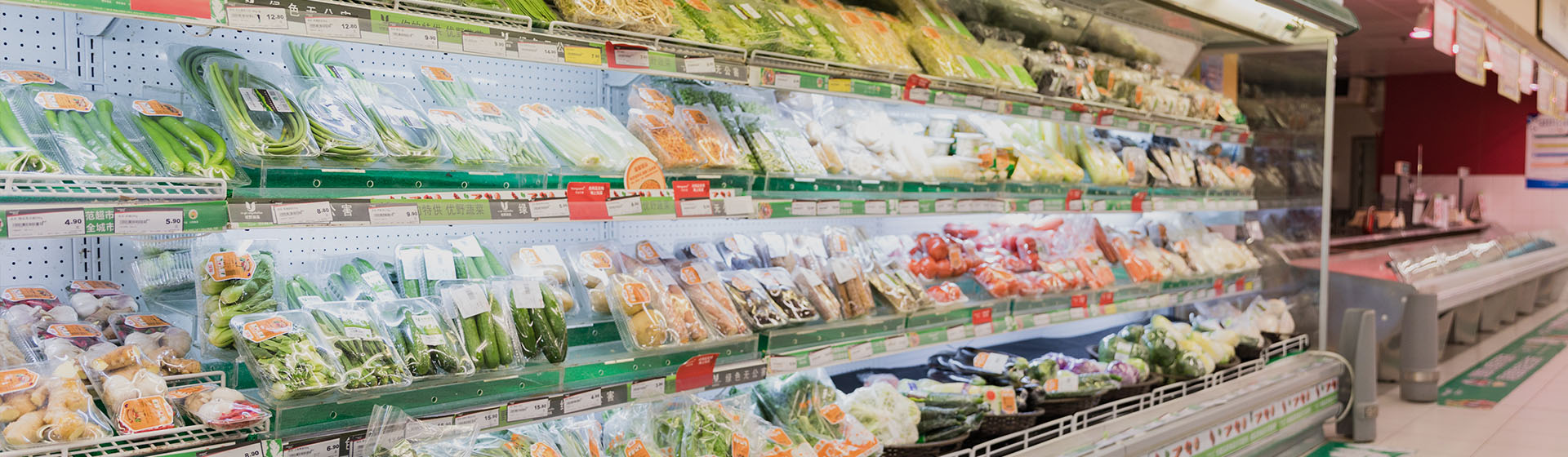
In retail businesses such as supermarkets, convenience stores, and cafes, maintaining the freshness of perishable items is crucial for both customer satisfaction and product longevity. Glass-door upright fridges have become essential appliances in these environments due to their ability to store items at optimal temperatures while keeping them clearly visible to customers. These refrigerators not only help preserve food quality but also play a significant role in the overall shopping experience by making products easily accessible. In this article, we will explore the best tips for maximizing the efficiency, effectiveness, and longevity of glass-door upright fridges, ensuring that retailers get the most out of these vital tools.
Understanding Glass-Door Upright Fridges
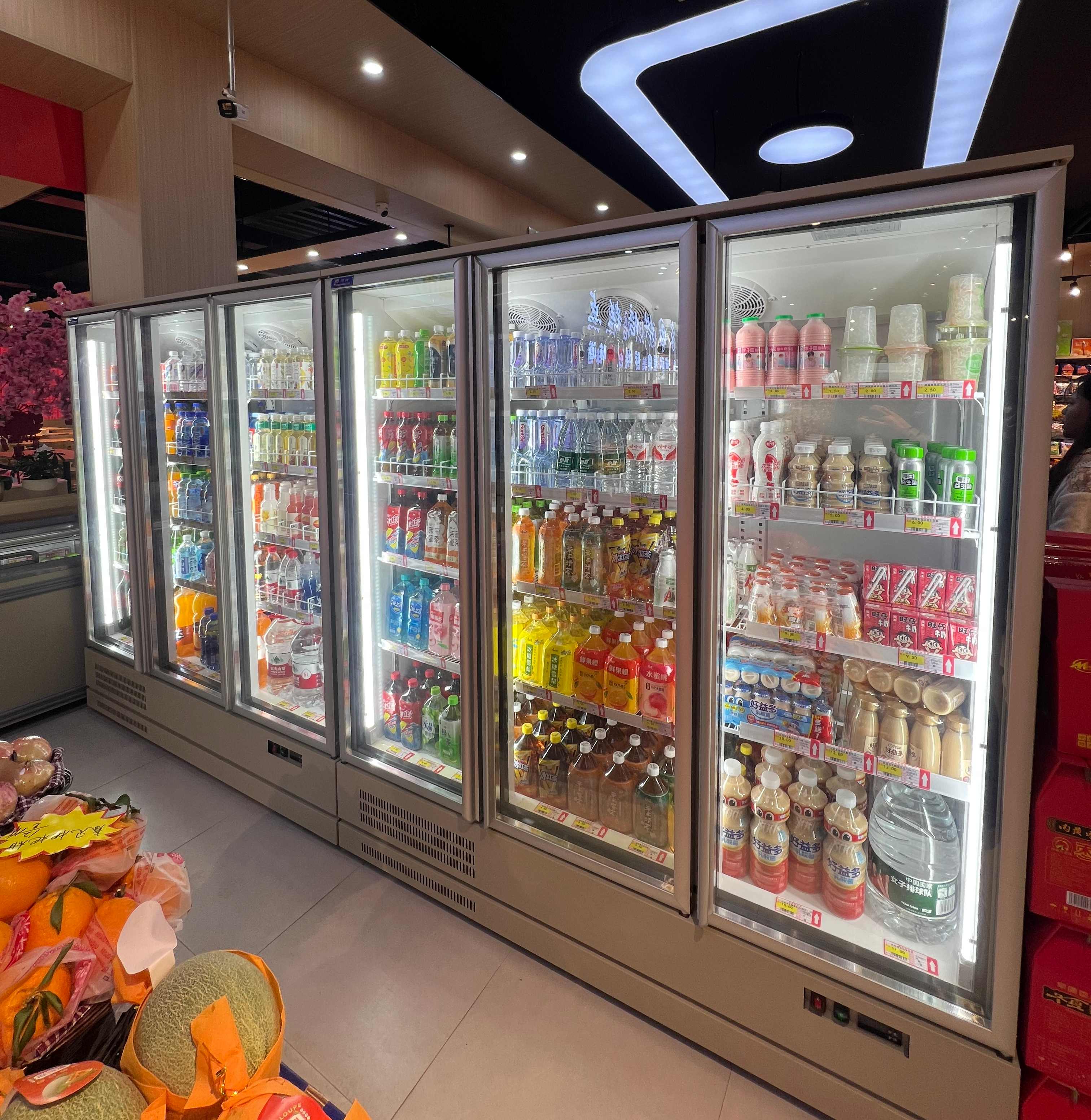
Before diving into the tips, it is important to understand what glass-door upright fridges are and how they work. These refrigerators are vertical units with transparent glass doors that allow for clear visibility of the items stored inside. Unlike traditional refrigerators with solid doors, glass-door upright fridges are designed to showcase products in a visually appealing way while maintaining temperature control. They are commonly used in retail environments where quick access to chilled goods is essential, such as in supermarkets for dairy, beverages, ready-to-eat meals, and even prepackaged fresh produce.
The transparent design not only boosts product visibility but also attracts customers by displaying items in an organized, accessible manner. However, to ensure they function efficiently and maintain food quality, several key factors must be considered.
Best Tips for Effortless Retail Coolers
1. Proper Placement
The location of your glass-door upright fridge is crucial for its performance and longevity. Strategic placement helps the fridge work efficiently and reduces unnecessary energy consumption.
- Avoid heat sources: Keep the fridge away from direct sunlight, ovens, or heating vents, as exposure to heat can cause the unit to overwork in order to maintain the internal temperature, leading to higher energy consumption.
- Ensure proper ventilation: For optimal cooling, make sure that the fridge has ample space around it for air circulation. Adequate ventilation helps the appliance cool efficiently and prevents overheating.
Consider placing your fridge in high-traffic areas where customers can easily access it, ensuring it serves both a functional and visual purpose.
2. Temperature Control
Maintaining the right temperature is essential for preserving the quality and freshness of products stored in glass-door upright fridges. Setting the correct temperature helps prevent food spoilage and ensures that customers are receiving safe and fresh products.
- Ideal temperature range: Keep the fridge temperature between 34°F and 40°F (1°C to 4°C). This range is optimal for perishable items like dairy, meats, and prepared foods, preventing them from spoiling while also helping to reduce energy consumption.
- Regular monitoring: Use a thermometer to regularly check the temperature inside the fridge. Digital thermostats are often available in modern models, allowing for more precise control. Adjust the settings as necessary, especially if the door is frequently opened or during high ambient temperatures.
3. Regular Maintenance
Proper maintenance ensures the glass-door upright fridge remains in peak operating condition, ultimately prolonging its lifespan and reducing the likelihood of breakdowns. Regular cleaning and upkeep are essential for maintaining energy efficiency and food safety.
- Cleaning: Clean both the interior and exterior of the fridge regularly using a mild detergent and water. Bacteria can build up on surfaces that aren’t cleaned properly, which can affect the quality of stored products.
- Door seals: Inspect the door seals frequently for signs of wear and tear. Damaged or dirty seals can allow warm air to leak inside, compromising cooling efficiency. Replace seals if necessary to maintain an airtight closure.
- Defrosting: Some models may require manual defrosting. Ensure you check and clean the freezer compartment, if applicable, to avoid ice buildup, which can interfere with temperature regulation.
4. Organization and Display
Efficient organization of products inside the fridge not only improves storage capacity but also enhances the overall customer experience. The way products are displayed in the fridge can directly influence customer purchasing decisions, particularly in a self-service environment.
- Group similar items: Organize items by category—dairy, beverages, prepared meals, and so on. This helps customers easily navigate the fridge and find what they need.
- Label shelves: Clearly label different sections or shelves to help customers quickly locate products. This is particularly useful in busy retail settings where customers appreciate fast and easy access to goods.
- Rotate stock: Implement the “first in, first out” (FIFO) method to ensure that older products are sold first, reducing the chances of expired products being left on the shelves. This also helps minimize waste and improve inventory management.
5. Energy Efficiency
Optimizing the energy efficiency of your glass-door upright fridge is crucial for reducing operating costs and supporting sustainable business practices. Energy-efficient models consume less electricity while maintaining the same level of performance, and some models even feature smart energy-saving functions.
- Avoid overloading: Do not overload the fridge, as this can obstruct airflow and strain the compressor, which can lead to higher energy consumption. Ensure that air can circulate freely inside the fridge.
- Invest in energy-efficient models: Many modern glass-door upright fridges come with energy-saving features, such as LED lighting, high-efficiency compressors, and advanced insulation. These features can significantly reduce energy usage and lower electricity bills.
- Optimize door opening habits: Frequent door openings lead to cold air loss and force the fridge to use more energy to restore optimal temperatures. Train staff to limit door openings and ensure that customers quickly close the door after use.
Question-and-Answer Section
Q: Can glass-door upright fridges be customized to suit specific needs?
A: Yes, many manufacturers offer customization options for glass-door upright fridges, allowing businesses to adjust the design, size, shelving configuration, and other features to meet their unique requirements.
Q: How can I prevent condensation buildup on the glass doors of the fridge?
A: To reduce condensation, ensure that the door seals are tight and free from debris. Additionally, controlling the humidity levels in the surrounding environment can help prevent condensation on the glass doors. Some modern fridges come with anti-fog glass to further reduce condensation and improve visibility.
Conclusion
Glass-door upright fridges are essential equipment for retail businesses seeking to showcase products while keeping them fresh and accessible to customers. By following the best tips for placement, temperature control, maintenance, organization, and energy efficiency, businesses can maximize the performance and effectiveness of their fridges. These steps will not only improve the customer experience but also help optimize energy usage and reduce operational costs.
When selecting a glass-door upright fridge, it is important to prioritize energy efficiency, product visibility, and maintenance ease to ensure that the appliance serves its purpose effectively. Whether you run a supermarket, convenience store, or café, choosing the right fridge for your store will enhance your merchandising capabilities and improve the overall shopping experience for customers.
By investing in high-quality and energy-efficient glass-door upright fridges, you can ensure that your products are well-preserved, easily accessible, and attractively displayed—leading to increased sales and customer satisfaction.
Post time: Mar-23-2026


