
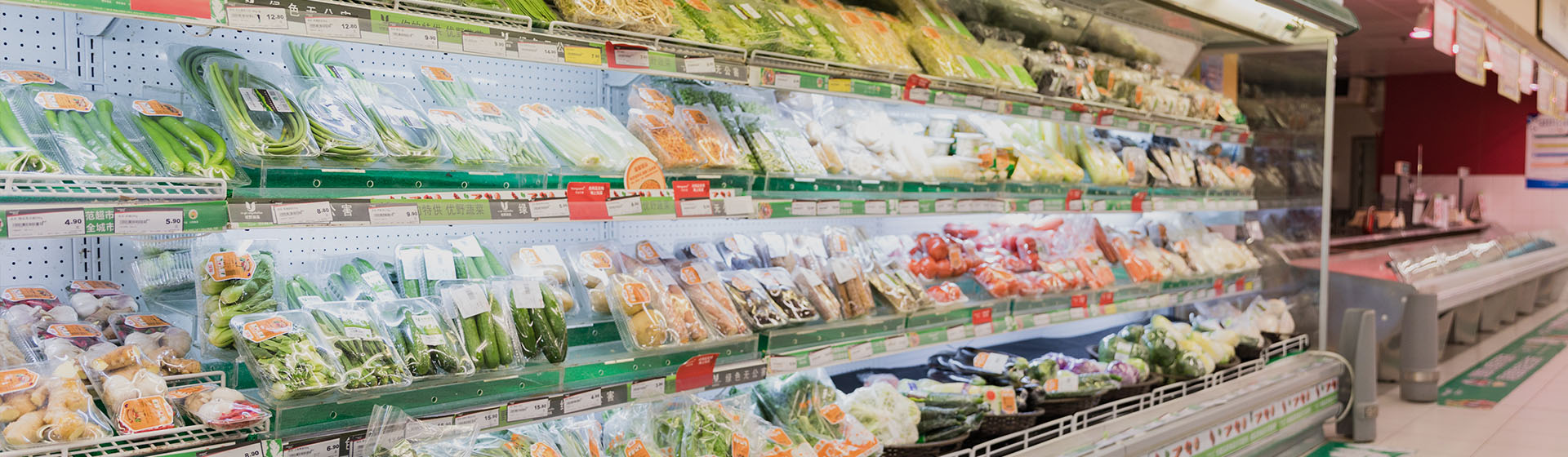
In the food and beverage industry, display and storage solutions are critical for ensuring product quality, maximizing sales, and enhancing customer experience. Among these solutions, the glass door cooler stands out as a versatile and energy-efficient option for businesses ranging from convenience stores to restaurants and supermarkets. Understanding the key features, applications, and benefits of glass door coolers is essential for B2B buyers, procurement managers, and suppliers who aim to make informed purchasing decisions.
Glass door coolers are not only a practical storage solution but also a marketing tool. By providing visibility of products while maintaining optimal refrigeration, these coolers help increase product appeal, encourage impulse purchases, and maintain inventory quality.
What is a Glass Door Cooler?
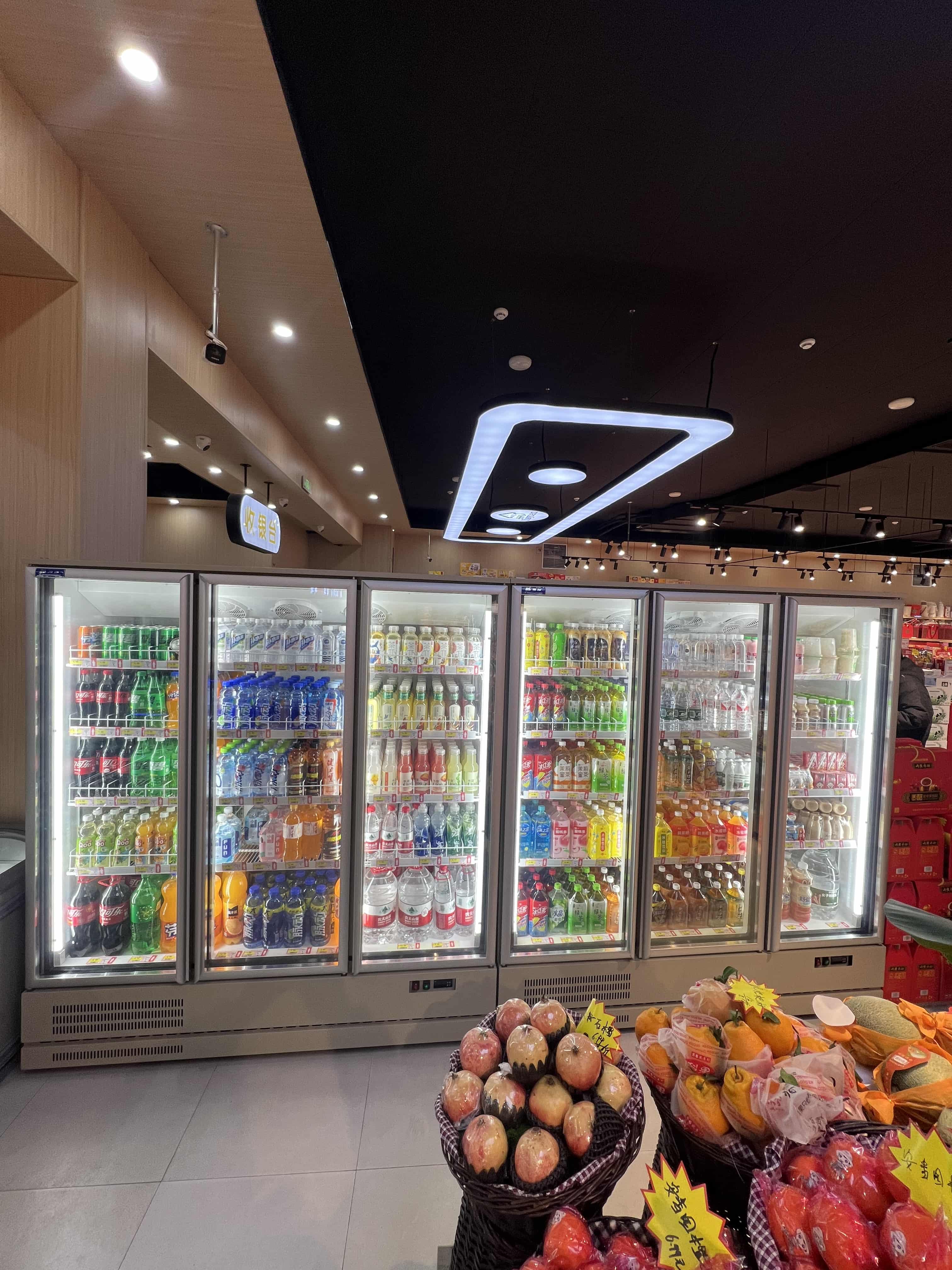
A glass door cooler is a refrigerated display unit with transparent doors, typically used to store and showcase beverages, dairy products, or perishable items. Unlike traditional opaque coolers, glass door models allow customers to view products without opening the door, which reduces energy consumption and improves temperature stability.
Key characteristics of glass door coolers include:
● Transparent doors: Enhance product visibility and boost sales.
● Energy efficiency: Minimizes cold air loss during use.
● Adjustable shelving: Accommodates various product sizes.
● Durable construction: Often made with stainless steel or high-quality materials to withstand daily commercial use.
These features make glass door coolers an ideal choice for businesses that prioritize both functionality and presentation.
Applications of Glass Door Coolers
Understanding where and why glass door coolers are used helps B2B buyers select the right product for their business needs. Common applications include:
Convenience Stores and Supermarkets
● Displaying beverages, dairy, and ready-to-eat items.
● Allowing customers to view products easily, increasing impulse purchases.
● Maintaining consistent temperature for perishable goods.
Restaurants and Cafés
● Storing cold drinks, desserts, and ingredients for quick access.
● Enhancing visual appeal of products to encourage customer selection.
● Supporting inventory organization with adjustable shelving.
Hotels and Hospitality Industry
● Offering beverages and snacks in guest lounges or minibars.
● Providing easy visibility for self-service areas.
● Reducing energy costs by minimizing door openings.
Corporate and Industrial Canteens
● Storing large quantities of chilled drinks or ready-to-eat meals.
● Facilitating quick access for employees or visitors.
● Improving efficiency with organized and visible storage.
Benefits of Glass Door Coolers
Choosing a glass door cooler for your business comes with multiple advantages:
● Enhanced Product Visibility: Transparent doors showcase products, driving sales and customer engagement.
● Energy Efficiency: Reduced cold air loss translates into lower electricity bills.
● Temperature Stability: Keeps products at consistent temperatures, preserving freshness and quality.
● Space Optimization: Adjustable shelves maximize storage capacity.
● Durability and Reliability: Designed for commercial environments, resistant to frequent use.
● Marketing Value: Serves as a display unit that attracts customers and promotes brand visibility.
These benefits make glass door coolers a smart investment for businesses seeking both operational efficiency and enhanced customer experience.
Key Features to Consider
When selecting a glass door cooler, B2B buyers should evaluate several factors to ensure optimal performance:
● Size and Capacity: Determine the required volume based on product inventory and store layout.
● Energy Rating: Choose models with high energy efficiency certifications to reduce operating costs.
● Door Type: Single, double, or sliding doors, depending on space availability and usage frequency.
● Refrigeration System: Options include forced air cooling or static cooling, depending on product type.
● Lighting: LED lighting improves product visibility and reduces heat output.
● Maintenance and Service: Consider ease of cleaning, availability of spare parts, and service support.
Evaluating these features ensures that the cooler meets your business needs and delivers long-term value.
Maintenance Tips for Glass Door Coolers
Proper maintenance extends the lifespan of glass door coolers and ensures consistent performance:
● Clean doors and interior surfaces regularly to maintain hygiene and visibility.
● Inspect door seals and gaskets to prevent cold air leakage.
● Defrost the cooler periodically to avoid ice buildup.
● Check condenser coils and filters for dust and debris.
● Schedule professional maintenance for refrigeration components to prevent unexpected downtime.
Regular maintenance minimizes operational issues and protects your investment.
Conclusion
Glass door coolers play a pivotal role in modern food and beverage operations. By combining refrigeration efficiency with product visibility, they serve both functional and marketing purposes. Understanding the key features, applications, and benefits helps B2B buyers make informed decisions, optimizing inventory management, reducing energy costs, and enhancing customer experience. From convenience stores to restaurants and corporate canteens, glass door coolers are essential equipment that ensures product quality while boosting sales potential.
FAQ
1. What types of businesses benefit from glass door coolers?
Businesses such as convenience stores, supermarkets, restaurants, cafés, hotels, and corporate canteens can all benefit from glass door coolers.
2. How do glass door coolers save energy compared to traditional coolers?
Transparent doors allow customers to see products without opening the door, reducing cold air loss and lowering electricity consumption.
3. What should I consider when choosing a glass door cooler?
Consider size, energy rating, door type, refrigeration system, lighting, and maintenance requirements to select the most suitable model.
4. How often should glass door coolers be maintained?
Regular cleaning of doors and interior, inspection of seals and gaskets, and professional maintenance of refrigeration components are recommended to ensure optimal performance.
Post time: Dec-10-2025


