
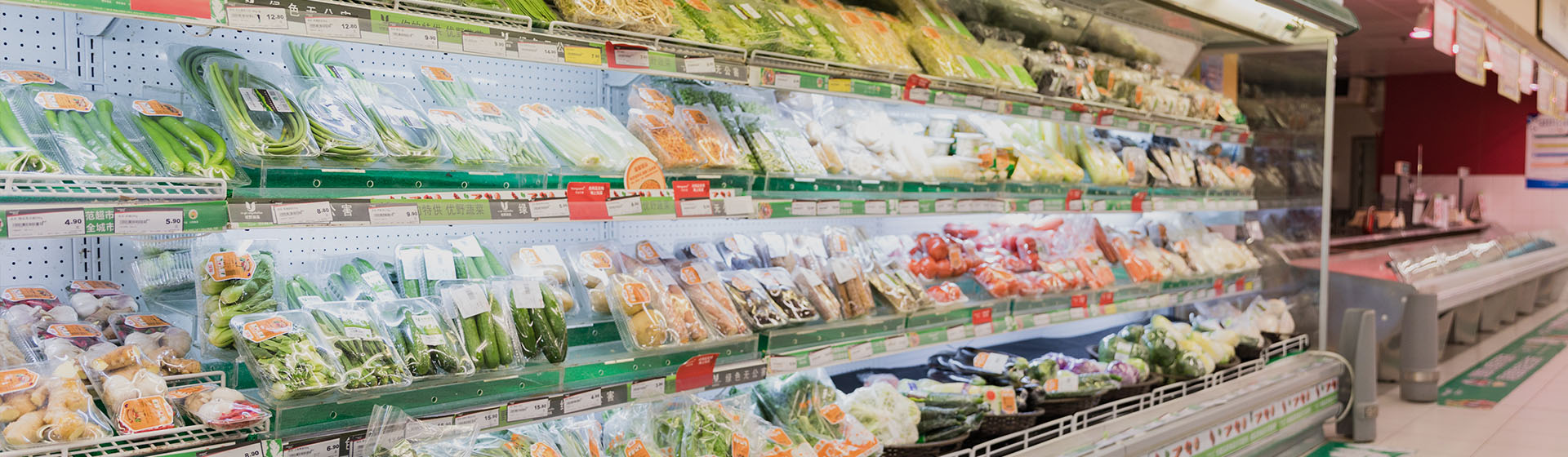
In today’s modern food retail and restaurant industry, product freshness directly impacts customer satisfaction and business profitability. For supermarkets, convenience stores, restaurants, and catering businesses, a Fresh Food Cabinet is not just a refrigeration unit—it is a vital tool for improving operational efficiency, reducing food waste, and enhancing brand image.
Investing in the right Fresh Food Cabinet helps businesses achieve multiple goals: maintain product freshness, optimize inventory management, increase sales conversion, and reduce energy consumption and operational costs. This article explores the features, advantages, selection criteria, and operational recommendations for Fresh Food Cabinets, helping B2B buyers make informed purchasing decisions.
What is a Fresh Food Cabinet
A Fresh Food Cabinet is a refrigerated unit specifically designed for storing and displaying fresh food items. Unlike traditional refrigerators, it combines storage and display functionality, making products more accessible and visually appealing.
Common applications include
● Fresh fruits and vegetables
● Dairy products and beverages
● Pre-packaged meals, sandwiches, and salads
● Baked goods and refrigerated desserts
With transparent doors and LED lighting, a Fresh Food Cabinet can attract customer attention, boost impulse purchases, and ensure food remains at safe temperatures.
Key Features of a Fresh Food Cabinet
Modern Fresh Food Cabinets come with a variety of smart features that make them more than just storage units—they are operational management tools
● Precise Temperature Control – Digital temperature systems maintain optimal freshness for different food items
● Humidity Regulation – Extends the shelf life of high-moisture foods such as fruits and vegetables
● Modular Shelving Design – Adjustable storage space accommodates products of varying sizes
● Energy-Efficient Design – High-efficiency compressors and insulation reduce electricity costs
● Easy-to-Clean Materials – Stainless steel and anti-corrosion surfaces ensure long-term hygiene and durability
These features not only guarantee food safety but also help businesses manage inventory and displays more efficiently.
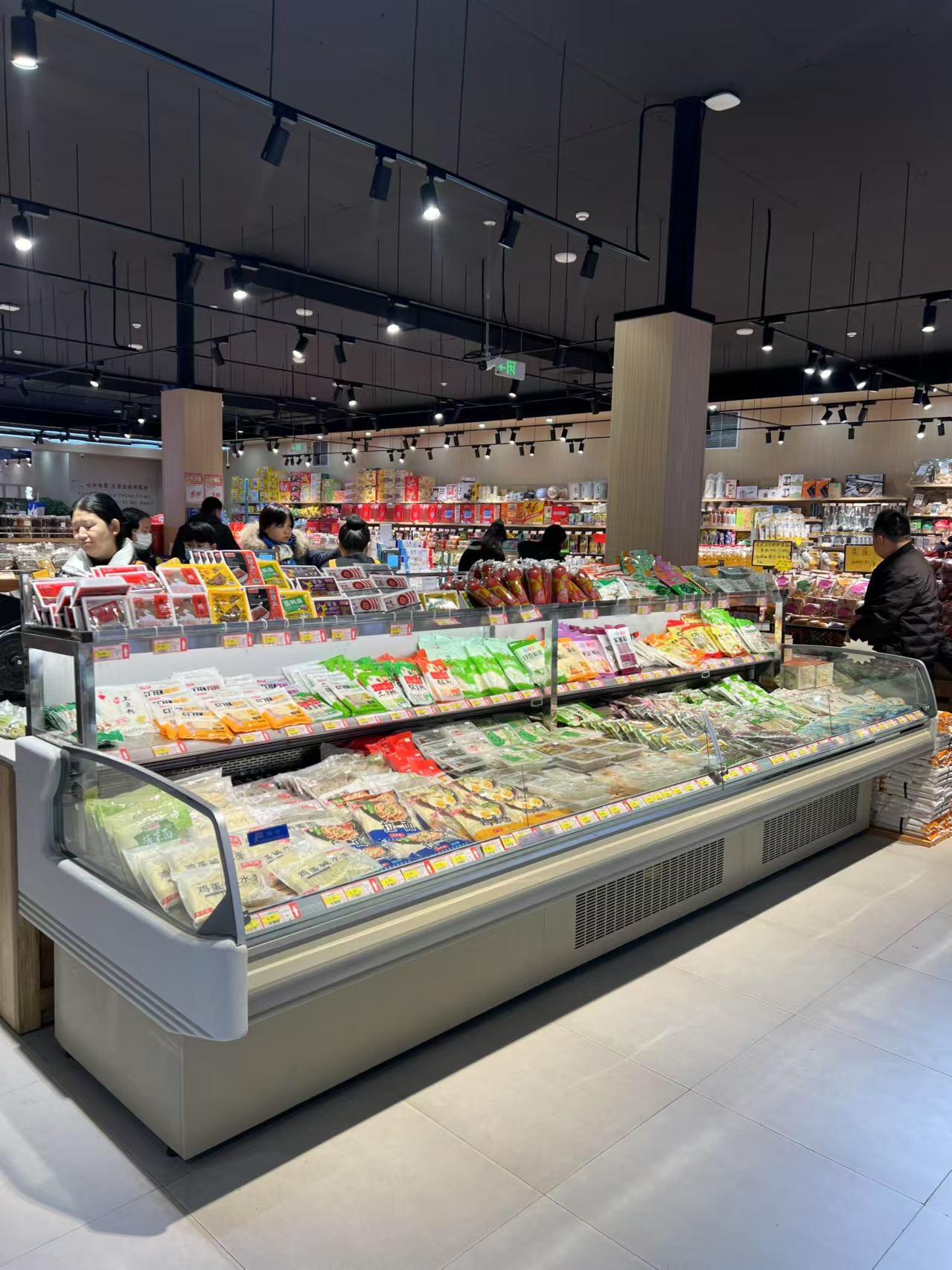
Business Benefits of Investing in a Fresh Food Cabinet
Choosing the right Fresh Food Cabinet provides B2B businesses with multiple advantages
● Enhanced Product Visibility – Transparent doors and LED lighting improve display appeal and drive sales
● Reduced Food Waste – Stable temperature and humidity extend shelf life and minimize spoilage
● Optimized Inventory Management – Easy access for staff speeds up replenishment and stock rotation
● Lower Operational Costs – Energy-efficient design reduces long-term electricity expenses
● Improved Customer Experience – Neatly displayed and fresh products increase customer satisfaction and loyalty
Additionally, flexible shelving and adjustable compartments allow businesses to rotate products seasonally, for promotions, or when introducing new items ●
How to Choose the Right Fresh Food Cabinet
When selecting a Fresh Food Cabinet, B2B buyers should consider several key factors
1. Capacity and Size
Choose a cabinet that matches inventory volume, product types, and available space to avoid wasted space or insufficient storage.
2. Temperature and Humidity Control
Different foods require different temperatures and humidity levels. Cabinets with adjustable settings offer greater versatility.
3. Design and Accessibility
Sliding doors, built-in layouts, and ergonomic designs improve staff efficiency and ensure customers can easily access products.
4. Maintenance Convenience
Removable shelves and easy-to-clean surfaces simplify daily maintenance, extend cabinet lifespan, and meet hygiene standards.
5. Brand Reputation and Support
Choose reliable brands that provide warranties and technical support to reduce risks and ensure long-term operational stability.
Operational and Maintenance Recommendations
To ensure long-term efficient operation of a Fresh Food Cabinet, businesses should follow these practices
● Proper Placement – Avoid direct sunlight or heat sources
● Regular Cleaning – Keep interior and exterior surfaces clean to prevent bacterial growth
● Temperature Monitoring – Regularly check digital controls to ensure food safety
● Staff Training – Train employees on proper replenishment, stock rotation, and cabinet operation to improve efficiency and reduce energy consumption
FAQ
Q1: What types of products are best suited for a Fresh Food Cabinet?
Fresh fruits, vegetables, dairy products, beverages, and pre-packaged meals that require consistent cooling and display visibility.
Q2: How can businesses reduce energy consumption of a Fresh Food Cabinet?
Select energy-efficient models, place cabinets away from heat sources, and regularly monitor temperature and humidity settings.
Q3: Can small stores or cafés use a Fresh Food Cabinet?
Yes. Compact cabinets are suitable for small shops or cafés while maintaining product freshness and improving display presentation.
Q4: What are the long-term benefits of investing in a Fresh Food Cabinet?
Reduced food waste, improved inventory turnover, enhanced product presentation, and increased customer satisfaction, all contributing to higher profitability.
Post time: Jan-14-2026


