
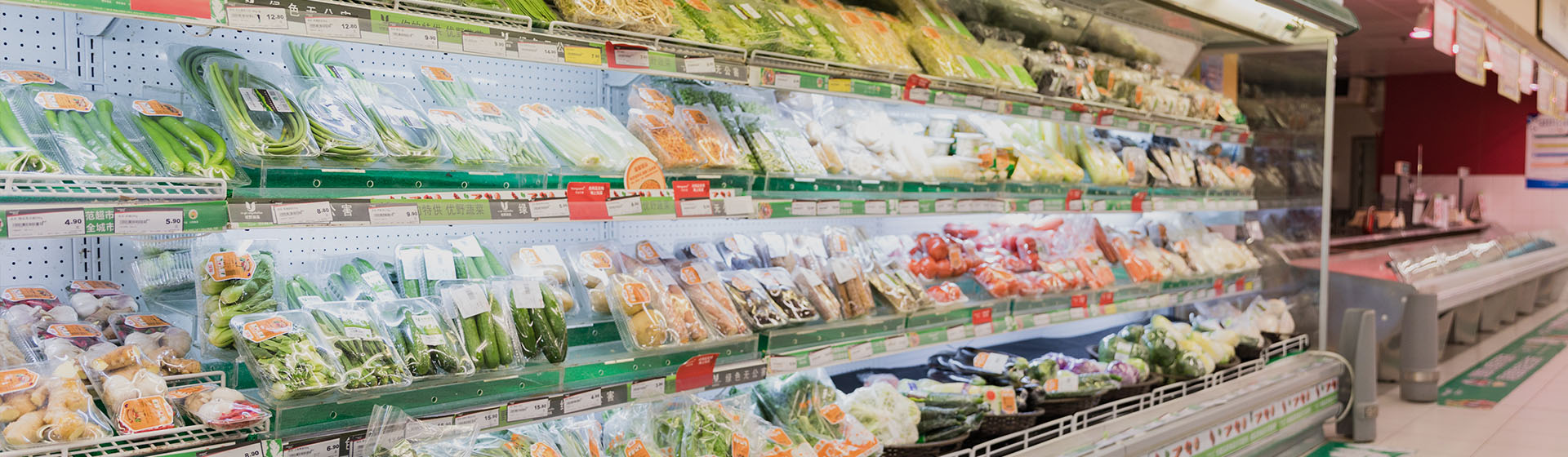
Fresh-food cabinets are essential for grocery stores aiming to maintain the quality, freshness, and safety of perishable products. They provide an ideal environment for storing items such as fruits, vegetables, dairy products, and meats at optimal temperatures, helping to preserve taste, nutritional value, and overall quality. Selecting the right fresh-food cabinet is crucial for ensuring longevity, minimizing spoilage, and enhancing customer satisfaction. This guide explores the main types of fresh-food cabinets, their key features, and top picks for grocery stores.
Understanding Fresh-Food Cabinets
Fresh-food cabinets, also called refrigerated display cases or chillers, are designed to store and showcase perishable food items in a commercial setting. Modern cabinets include features such as adjustable temperature controls, humidity regulation, and optimal airflow to maintain freshness and food safety. Using these cabinets properly can extend shelf life, improve presentation, and reduce the risk of foodborne illnesses.
Benefits of Fresh-Food Cabinets
● Extended Shelf Life: Maintains consistent temperatures to keep produce fresh for longer.
● Improved Presentation: Enhances visual appeal to encourage purchase decisions.
● Food Safety: Proper temperature and humidity prevent spoilage and contamination.
Key Features to Consider
When selecting fresh-food cabinets for your grocery store, consider these features:
● Temperature Control: Ensures different perishable items are stored at their ideal temperatures.
● Humidity Regulation: Maintains moisture content of fruits and vegetables to prevent drying.
● Energy Efficiency: Reduces operating costs while maintaining optimal storage conditions.
● Display Options: LED lighting, glass doors, or open shelving to showcase products effectively.
● Storage Capacity: Match cabinet size with the volume of produce to be displayed.
Types of Fresh-Food Cabinets
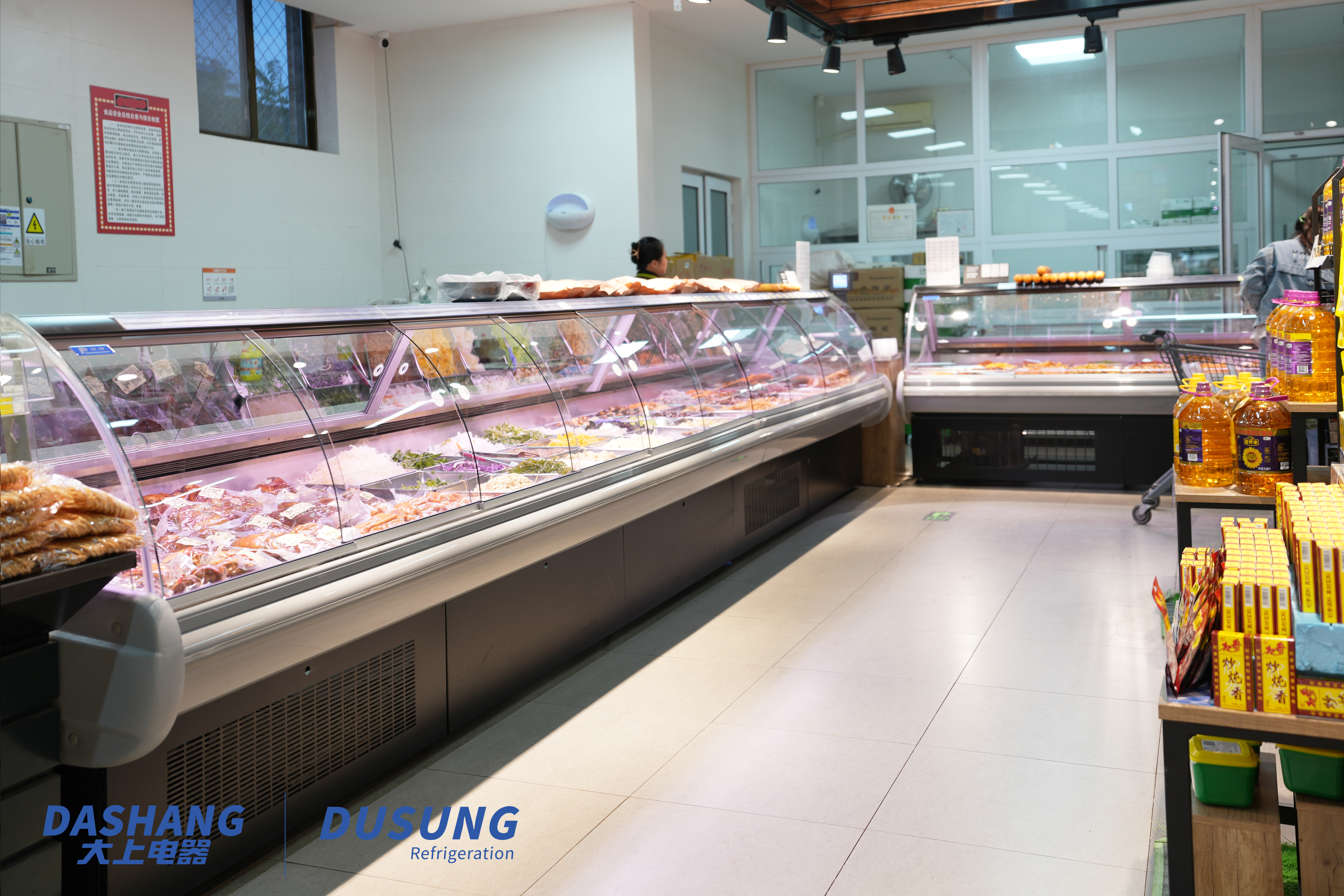
Understanding the main types of cabinets helps store owners choose the right solution for their layout and product mix.
● Open Multi-Tier Display Cabinets: Perfect for high-traffic areas; multiple shelves allow easy access and visibility of fruits, ready-to-eat items, and salads. Even airflow ensures uniform temperature.
● Glass-Door Upright Cabinets: Enclosed design minimizes temperature fluctuations; suitable for dairy, beverages, and packaged perishables. Adjustable shelves allow flexible storage.
● Horizontal Island Refrigerators: Large, accessible from all sides; ideal for bulk fruits, meats, or seasonal items. Maintains low temperature variations to extend freshness.
● Dual-Temperature Cabinets: Two separate zones in one unit; allows storage of mixed products (e.g., vegetables and cold drinks) while saving floor space. Each zone can be independently controlled.
Best Picks for Grocery Stores
While multiple brands offer reliable options, the following features can guide your selection:
● Cabinets with precise temperature and humidity control for sensitive items.
● Energy-efficient models to reduce operational costs.
● Flexible display options for maximum visual appeal.
● Units with sufficient storage capacity to match inventory levels.
These criteria ensure that the cabinets provide excellent performance, maintain product quality, and enhance the shopping experience.
Maintenance and Best Practices
● Regular Cleaning: Daily cleaning of shelves and interiors helps prevent bacterial growth.
● Quarterly Professional Checks: Ensure compressors, fans, and temperature controls operate efficiently.
● Monitor Temperature and Humidity: Regularly check sensors and adjust settings as needed.
● Organize Inventory: Rotate stock to reduce waste and maintain freshness.
Q&A Section
Q: Why is temperature control important in fresh-food cabinets?
A: Proper temperature ensures perishable items stay fresh, prevents spoilage, and reduces the risk of contamination.
Q: How often should fresh-food cabinets be cleaned and maintained?
A: Daily cleaning is recommended for interiors and shelves, with professional maintenance quarterly to ensure optimal operation.
Q: Can one cabinet store multiple types of products?
A: Yes, dual-temperature cabinets allow storing items with different temperature requirements in separate zones.
Q: How does energy efficiency impact store operations?
A: Energy-efficient cabinets reduce utility costs while maintaining proper storage conditions, which supports sustainability and profitability.
Conclusion
Choosing the right fresh-food cabinets is critical for grocery stores that want to preserve the quality, freshness, and presentation of perishable products. Understanding the types of cabinets, key features, and best practices helps store owners make informed decisions. Whether you select open multi-tier displays, glass-door uprights, horizontal islands, or dual-temperature cabinets, focusing on temperature control, humidity regulation, energy efficiency, and visual appeal ensures optimal performance. By investing in the right cabinets and maintaining them properly, grocery stores can enhance customer satisfaction, reduce food waste, and improve operational efficiency.
Post time: Dec-22-2025


