
Introduction
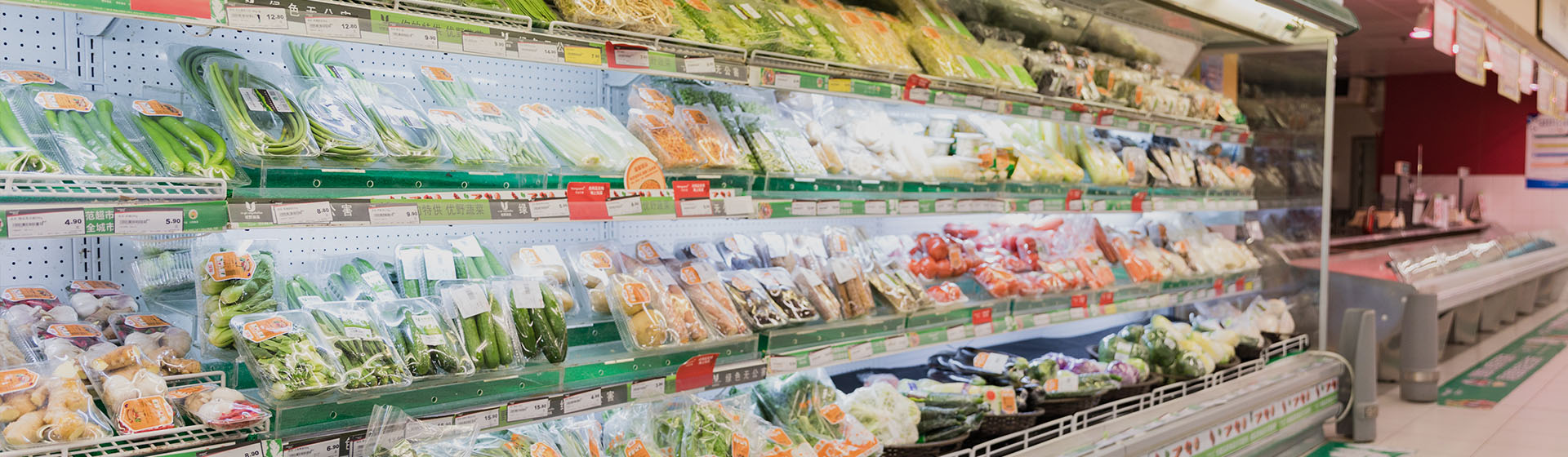
In today’s modern food retail industry, the quality of fresh products directly influences customer purchasing decisions and brand trust. Fresh-food cabinets, as essential equipment, not only serve the purpose of preservation but also play a crucial role in product display, store image, and operational efficiency. For supermarkets and grocery stores, selecting the right fresh-food cabinet solution is a strategic step toward enhancing competitiveness.
As consumer expectations for freshness and shopping experience continue to rise, traditional refrigeration equipment is no longer sufficient. The new generation of fresh-food cabinets is evolving toward smart, energy-efficient, and display-oriented solutions, becoming a key driver of retail transformation.
Core Value of Fresh-Food Cabinets in Retail
Fresh-food cabinets are not just storage units; they act as a bridge between products and consumers. In high-frequency retail environments, they directly impact product quality, sales performance, and customer experience.
● Extend shelf life and reduce spoilage risks
● Maintain stable storage conditions and ensure food safety
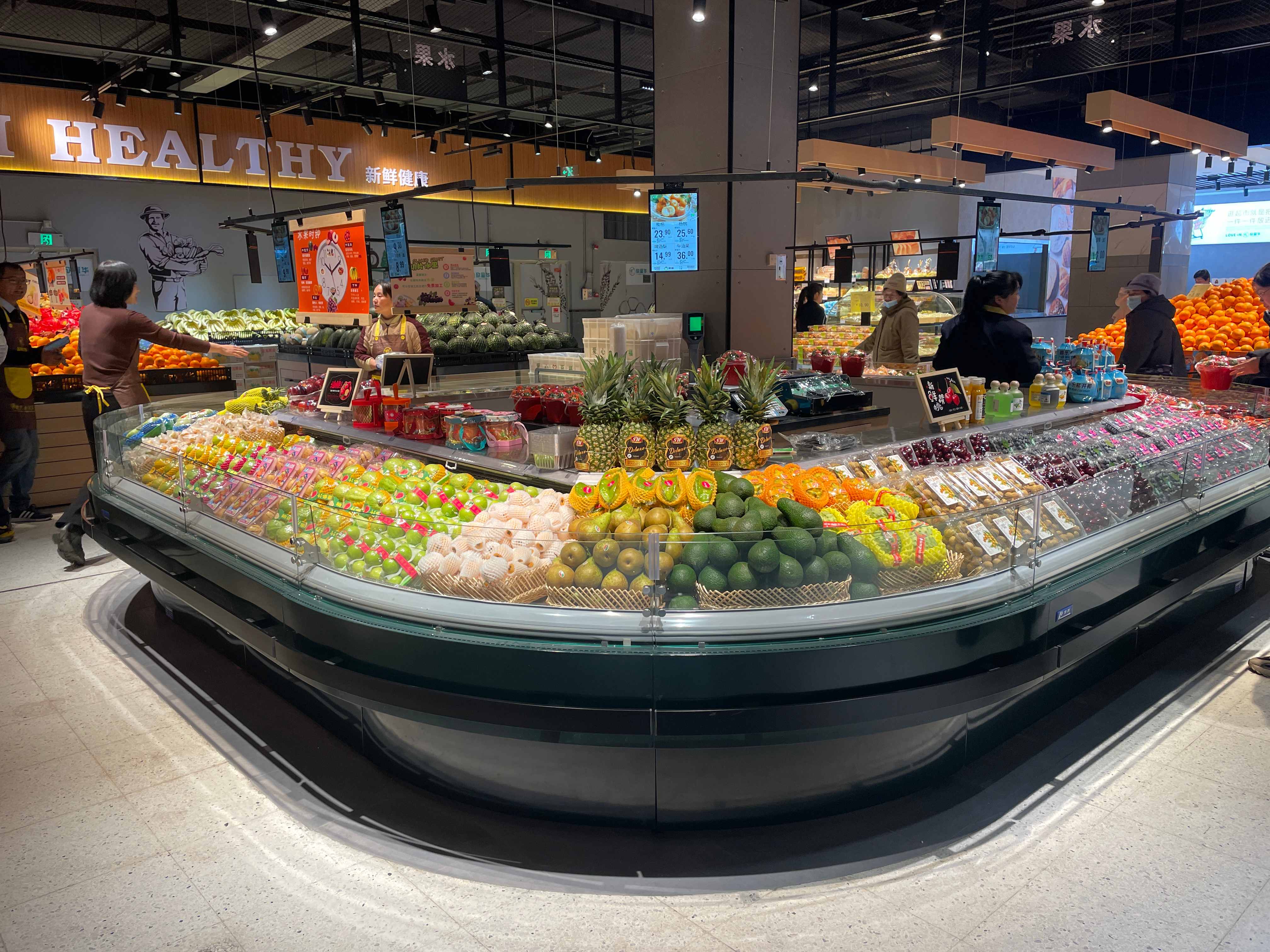
● Enhance product presentation and visual appeal
● Reduce inventory loss and improve turnover efficiency
● Support brand positioning and upgrade store image
For B2B buyers, fresh-food cabinets are not only about operational cost control but also directly linked to revenue growth and customer satisfaction.
Key Technologies and Features of Fresh-Food Cabinets
With continuous advancements in refrigeration technology, modern fresh-food cabinets have undergone significant upgrades in functionality.
● Precise Temperature Control: Digital systems enable accurate storage conditions for different product categories
● Humidity Regulation: Especially important for fruits and vegetables to prevent dehydration or decay
● Efficient Air Circulation: Ensures even cooling and eliminates temperature inconsistencies
● LED Energy-Saving Lighting: Reduces power consumption while improving product visibility
● Adjustable Shelving: Flexible configurations for different product sizes
● Glass Door or Open Design: Balances energy efficiency and accessibility
● Smart Monitoring Systems: Supports remote temperature tracking and fault alerts
These integrated features transform fresh-food cabinets from passive storage units into proactive management systems.
Business Benefits for Supermarkets and Grocery Stores
From a commercial perspective, investing in high-quality fresh-food cabinets delivers measurable returns.
● Extended Shelf Life: Reduces frequent restocking and stabilizes inventory
● Higher Sales Conversion: Better display increases customer engagement and purchase rates
● Lower Waste Costs: Minimizes losses caused by spoilage
● Improved Operational Efficiency: Reduces labor and management effort
● Stronger Brand Trust: Consistent product quality enhances customer loyalty
In a competitive retail environment, equipment quality often determines store performance.
Application Scenarios
Fresh-food cabinets are widely used across different retail and food service environments, each with specific requirements.
● Supermarkets and Hypermarkets: High-traffic areas for fruits, vegetables, dairy, and chilled foods
● Convenience Stores: Focus on space efficiency and quick access
● Fresh Produce Shops: Emphasize product visibility and premium presentation
● Food Service Chains and Delis: Require stable temperature control and food safety
Matching the right cabinet type to each scenario ensures optimal performance and return on investment.
How to Choose the Right Fresh-Food Cabinet Solution
When selecting fresh-food cabinets, businesses should evaluate multiple factors to ensure long-term performance.
● Focus on temperature stability for different food categories
● Prioritize energy-efficient designs to reduce long-term costs
● Choose modular structures for flexibility and future expansion
● Consider display effectiveness to enhance product appeal
● Ensure reliable after-sales service and maintenance support
A well-informed purchasing decision can significantly improve operational efficiency and reduce total cost of ownership.
Frequently Asked Questions (FAQ)
Q: How do fresh-food cabinets extend shelf life?
A: By maintaining precise temperature, humidity, and airflow, they slow down oxidation and bacterial growth, keeping products fresh for longer periods.
Q: Are fresh-food cabinets energy-efficient?
A: Yes. Modern cabinets use LED lighting, high-efficiency compressors, and advanced insulation to significantly reduce energy consumption.
Q: Can different types of food be stored together?
A: Yes. Multi-zone temperature designs allow storage of different product categories under optimal conditions.
Q: Are customization options available?
A: Most manufacturers offer customization in size, structure, and functionality to match different store layouts and operational needs.
Future Trends in Fresh-Food Cabinets
The future of fresh-food cabinets is moving toward smarter and more sustainable solutions.
● AI-based temperature control systems for automatic adjustment
● IoT integration for remote monitoring and data analysis
● Eco-friendly refrigerants to reduce environmental impact
● Advanced structural designs to improve energy efficiency
These innovations will further support the digital transformation and sustainability goals of modern retail businesses.
Conclusion
Fresh-food cabinets have evolved from simple refrigeration equipment into integrated solutions that combine preservation, display, and intelligent management. For supermarkets and grocery stores, selecting the right cabinets can significantly improve product quality and operational efficiency.
With proper selection and usage, businesses can reduce waste, increase sales, and strengthen their competitive advantage. In the future retail landscape, fresh-food cabinets will continue to play a vital role as a key driver of business growth and customer satisfaction.
Post time: Mar-17-2026


