
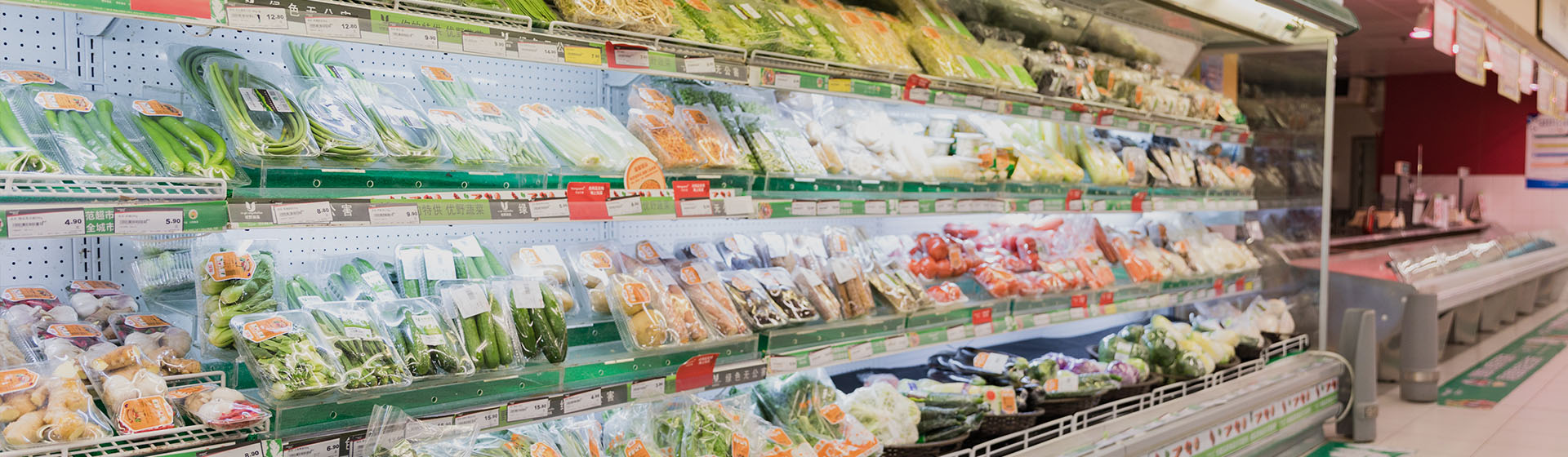
Maintaining the freshness and quality of perishable products is a critical concern for food retail businesses. A reliable Fresh-Food Cabinet is an essential investment for supermarkets, convenience stores, and restaurants, ensuring that fruits, vegetables, dairy, meat, and seafood are stored under optimal conditions. In this comprehensive guide, we explore the key features, benefits, applications, and best practices for choosing the right Fresh-Food Cabinet for your business.
Understanding Fresh-Food Cabinets
A Fresh-Food Cabinet, also known as a refrigerated display case, is specifically designed to store and showcase perishable products while maintaining ideal temperature and humidity levels. Unlike standard refrigeration units, fresh-food cabinets focus on visibility, accessibility, and preservation. They allow customers to view products clearly without opening the doors excessively, which helps maintain a stable internal temperature and reduces energy consumption.
Fresh-food cabinets come in various sizes and configurations, including upright cabinets, countertop models, and multi-deck display units. Each type serves specific operational needs, whether for high-volume supermarkets, small retail stores, or foodservice establishments.
Key Features of Fresh-Food Cabinets
● Precise Temperature Control: Advanced digital thermostats allow businesses to maintain precise temperature ranges for different types of fresh products. For example, leafy vegetables may require cooler temperatures than dairy products, and adjustable temperature zones ensure that all items remain fresh longer.
● Efficient Air Circulation: Modern cabinets are designed with fans and vents to ensure uniform airflow. Proper air circulation prevents hot spots, reduces spoilage, and enhances the overall shelf life of products.
● Energy Efficiency: Energy-saving compressors, LED lighting, and well-insulated doors contribute to lower electricity consumption. Energy-efficient models not only reduce operational costs but also support sustainability initiatives by lowering the carbon footprint.
● Glass Doors for Visibility: Transparent glass doors improve product visibility, attracting customer attention and encouraging purchases. Double-pane glass with anti-condensation features ensures that the display remains clear and appealing, even in busy commercial environments.
● Adjustable Shelving and Storage Organization: Flexible shelving systems allow for optimal arrangement of different types of food. Shelves can be moved or removed to accommodate bulkier items, and separate compartments can help categorize products efficiently.
● Easy Cleaning and Maintenance: Cabinets are designed for hygiene and ease of cleaning. Smooth surfaces, removable trays, and drainage systems prevent the buildup of bacteria and simplify routine maintenance. Regular cleaning ensures both food safety and the long-term reliability of the equipment.
Applications of Fresh-Food Cabinets
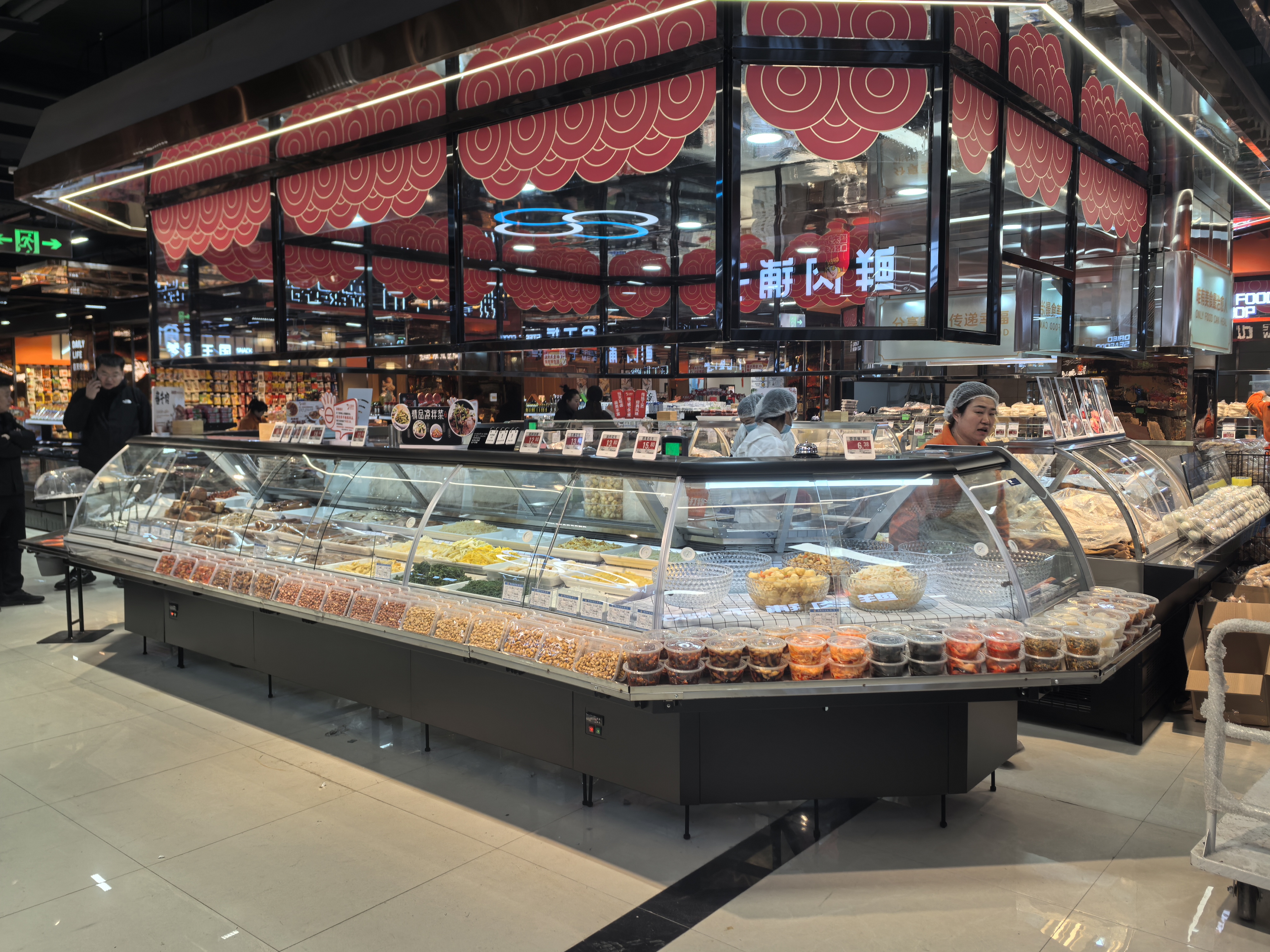
Fresh-Food Cabinets are widely used across multiple food retail and service sectors. They are essential for supermarkets, convenience stores, bakeries, and delicatessens. In restaurants and cafes, countertop or under-counter models provide easy access to fresh ingredients, improving kitchen workflow and food presentation. Their versatility ensures that businesses of all sizes can benefit from enhanced storage, display, and preservation capabilities.
Best Practices for Fresh-Food Cabinet Usage
● Regularly monitor temperatures and adjust settings based on seasonal or product-specific requirements.
● Organize products to minimize air blockage and optimize cooling efficiency.
● Avoid overloading the cabinet, which can restrict airflow and reduce preservation performance.
● Schedule periodic deep cleaning to remove dust, debris, and potential microbial growth.
● Inspect seals, hinges, and compressors to maintain energy efficiency and prevent mechanical issues.
By implementing these best practices, businesses can maximize the longevity of both the cabinet and the products it stores, while ensuring customer satisfaction and compliance with food safety standards.
Conclusion
Investing in a high-quality Fresh-Food Cabinet is essential for businesses that prioritize product quality, operational efficiency, and customer experience. Cabinets with advanced temperature control, energy efficiency, proper air circulation, and high visibility help maintain the freshness of perishable items while reducing operational costs. Selecting the right cabinet for your store requires evaluating size, energy usage, storage capacity, and display features to meet your unique business needs.
By adopting modern fresh-food cabinets, businesses not only extend the shelf life of their products but also create visually appealing displays that enhance customer engagement and drive sales. A well-maintained cabinet is a valuable asset for any food retail operation, ensuring consistent quality and operational efficiency.
FAQ
Q: How often should fresh-food cabinets be cleaned?
A: Fresh-food cabinets should be cleaned daily or at least several times per week to prevent bacteria buildup and ensure optimal hygiene. Deep cleaning is recommended every three to six months.
Q: Can fresh-food cabinets store frozen items?
A: No, fresh-food cabinets are designed for refrigerated storage and are not suitable for frozen products. Separate freezers should be used for frozen goods.
Q: Are there customizable fresh-food cabinets?
A: Yes, many manufacturers offer customization options for cabinet size, shelving configuration, and temperature zones to fit specific store requirements.
Q: How do energy-efficient cabinets save money?
A: Energy-efficient cabinets reduce electricity consumption through improved insulation, LED lighting, and high-efficiency compressors, which lowers operational costs while maintaining optimal cooling performance.
Post time: Dec-30-2025


