
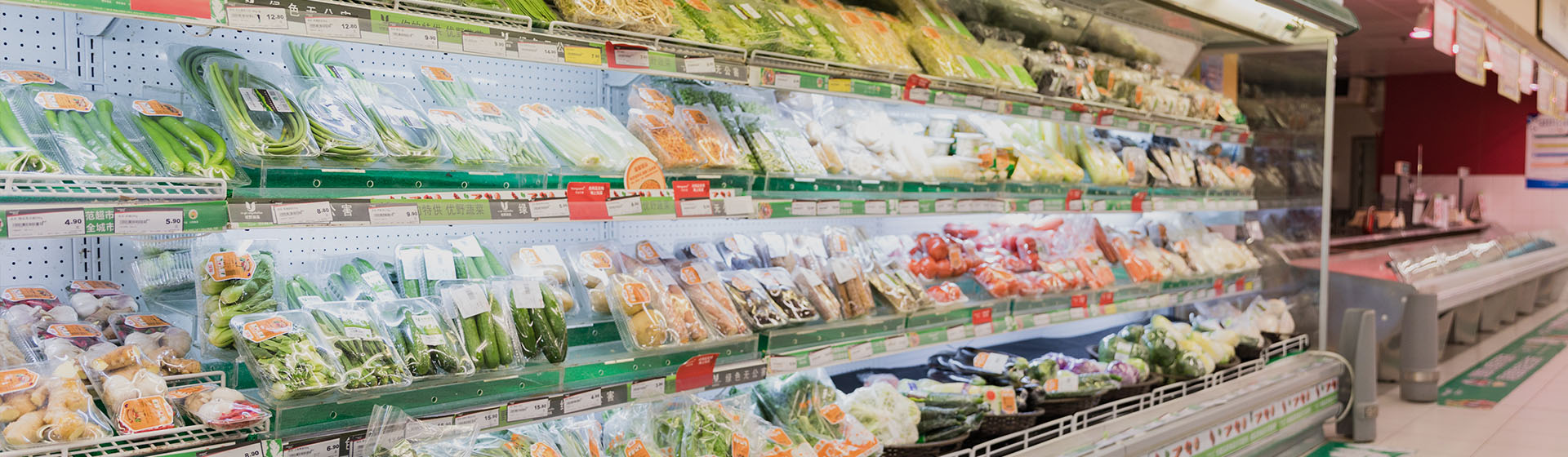
Introduction: Fresh-Food Cabinet Placement for Increased Sales
In modern retail, selling fresh food is no longer just about product quality—it is about how effectively those products are presented. The placement of fresh-food cabinets plays a critical role in influencing customer behavior, guiding store traffic, and ultimately increasing sales. Retailers who strategically position their cabinets can create visually compelling displays that attract attention, encourage exploration, and drive impulse purchases.
With increasing competition in supermarkets and grocery retail, optimizing cabinet placement has become a key component of merchandising strategy. This article explores advanced placement strategies, practical insights, and proven techniques to help retailers maximize the performance of their fresh-food displays.
Why Fresh-Food Cabinet Placement Matters
The positioning of fresh-food cabinets directly impacts how customers interact with products. Shoppers often make quick decisions based on visibility, accessibility, and perceived freshness. A well-placed cabinet can transform a simple display into a high-performing sales zone.
Fresh products such as fruits, vegetables, meats, and dairy are highly sensitive to both presentation and environment. Strategic placement enhances not only visibility but also trust—customers are more likely to purchase items that appear fresh, well-organized, and easy to access.
In addition, cabinet placement influences customer flow within the store. By guiding shoppers through key product zones, retailers can increase exposure to multiple categories, boosting overall basket value.
Key Benefits of Strategic Placement
When implemented correctly, strategic placement of fresh-food cabinets delivers measurable business advantages:
● Increased product visibility in high-traffic zones
● Enhanced customer engagement and browsing time
● Improved accessibility and shopping convenience
● Higher conversion rates and impulse purchases
● Stronger brand perception and store image
These benefits collectively contribute to improved sales performance and customer satisfaction.
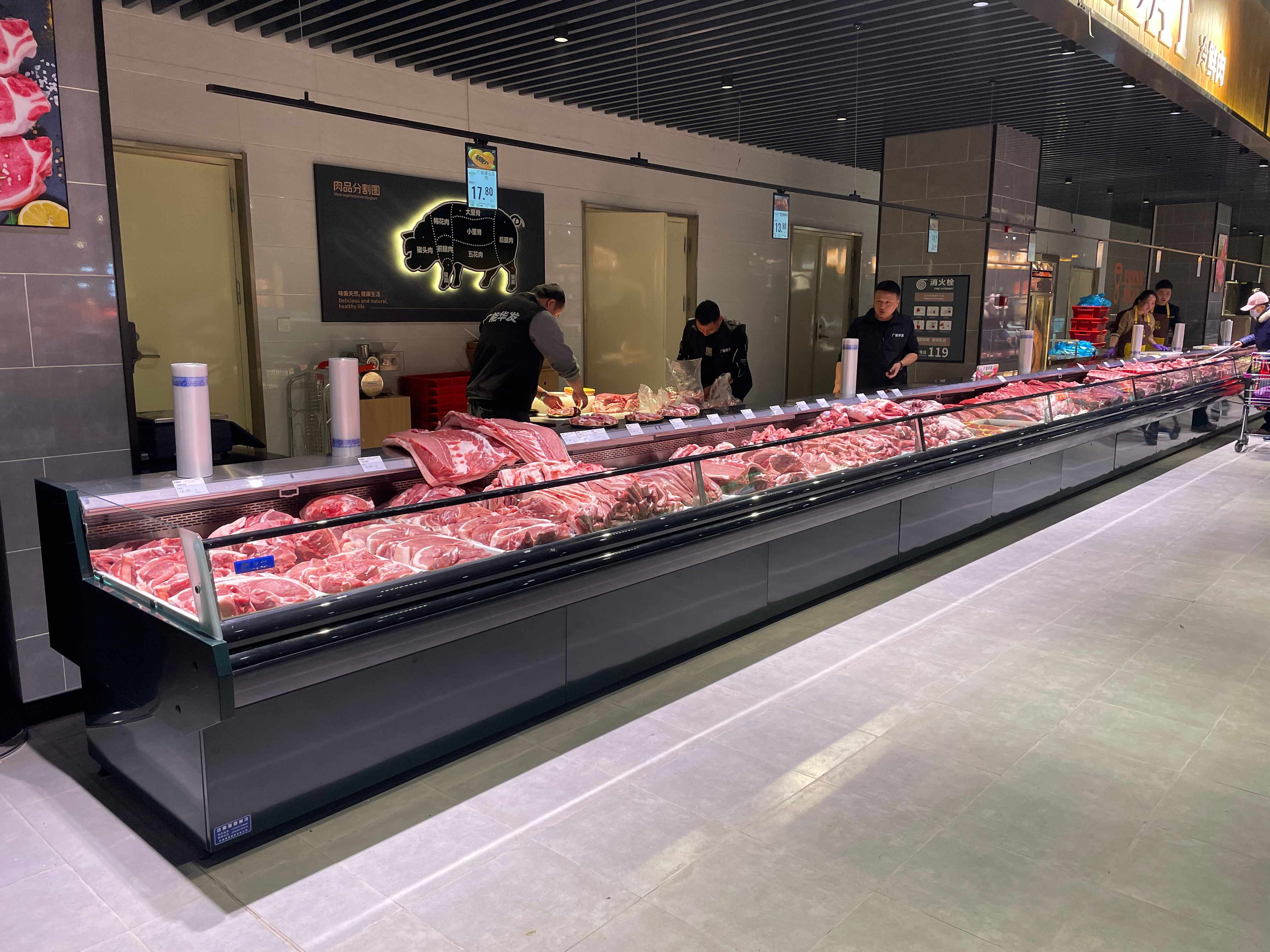
Best Practices for Fresh-Food Cabinet Placement
1. Position Cabinets in High-Traffic Areas
High-traffic zones such as main aisles, intersections, and promotional areas are ideal locations for fresh-food cabinets. These areas naturally attract customer attention and increase product exposure.
Placing fresh produce or ready-to-eat items in these locations can significantly boost impulse purchases. Retailers should analyze customer movement patterns to identify the most effective zones.
2. Leverage Entrance Placement for First Impressions
The store entrance is one of the most influential areas in retail design. Placing fresh-food cabinets near the entrance creates an immediate impression of freshness and quality.
Brightly lit displays of fruits, vegetables, or prepared meals can set the tone for the entire shopping experience, encouraging customers to continue exploring the store.
3. Use Cross-Merchandising Strategies
Grouping complementary products together is a powerful way to increase average transaction value. For example:
● Fresh vegetables placed near sauces or seasonings
● Meat displays positioned close to marinades or ready meal kits
● Dairy products grouped with breakfast items
This approach simplifies decision-making for customers and encourages additional purchases.
4. Optimize Placement Near Checkout Areas
While fresh-food cabinets are typically placed in central zones, smaller units near checkout areas can be highly effective for last-minute purchases.
Items such as fresh juices, desserts, or ready-to-eat snacks perform particularly well in these locations, capturing impulse buying behavior.
5. Maintain Proper Environmental Conditions
Placement is not only about visibility—it also affects product quality. Cabinets should be positioned away from heat sources such as direct sunlight, ovens, or HVAC vents.
Maintaining stable temperature conditions ensures product freshness and reduces spoilage, which directly impacts profitability.
Data-Driven Placement Insights
Retailers increasingly rely on data to optimize cabinet placement. The following example highlights how location impacts sales performance:
| Location | Sales Increase |
|---|---|
| Near Entrance | 15% |
| High-Traffic Area | 20% |
| Next to Checkouts | 10% |
| Near Meal Solutions | 25% |
This data demonstrates that strategic placement can significantly influence purchasing behavior and overall revenue.
Enhancing Visual Merchandising with Cabinet Design
Placement alone is not enough—presentation plays an equally important role. Modern fresh-food cabinets are designed with features that enhance visual appeal:
● LED lighting to highlight product freshness
● Transparent glass for clear visibility
● Adjustable shelving for organized displays
● Clean and modern design to enhance store aesthetics
Combining strategic placement with strong visual merchandising creates a powerful impact on customer perception.
Integrating Technology for Smarter Placement
Advanced retail environments are now integrating technology into cabinet placement strategies. Digital signage, smart sensors, and data analytics tools help retailers understand customer behavior and optimize layouts in real time.
For example, heat mapping technology can identify areas where customers spend the most time, allowing retailers to reposition cabinets for maximum impact.
IoT-enabled cabinets can also monitor temperature, energy usage, and performance, ensuring optimal operation regardless of placement.
Frequently Asked Questions
Q: Why is fresh-food cabinet placement so important?
A: Proper placement improves product visibility, enhances customer engagement, and significantly increases sales potential.
Q: How can retailers optimize cabinet placement effectively?
A: By analyzing store layout, traffic flow, and customer behavior, and combining these insights with strategic product grouping.
Q: What are the biggest benefits of strategic placement?
A: Increased sales, better customer experience, improved product visibility, and stronger brand perception.
Conclusion and Product Selection Recommendations
Fresh-food cabinet placement is a critical factor in retail success. By combining strategic positioning with effective product presentation, retailers can create compelling displays that attract customers and drive sales.
To achieve the best results, businesses should invest in high-quality cabinets that offer strong visibility, energy efficiency, and flexible configurations. Features such as LED lighting, adjustable shelving, and modern design enhance both functionality and aesthetics.
Additionally, incorporating digital tools and data-driven strategies can further optimize placement and improve performance. Retailers who take a strategic approach to cabinet placement will not only increase sales but also create a more engaging and satisfying shopping experience.
Ultimately, the right combination of placement, design, and technology transforms fresh-food cabinets into powerful sales drivers—helping businesses stay competitive and achieve long-term growth.
Post time: Mar-25-2026


