
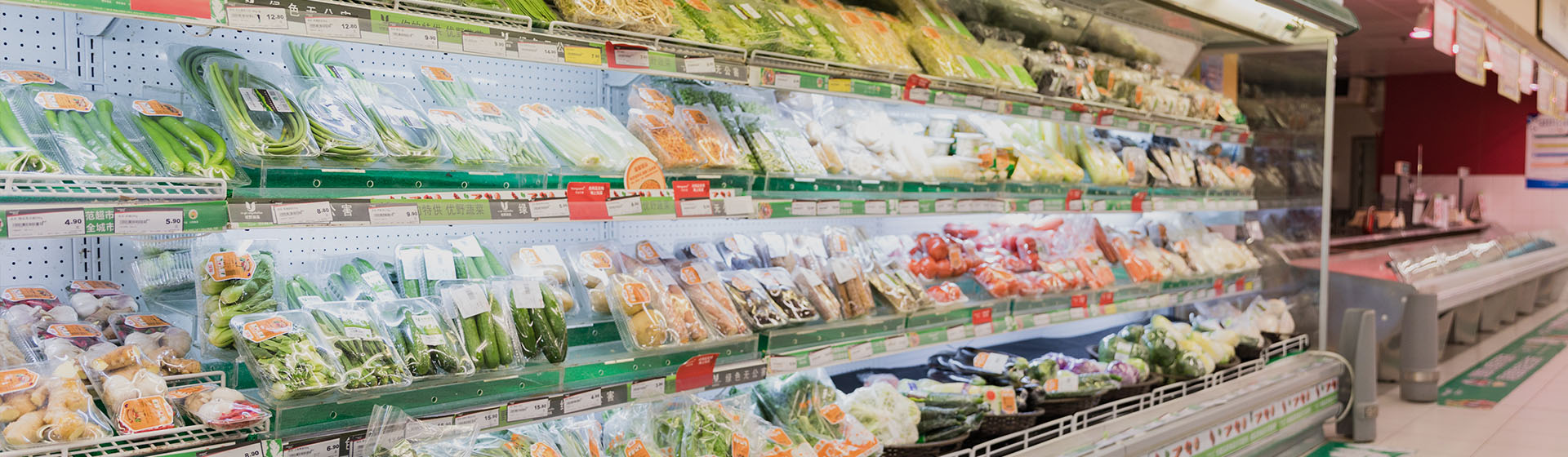
Fresh food sales depend heavily on how products are stored and presented. In today’s competitive retail environment, a fresh-food cabinet is not just a refrigeration unit—it is a key tool for attracting customers, maintaining food quality, and increasing sales performance.
From supermarkets to convenience stores and food service operations, choosing the right cabinet can significantly influence customer behavior and operational efficiency.
What Is a Fresh-Food Cabinet?
A fresh-food cabinet is a refrigerated display unit designed to store and showcase perishable products such as fruits, vegetables, dairy items, ready-to-eat meals, and fresh meat. Unlike traditional refrigerators, these cabinets are specifically built to combine temperature control with visual merchandising.
They ensure that food remains fresh while being clearly visible and easily accessible to customers, which is essential for boosting impulse purchases and improving the shopping experience.
Types of Fresh-Food Cabinets in Retail Applications
Different retail formats require different cabinet designs. Understanding the main types helps businesses select the most suitable configuration.
● Open Display Cabinets
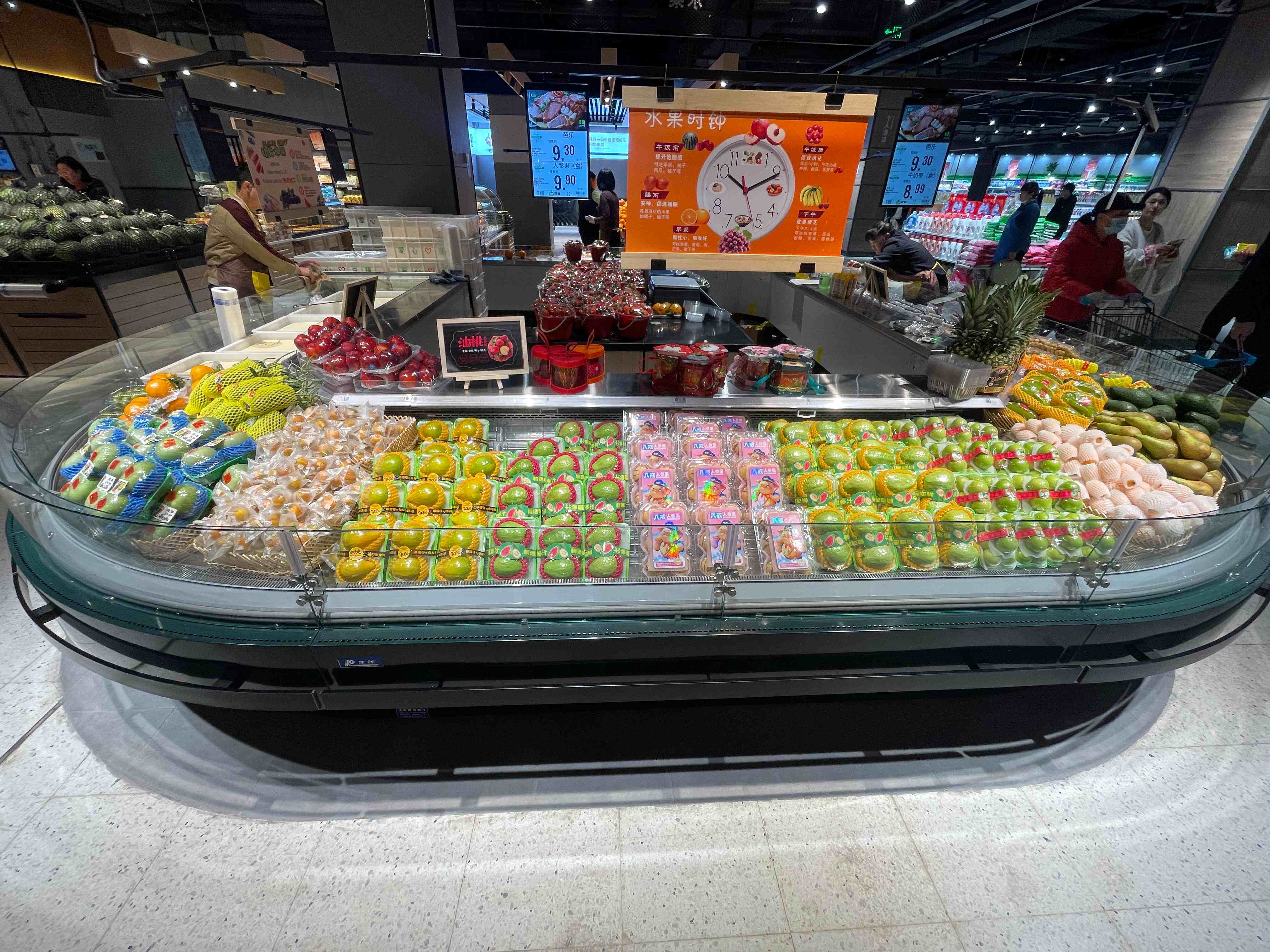
These cabinets provide easy access to products and are commonly used in supermarkets for packaged fresh food. They are ideal for high-traffic environments.
● Glass Door Cabinets
Equipped with transparent doors, these cabinets improve energy efficiency while still allowing product visibility. Suitable for stores focusing on energy savings.
● Serve-Over Cabinets
Designed for staff-assisted service, often used in butcher shops and deli counters to maintain hygiene and product control.
● Multideck Cabinets
Vertical, multi-layer cabinets that maximize product display within a limited footprint, ideal for increasing SKU visibility.
Key Features That Define High-Performance Fresh-Food Cabinets
When selecting a fresh-food cabinet, several critical features determine its performance and long-term value.
● Precise Temperature Control
Maintaining stable temperatures (usually between 0°C and 5°C) ensures food safety and extends shelf life.
● Efficient Air Circulation System
Uniform cooling prevents temperature fluctuations and keeps products fresh across all shelves.
● Energy-Saving Technology
Modern cabinets use advanced compressors and insulation to reduce electricity consumption.
● Anti-Fog Glass and LED Lighting
Improves product visibility and enhances the visual appeal of displayed items.
● Durable and Hygienic Materials
Stainless steel interiors and easy-to-clean surfaces support food safety compliance.
Why Fresh-Food Cabinets Are Essential for Retail Success
Fresh-food cabinets are not just functional—they are strategic assets that directly influence sales and customer satisfaction.
● Boosting Impulse Purchases
Well-placed cabinets attract attention and encourage unplanned buying.
● Improving Product Freshness Perception
Clean, well-lit displays increase customer trust in product quality.
● Enhancing Store Layout Efficiency
Proper cabinet integration improves customer flow and product accessibility.
● Reducing Food Waste
Stable refrigeration conditions minimize spoilage and shrinkage.
Placement Strategies for Maximum Impact
Even the best cabinet will underperform if it is poorly positioned. Strategic placement is critical for maximizing results.
● Entrance Placement
Placing fresh-food cabinets near store entrances creates immediate visibility and attracts customers.
● High-Traffic Zones
Cabinets should be located along main pathways where customer flow is highest.
● Eye-Level Product Positioning
High-margin or popular items should be displayed at eye level for maximum visibility.
● Cross-Merchandising Opportunities
Position cabinets near related products to encourage additional purchases.
Industry Trends Shaping Fresh-Food Cabinets
As retail technology evolves, fresh-food cabinets are becoming more advanced and aligned with sustainability and smart retail trends.
● Eco-Friendly Refrigerants
More manufacturers are adopting environmentally friendly cooling systems.
● Smart Monitoring Systems
Digital controls allow real-time temperature tracking and alerts.
● Modular and Custom Designs
Flexible configurations help retailers adapt to changing store layouts.
● Integration with Smart Retail Systems
Some cabinets now connect with inventory and sales systems for better management.
How to Choose the Right Fresh-Food Cabinet
Selecting the right cabinet requires aligning product needs with business goals.
● Store Size and Layout
Choose cabinet dimensions and configurations that fit your space.
● Product Type and Volume
Different foods require specific storage conditions and display capacities.
● Energy Consumption
Lower energy usage reduces long-term operational costs.
● Maintenance Requirements
Easy-to-clean and durable designs reduce downtime and maintenance expenses.
Conclusion
A fresh-food cabinet is a critical investment for any food retail business. It combines refrigeration, product display, and sales functionality into one essential system. By selecting the right type, focusing on key performance features, and implementing strategic placement, businesses can significantly improve customer experience and increase revenue.
As consumer demand for fresh and convenient food continues to grow, retailers that optimize their fresh-food cabinet strategy will gain a strong competitive advantage in the market.
FAQ
1. What temperature should a fresh-food cabinet maintain?
Typically between 0°C and 5°C to ensure food safety and freshness.
2. Are open display cabinets energy efficient?
They are convenient but generally consume more energy than closed-door cabinets. Newer models improve efficiency.
3. How often should fresh-food cabinets be cleaned?
Daily cleaning is recommended to maintain hygiene and comply with food safety standards.
4. Can fresh-food cabinets increase sales?
Yes, proper placement and attractive display significantly influence customer purchasing decisions.
Post time: Apr-02-2026


