
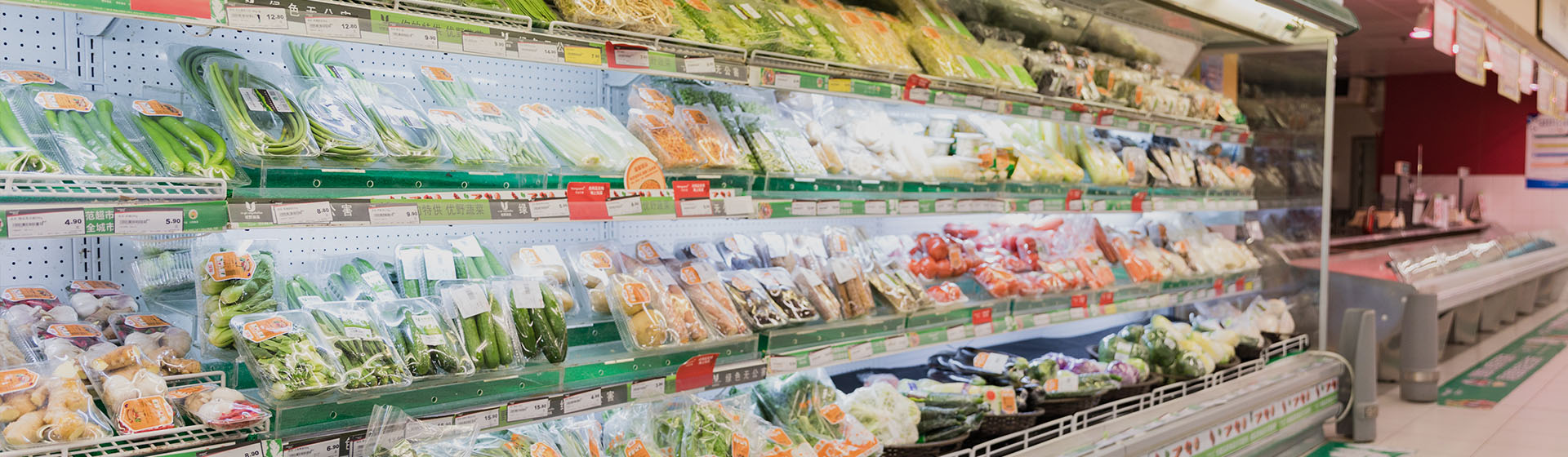
Fresh-food cabinet designs play a pivotal role in modern kitchens, combining functionality, aesthetics, and efficiency. As consumers increasingly prioritize health, wellness, and convenience, the demand for innovative fresh-food storage solutions has surged. From smart technologies and sustainable materials to customizable layouts, the market offers a broad array of options. This article explores the best and most innovative fresh-food cabinet designs to help homeowners, designers, and retailers make informed decisions.
Smart Fresh-Food Cabinets
Smart fresh-food cabinets integrate advanced technology to transform how food is stored, managed, and accessed. Equipped with sensors, temperature controls, cameras, and Internet of Things (IoT) capabilities, these cabinets ensure optimal conditions for preserving freshness. Some models even connect with smartphone apps, allowing users to monitor inventory remotely and receive automated notifications.
Advantages of Smart Fresh-Food Cabinets
● Real-time Monitoring: Keep track of food inventory, freshness, and expiration dates.
● Energy Efficiency: Smart temperature controls adjust cooling based on load and usage patterns, reducing electricity consumption.
● Convenience: Receive notifications for expiring items and automatically generate shopping lists to streamline meal planning.
● Enhanced Food Safety: Continuous monitoring helps prevent spoilage and maintains hygiene standards.
Many smart cabinets are particularly suitable for tech-savvy households or commercial kitchens seeking precise food management and efficiency improvements.
Eco-Friendly Fresh-Food Cabinets
Eco-friendly fresh-food cabinets are designed with sustainability in mind. They use renewable materials, energy-efficient components, and recyclable parts, helping households and businesses reduce their environmental impact. As consumers become more environmentally conscious, these cabinets are increasingly popular in both residential and commercial settings.
Features of Eco-Friendly Fresh-Food Cabinets
● Sustainable Materials: Bamboo, recycled wood, and other renewable materials are commonly used to reduce carbon footprint.
● LED Lighting: Low-energy LED lights illuminate the interior while minimizing heat generation and electricity usage.
● Recyclable Components: Cabinets designed for easy disassembly and recycling promote responsible disposal practices.
● Durability and Longevity: Eco-friendly materials are often highly durable, ensuring the cabinets last longer and reduce waste.
By choosing eco-conscious cabinets, consumers can align their kitchen storage solutions with broader sustainability goals.
Customizable Fresh-Food Cabinets
Customizable cabinets offer flexibility, allowing homeowners and commercial clients to design solutions tailored to their unique kitchen layouts and preferences. From adjustable shelves to modular compartments, customization enhances both storage efficiency and aesthetic appeal.
Benefits of Customizable Fresh-Food Cabinets
● Optimized Storage: Adjustable shelving and compartmentalized designs maximize available space.
● Personalized Aesthetics: Select finishes, colors, and materials that complement the overall kitchen décor.
● Functional Design: Include features such as separate temperature zones, pull-out drawers, and specialized compartments for fruits, vegetables, or dairy.
● Adaptability: Cabinets can be reconfigured over time to accommodate changing storage needs.
Customizable designs are especially useful in commercial kitchens, restaurants, and premium residential spaces where storage needs are highly specific.
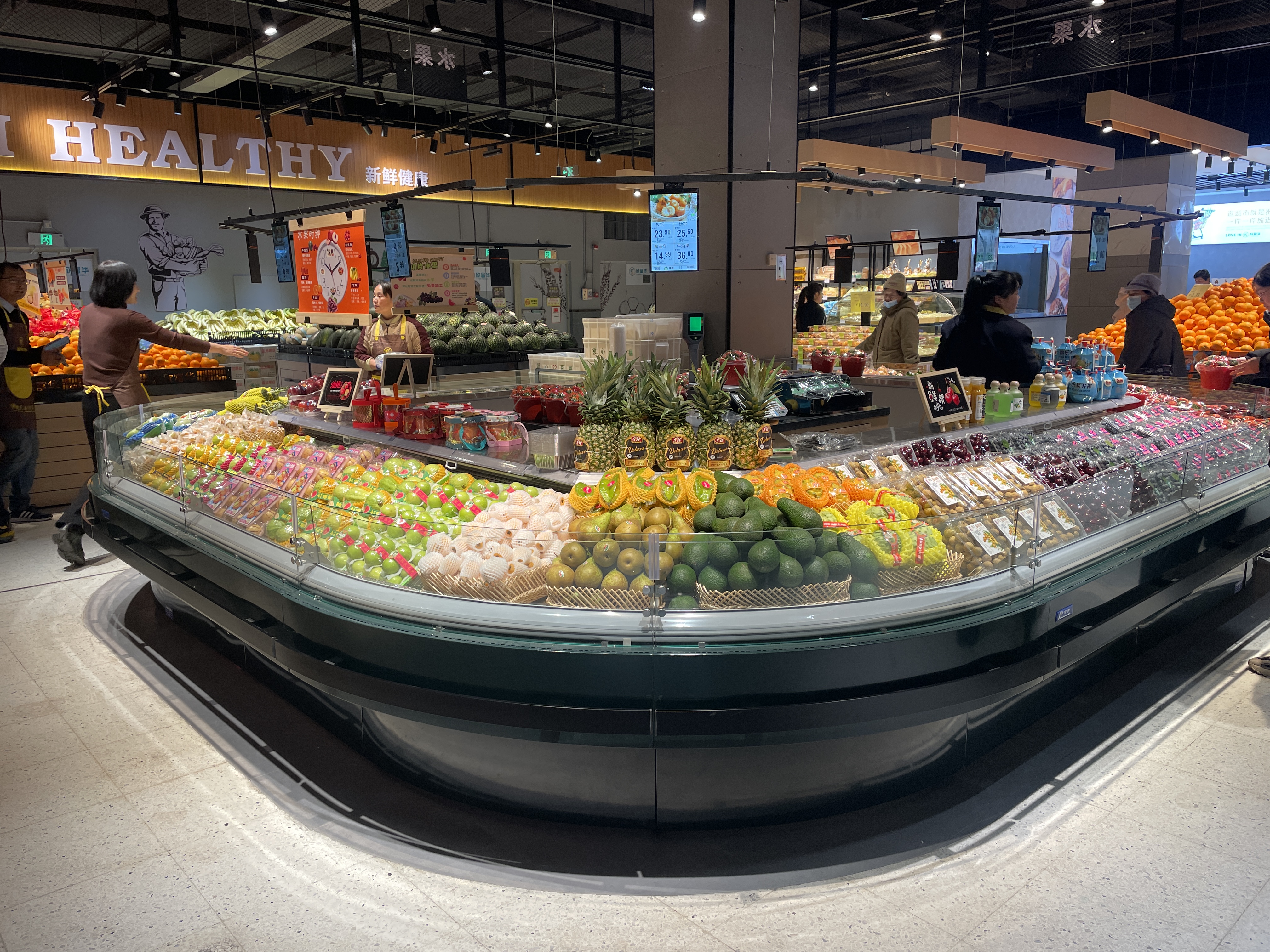
Modern Fresh-Food Cabinet Designs
Modern fresh-food cabinet designs emphasize both aesthetics and functionality. Sleek finishes, ergonomic layouts, and multi-functional features define contemporary storage solutions. These cabinets are ideal for homeowners who value minimalistic design without compromising performance.
Characteristics of Modern Fresh-Food Cabinet Designs
● Sleek Finishes: Glossy surfaces, metallic accents, and minimalist aesthetics create a contemporary kitchen look.
● Multi-functional Features: Pull-out drawers, adjustable shelving, and integrated temperature zones enhance usability.
● Space Optimization: Compact footprint and thoughtful internal organization allow maximum storage without overcrowding.
● Ease of Access: Transparent doors and smart layouts make it easy to locate and retrieve items quickly.
Modern designs often combine technology, sustainability, and personalization in a single unit, creating versatile solutions suitable for residential and commercial kitchens.
Application Examples in Residential and Commercial Settings
Fresh-food cabinet designs are not limited to household kitchens. They are increasingly used in hotels, cafés, restaurants, and convenience stores. For example:
● Residential Kitchens: Homeowners use smart and customizable cabinets to organize produce, dairy, and ready-to-eat meals efficiently.
● Commercial Kitchens: Restaurants integrate temperature-controlled compartments to store ingredients safely while improving workflow.
● Retail Environments: Supermarkets and specialty food stores use eco-friendly and modern cabinets for frozen or fresh items to attract customers and reduce energy costs.
These examples highlight how cabinet design can influence efficiency, presentation, and customer satisfaction.
Sample Data Table: Key Features of Fresh-Food Cabinet Types
| Features | Smart Cabinets | Eco-Friendly Cabinets | Customizable Cabinets | Modern Designs |
|---|---|---|---|---|
| Sensor Technology | ✓ | |||
| Renewable Materials | ✓ | |||
| Personalization Options | ✓ | |||
| Sleek Aesthetics | ✓ | |||
| Multi-Functional Compartments | ✓ | ✓ | ✓ | |
| Energy-Efficient Lighting | ✓ | ✓ | ✓ |
This comparison highlights the overlapping advantages of modern solutions, showing how combining features can create the ultimate fresh-food storage experience.
FAQ
Q: How do smart fresh-food cabinets enhance convenience?
A: Smart cabinets provide real-time monitoring of food inventory, expiration dates, and automated shopping lists, simplifying storage and meal planning.
Q: What environmental benefits do eco-friendly cabinets offer?
A: By using sustainable materials, energy-efficient components, and recyclable parts, eco-friendly cabinets reduce carbon footprint and promote greener kitchen practices.
Q: Can customizable cabinets improve space efficiency?
A: Yes. Adjustable shelves, modular compartments, and multi-zone temperature options maximize storage capacity and optimize workflow.
Q: Are modern designs suitable for commercial kitchens?
A: Absolutely. Modern cabinets combine sleek aesthetics with functionality, ensuring efficient storage, easy access, and appealing presentation for both residential and commercial use.
Conclusion
Fresh-food cabinet designs have evolved significantly, offering a wide range of options to suit diverse needs. Whether prioritizing smart technology, sustainability, customizable layouts, or modern aesthetics, consumers and businesses now have access to solutions that enhance efficiency, preserve freshness, and improve the kitchen environment.
When selecting a fresh-food cabinet, consider a balance of smart features, eco-friendly materials, personalization, and contemporary design. Investing in a well-designed cabinet ensures optimal food preservation, energy efficiency, and long-term satisfaction, creating a kitchen that is both functional and visually appealing.
Post time: Jan-23-2026


