
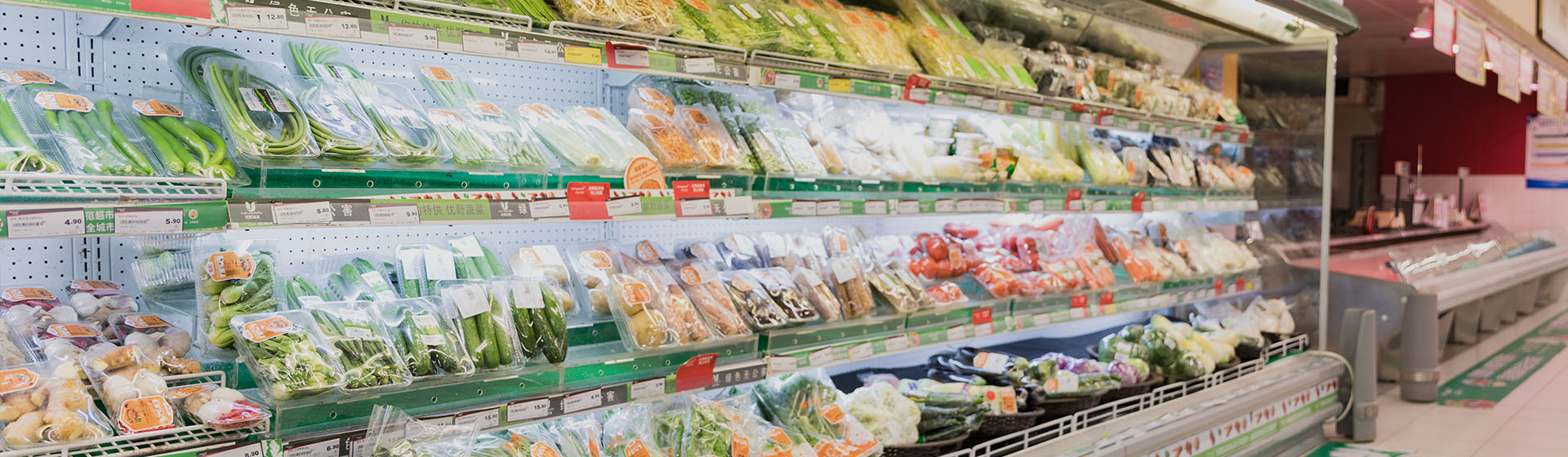
Choosing a Fresh Food Cabinet involves more than deciding how much refrigerated space a store needs. Its display structure affects product visibility, customer access, refrigeration performance, and daily maintenance. Open and enclosed cabinets serve different purposes, so the right choice depends on the food being displayed, the store environment, and how customers interact with products.
Understanding Open and Enclosed Display Designs
An open cabinet provides direct access to products without requiring customers to open a door. This arrangement can make shopping faster, especially in busy areas where customers frequently select individual items. It also creates an unobstructed view of the display, helping products remain visually connected to the surrounding sales floor.
An enclosed cabinet places a physical barrier between refrigerated products and the store environment. Customers can inspect items through the glass before opening the door. When the doors remain closed, this structure can reduce direct air exchange between the cabinet interior and the surrounding space. Actual refrigeration performance, however, depends on the cabinet design, installation, maintenance, and frequency of door opening.
The distinction is not simply about appearance. Open displays prioritize accessibility, while enclosed displays provide more controlled access. Neither design is automatically suitable for every type of fresh food. The cabinet must match the products’ storage requirements and the way the display will be used throughout the day.
When an Open Fresh Food Cabinet Is Suitable
Open displays work well when quick access is an important part of the shopping experience. Customers can compare products and take what they need without handling doors, which may be useful in busy convenience stores, food service areas, and self-service sections.
An open Fresh Food Cabinet can also make product arrangements easier to notice. Without a glass door in front, shoppers can view the display directly, and staff can adjust product placement without repeatedly opening and closing doors. This can be helpful when the range changes frequently or when products need to be arranged for easy selection.
However, open cabinets are more exposed to surrounding conditions. Nearby heat sources, strong air currents, and unsuitable loading arrangements may affect refrigeration performance. Products and promotional materials should not block designed airflow paths. Staff also need to follow appropriate storage practices for each food category. An open design is therefore most appropriate when the store environment supports its operation and employees can maintain suitable display conditions.
When an Enclosed Fresh Food Cabinet Is More Practical
Enclosed cabinets are often suitable for packaged chilled meals, dairy products, and other foods that customers can inspect through glass before selecting. The doors create a physical separation between the refrigerated compartment and the sales floor without completely hiding the products.
A properly maintained enclosed Fresh Food Cabinet can help limit direct air exchange when its doors are closed. This may be useful in environments where maintaining suitable refrigerated conditions is a priority. However, frequent door opening, damaged seals, blocked airflow, or poor maintenance can reduce its effectiveness.
Enclosed cabinets also influence customer behavior. Shoppers must open the door before taking products, so the handle, opening clearance, shelf arrangement, and visibility of product labels all matter. If customers repeatedly struggle to reach items, the display may slow down shopping and create unnecessary door opening. The most suitable model is one that balances refrigeration needs with convenient access and manageable maintenance.
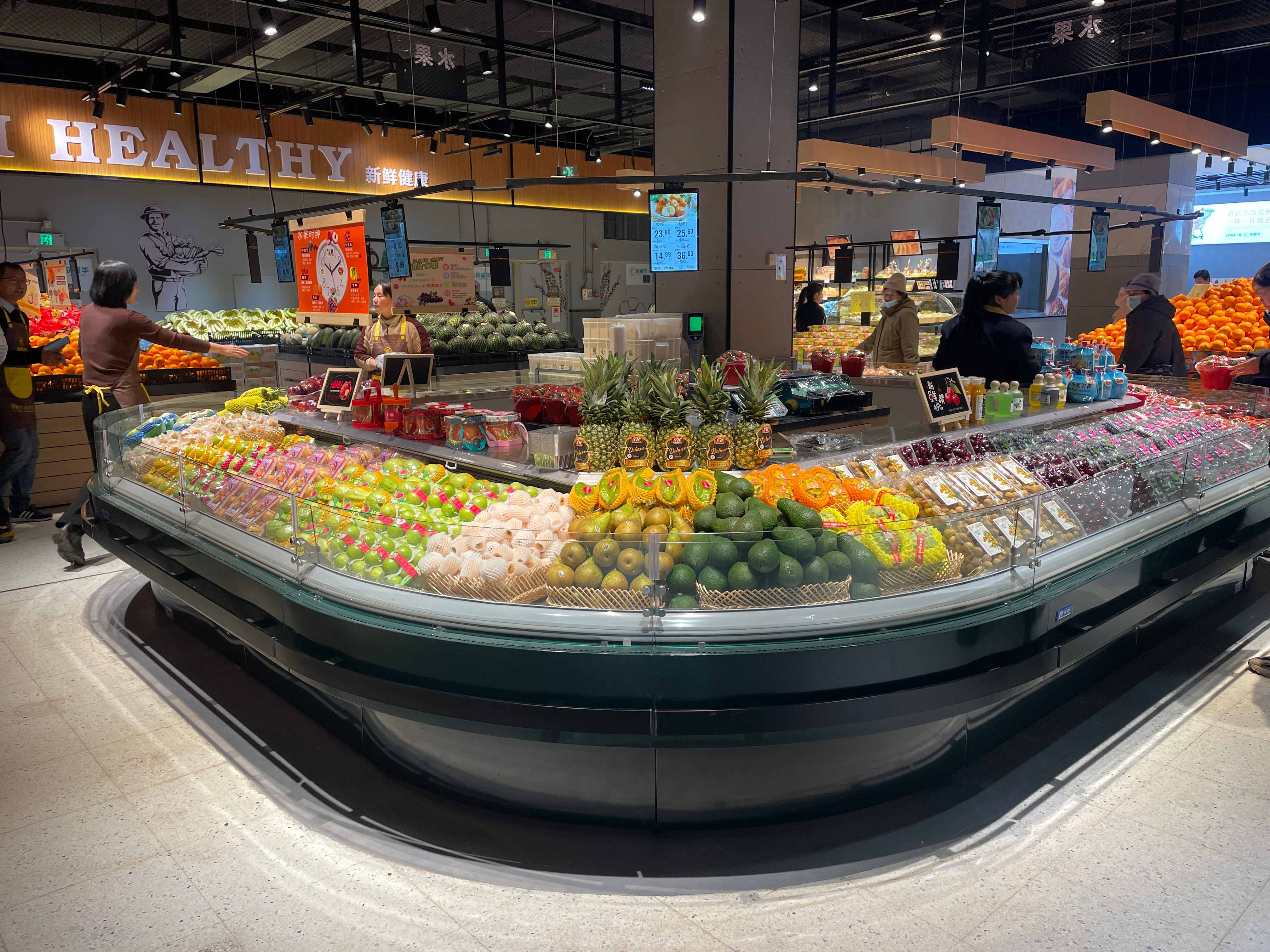
Key Considerations When Comparing the Two Designs
Before selecting a cabinet, assess how the equipment will function within the actual retail environment. The following considerations help connect the display structure to product requirements and daily operations.
- Food type and packaging: Packaged meals and sealed products may suit enclosed displays, while frequently selected items may benefit from easier access. The decision must still follow the storage requirements of each food category. Products should not be grouped solely because they fit in the same cabinet.
- Customer flow and shopping habits: Open displays can support quick selection in high-traffic areas. Enclosed cabinets may work better when customers browse a range before choosing. Consider whether shoppers usually take one item quickly or compare several products.
- Environmental conditions: Ambient temperature, nearby heat sources, air movement, and expected access frequency can affect cabinet performance. Open designs require particular attention to surrounding conditions, while enclosed designs depend on effective doors and seals. Both need suitable loading and unobstructed airflow.
- Space and maintenance: Open cabinets need enough room for customers to approach and select products. Enclosed models require clearance for doors to open. Cleaning requirements also differ: exposed surfaces may need frequent attention, while glass doors and seals require routine inspection.
These considerations should be evaluated together rather than in isolation. For example, an enclosed cabinet may offer a useful barrier, but poor shelf access or insufficient door clearance can make it inconvenient. Similarly, an open cabinet may simplify product selection but perform poorly if its location exposes it to unsuitable environmental conditions.
Common Selection Mistakes
One mistake is choosing equipment mainly for its appearance. A wide open display may look attractive, but it may not be appropriate near heat-producing equipment or in an area with strong air movement. An enclosed model may appear organized but become inconvenient when customers need to open the door repeatedly to access individual items.
Another mistake is treating all fresh foods as having identical requirements. Prepared meals, fresh produce, meat, seafood, and dairy products may require different storage conditions and handling practices. The cabinet configuration should match the intended food category and applicable temperature requirements. A particular display structure cannot, by itself, guarantee food safety or freshness. Overloading shelves is another problem. Excessive loading can obstruct airflow, hide product labels, and make cleaning and stock rotation more difficult. Even a suitable cabinet may deliver poor results if products are arranged incorrectly or the equipment is operated outside its intended conditions.
Finally, the purchase price should not be the only comparison point. Consider energy consumption under expected operating conditions, cleaning workload, customer access, available space, and the maintenance required over time. A cabinet that costs less initially may create more work or make daily product handling less efficient.
Matching Cabinet Design to Store Operations
A practical way to choose a Fresh Food Cabinet is to follow the product’s journey through the store. Consider receiving, preparation where necessary, refrigerated storage, display, customer selection, and replenishment. This process helps identify whether direct access or a physical barrier is more important for the intended application.
For example, a convenience store displaying packaged chilled meals may prefer an enclosed cabinet because customers can inspect products while they remain behind glass. A food service area that depends on rapid self-service may favor an open cabinet, provided the food and operating environment are suitable for that design. Some stores may benefit from using both types in different areas. Open cabinets can serve products intended for quick selection, while enclosed units can accommodate items that benefit from more controlled access. This arrangement allows each display to meet the needs of its product category instead of forcing every item into the same format.
When comparing equipment, review usable shelf space, access clearance, loading arrangements, cleaning access, refrigeration performance, and service support. A suitable Fresh Food Cabinet should fit the store layout, support staff workflows, and maintain the conditions required for the products being displayed. Refrigeration solutions from providers such as Dashang Global can be considered when evaluating display configurations for different retail and food service environments. Starting with the product range, store conditions, and customer access requirements makes it easier to identify a cabinet that supports both presentation and daily use.
Conclusion
Open and enclosed fresh food cabinets meet different operational needs. Open displays emphasize direct access and convenient selection, while enclosed displays provide a physical barrier and keep products visible behind glass. The right choice depends on food type, customer behavior, environmental conditions, available space, and maintenance requirements. Evaluating these factors together helps retailers choose equipment that balances product presentation with reliable everyday operation.
FAQ
1. Can an open fresh food cabinet be used for every food category?
No. Suitability depends on the food’s storage requirements, cabinet design, and surrounding conditions. Each product category should be evaluated according to its appropriate handling and temperature requirements.
2. Do glass doors guarantee stable temperatures in an enclosed cabinet?
No. Doors can reduce direct air exchange, but performance also depends on seals, opening frequency, loading arrangements, airflow, installation, and maintenance.
3. Can a store use open and enclosed cabinets together?
Yes. Different departments may have different access and storage needs. Combining both designs can help match each display to its intended purpose.
4. What should be checked before replacing an open cabinet with an enclosed model?
Check floor space, door clearance, usable shelf capacity, product dimensions, customer access, loading procedures, and refrigeration requirements to determine whether the new cabinet fits existing operations.
Post time: Oct-29-2026


