
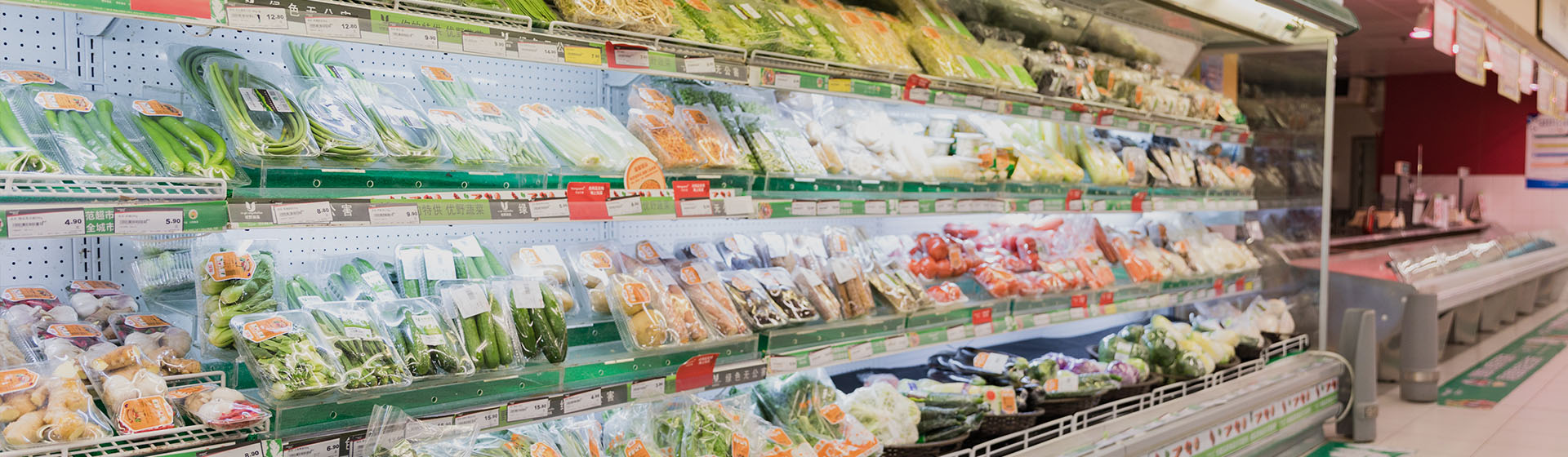
In the modern deli market, the shopping experience directly influences customer purchasing decisions and brand loyalty, and deli cabinets play a crucial role in this process. They are not only storage units but also central tools for showcasing product freshness and appeal. By carefully designing and effectively using deli cabinets, businesses can significantly enhance customer experience, boost sales, and strengthen brand image. This guide explores deli cabinet design principles, layout strategies, and optimization tips to attract customers and achieve the best business outcomes.
Importance of Deli Cabinets in Customer Experience
Deli cabinets are essential fixtures in any food retail environment. They ensure food freshness, maintain safety standards, and attract customer attention through appealing displays. A well-organized and visually striking deli cabinet communicates professionalism and a commitment to quality.
Studies show that customer attention to deli cabinets significantly influences buying behavior:
● 60% of customers are drawn to products by the display
● 75% of purchasing decisions are influenced by cabinet aesthetics
● Upgrading cabinet design can lead to a 20% increase in sales
These figures demonstrate that deli cabinets function not only as storage solutions but also as effective marketing tools.
Best Practices for Optimal Deli Cabinet Design
Maximizing Visibility and Accessibility
● Place best-selling or high-margin items at eye level to immediately catch customer attention.
● Use transparent or well-lit cabinets to highlight products clearly.
● Include clear labeling for product names, prices, and features to facilitate quick decision-making.
● Maintain proper cabinet height and open layouts for easy product access, enhancing convenience and encouraging purchases.
Maintaining Freshness and Product Quality
● Ensure proper temperature control, humidity management, and air circulation to extend shelf life and preserve quality.
● Transparent doors or open designs allow customers to visually assess freshness, building trust in the product.
● Use smart monitoring systems to provide real-time data on temperature and humidity, optimizing cabinet conditions, reducing waste, and lowering operational costs.
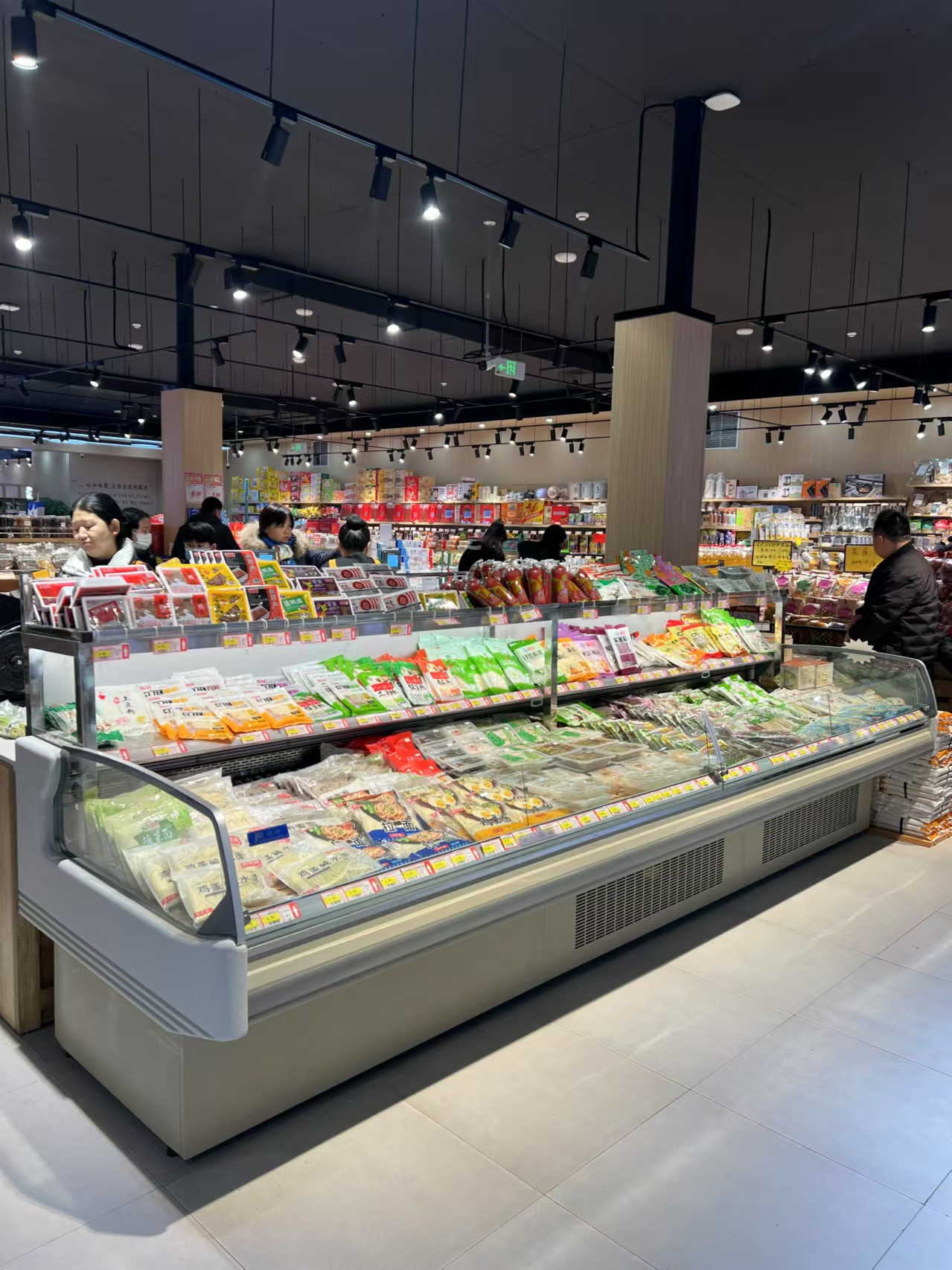
Flexible Layouts and Space Optimization
● Employ modular shelving, adjustable heights, and convertible compartments for versatile displays.
● Divide cabinets into zones for cold cuts, salads, desserts, and beverages to improve organization and accessibility.
● Optimize space to accommodate seasonal products or promotions, improving shopping flow and operational efficiency.
Integrating Technology to Enhance Interaction and Experience
● Incorporate touch screens, interactive displays, and digital signage to provide product information, nutritional details, and promotions.
● Use smart temperature control and remote monitoring to maintain product quality and streamline operations.
● Adjust ambient lighting based on time of day or product type to improve visual appeal and attract attention.
Personalization and Brand Identity
● Customize finishes, hand-painted details, and branded signage to reflect brand identity and differentiate from competitors.
● Personalization enhances customer engagement and loyalty by creating memorable and emotionally appealing shopping experiences.
Q&A: Common Questions About Deli Cabinets
● Q: How can deli cabinets positively impact sales and customer engagement?
A: Deli cabinets act as silent salespeople by presenting products attractively and encouraging purchases. Eye-catching displays increase impulse buys and enhance the overall shopping experience.
● Q: Are there specific design elements that enhance the aesthetics of deli cabinets?
A: Ambient lighting, decorative trims, custom signage, and the use of glass or acrylic materials can significantly improve visual appeal, creating a sense of transparency and freshness.
● Q: How do flexible layouts and space optimization affect store efficiency?
A: Modular shelving, adjustable heights, and zoned displays allow store owners to maximize space utilization, organize products effectively, and create a more convenient shopping experience, improving operational efficiency.
● Q: What are the advantages of using smart technology in deli cabinets?
A: Smart temperature control, remote monitoring, and interactive displays help maintain optimal product conditions, reduce waste, enhance customer experience, and lower management and operational costs.
Conclusion and Product Selection Recommendations
Deli cabinets are pivotal for enhancing customer experience and driving sales in food retail. By optimizing layout, improving visibility, maintaining freshness, integrating smart technology, and personalizing designs, businesses can create displays that are attractive, efficient, and effective marketing tools.
Investing in high-quality cabinets that prioritize functionality, aesthetics, and product freshness ensures long-term customer satisfaction and strengthens brand loyalty. Whether renovating an existing deli or setting up a new food retail business, applying these best practices can transform a routine shopping trip into a memorable culinary journey.
Post time: Dec-23-2025


