
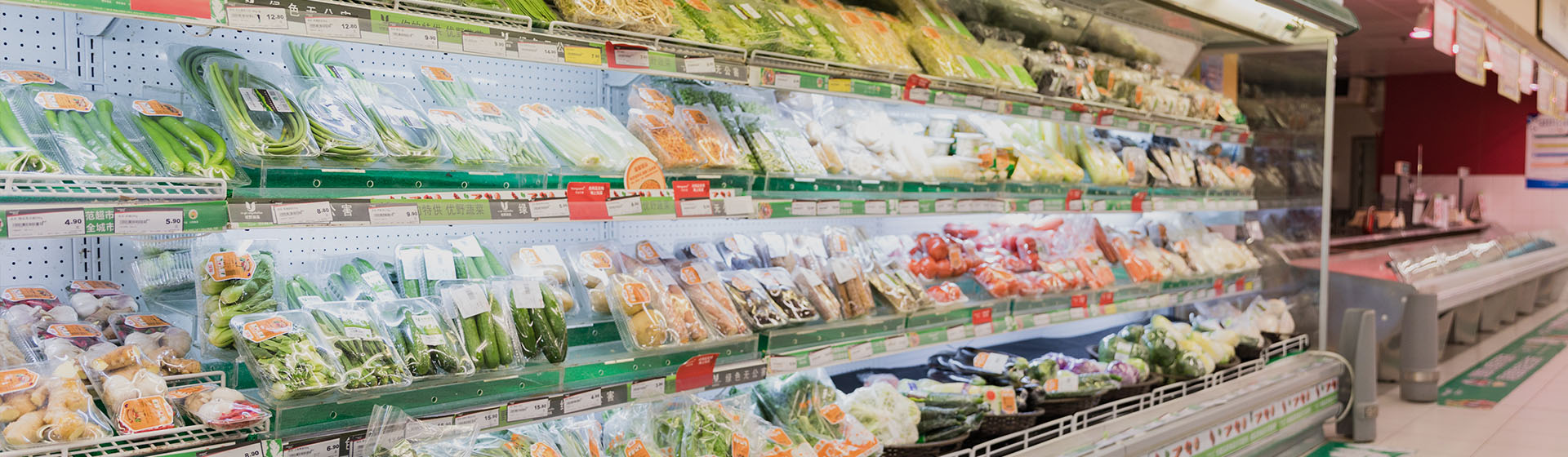
In today’s fast-paced retail and food service industry, maintaining the freshness of perishable products while optimizing energy efficiency has become a critical priority. Energy-efficient fresh-food cabinets provide a practical solution by offering superior storage conditions, reducing operational costs, and minimizing environmental impact. These cabinets are widely used in supermarkets, convenience stores, cafes, and restaurants to store fruits, vegetables, dairy products, meats, and other fresh items. This article explores the key features, benefits, and considerations for selecting the best energy-efficient fresh-food cabinets for your business.
Key Features of Energy-Efficient Fresh-Food Cabinets
Modern energy-efficient fresh-food cabinets are designed to combine functionality, sustainability, and ease of use. Their advanced features ensure optimal storage conditions while saving energy and improving operational efficiency. Some of the standout features include:
● Adjustable Shelving: Cabinets come with multi-level, adjustable shelves that allow storage of products of various sizes, improving space utilization and display flexibility.
● Smart Temperature Control: Digital or intelligent temperature control systems maintain consistent conditions, keeping fresh food items at their ideal temperatures and extending shelf life.
● Uniform Airflow: Advanced airflow design ensures even cooling throughout the cabinet, preventing hot spots and maintaining uniform freshness for all stored items.
● High-Efficiency LED Lighting: Energy-saving LED lighting provides excellent visibility for both staff and customers while minimizing heat generation and energy use.
● Hygienic and Easy-to-Clean Design: Cabinets are made with materials that are simple to clean, with removable shelves and trays to facilitate routine sanitation, ensuring compliance with food safety standards.
● Energy-Saving Modes: Many models feature smart energy-saving functions that adjust power based on load or ambient conditions, reducing electricity consumption and lowering operating costs.
Benefits of Energy-Efficient Fresh-Food Cabinets
Investing in energy-efficient fresh-food cabinets provides a variety of benefits for businesses:
● Reduced Energy Costs: Advanced insulation, efficient compressors, and LED lighting reduce electricity usage, resulting in significant cost savings over time.
● Improved Product Freshness: Precise temperature control and uniform cooling preserve the quality, taste, and nutritional value of fresh products, reducing waste.
● Sustainable Operations: Lower energy consumption helps businesses reduce their carbon footprint, aligning with sustainability goals and eco-friendly practices.
● Enhanced Display and Accessibility: Adjustable shelves and clear visibility enable better product organization and attractive displays, improving customer experience and sales.
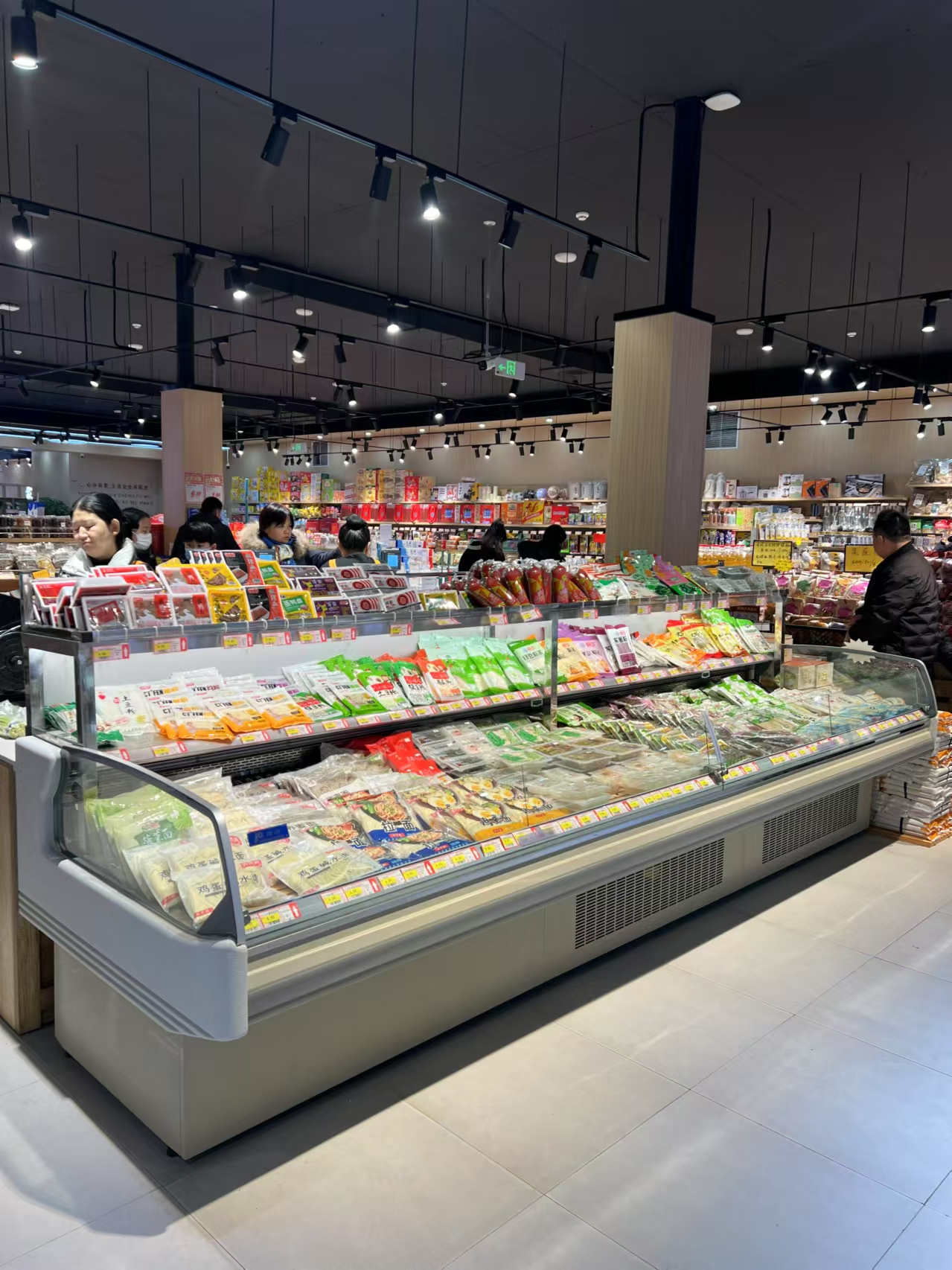
Applications and Use Cases
Energy-efficient fresh-food cabinets are versatile and can be deployed in multiple commercial environments:
● Supermarkets and Grocery Stores: Ideal for displaying fruits, vegetables, dairy, and pre-packaged fresh items, providing both preservation and visibility.
● Restaurants and Cafes: Useful for storing perishable ingredients like dairy products, meats, and produce in a hygienic and easily accessible manner.
● Convenience Stores: Small-footprint cabinets offer efficient storage for high-turnover fresh food items, while maintaining consistent freshness.
● Catering and Food Service Operations: Portable or modular energy-efficient cabinets provide flexible storage for bulk ingredients, supporting large-scale food preparation and events.
Key Considerations When Selecting Energy-Efficient Fresh-Food Cabinets
When choosing the right energy-efficient fresh-food cabinet, businesses should focus on the following factors:
● Capacity and Size: Ensure the cabinet can accommodate your typical inventory volume without compromising airflow or access.
● Energy Efficiency Rating: Look for certifications such as Energy Star or equivalent energy ratings to guarantee maximum energy savings.
● Temperature Range and Control: Opt for cabinets that offer precise temperature management to match the specific storage needs of your products.
● Maintenance Requirements: Evaluate cleaning, servicing, and any warranty options to ensure long-term reliability.
● Sustainability Features: Consider models with eco-friendly design, low-emission refrigerants, and energy-saving components to support your sustainability initiatives.
FAQ: Energy-Efficient Fresh-Food Cabinets
Q: How often should cabinets be cleaned?
A: Regular cleaning is recommended daily or weekly depending on usage to maintain hygiene and prevent bacterial growth.
Q: Can energy-efficient cabinets store frozen items?
A: No, these cabinets are designed for fresh food storage and refrigeration, not freezing. Separate freezers should be used for frozen products.
Q: Are energy-efficient cabinets more expensive?
A: Initial costs may be slightly higher than traditional models, but long-term energy savings and reduced operational expenses offset the investment.
Conclusion and Recommendations
Energy-efficient fresh-food cabinets are a smart investment for businesses seeking to improve storage quality, reduce energy costs, and support sustainable operations. By selecting cabinets with advanced features such as smart temperature control, adjustable shelving, and energy-saving lighting, businesses can maintain freshness, extend shelf life, and enhance the shopping experience.
When choosing a cabinet, consider factors such as capacity, energy efficiency, ease of maintenance, and sustainability features. Popular models with high reliability, eco-friendly design, and excellent performance can ensure that fresh food items remain safe, fresh, and visually appealing, ultimately supporting your business growth and environmental goals.
Post time: Jan-05-2026


