
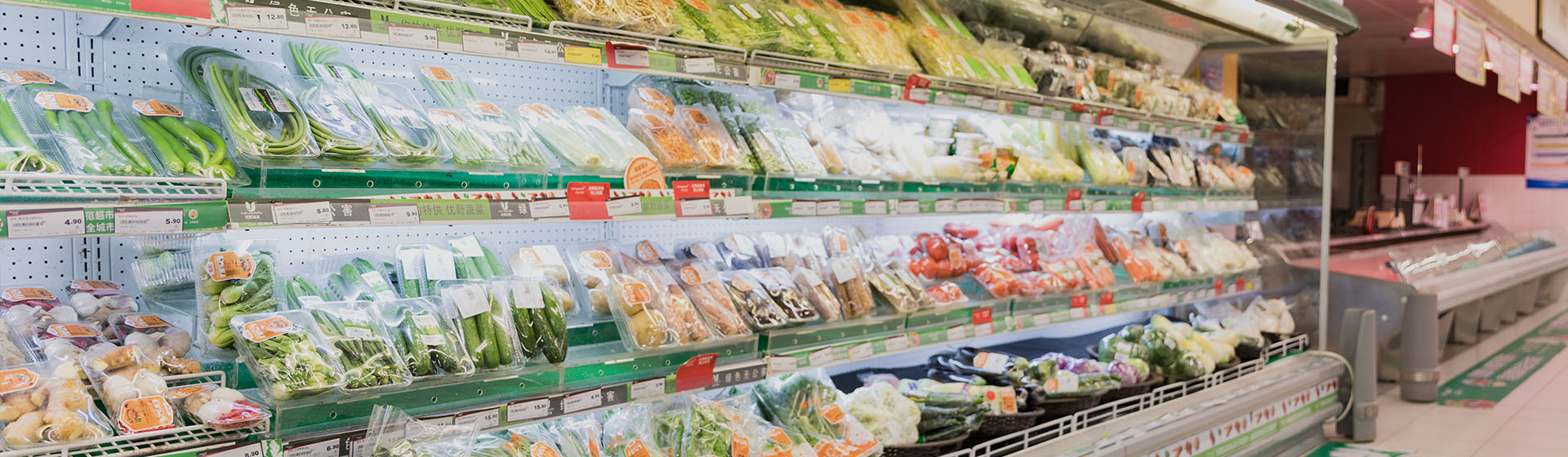
Refrigeration is one of the essential operating expenses for supermarkets, convenience stores, and food retailers. Display cabinets and storage units often run for extended hours, so their energy consumption can have a noticeable effect on monthly electricity bills. Choosing equipment based only on its purchase price may therefore overlook the costs that accumulate throughout its service life.
Energy-Efficient Commercial Refrigerators help retailers manage this expense while maintaining suitable conditions for chilled and frozen products. However, energy efficiency is not determined by one component alone. Cabinet design, cooling methods, product loading, store layout, and maintenance all influence actual energy use. Understanding these factors can help retailers select refrigeration equipment that fits both their products and operating budgets.
Why Energy Efficiency Matters in Commercial Refrigeration
Unlike many other store appliances, commercial refrigerators and freezers may operate continuously throughout the day. Their compressors, fans, lighting, and other components consume electricity as they maintain the required cooling conditions.
Even a small difference in daily energy consumption can become significant when equipment operates year-round. The impact is greater for retailers using multiple display cabinets across different departments.
- Energy consumption: How much electricity the equipment uses during normal operation.
- Maintenance requirements: Whether filters, coils, fans, and other components can be inspected and serviced conveniently.
- Operating suitability: Whether the cabinet matches the store’s product range, capacity requirements, and working environment.
A lower-priced unit may not always be the more economical choice over time. Equipment that consumes less electricity and suits the intended application may offer better long-term value, provided its purchase and maintenance costs are also reasonable.
How Cabinet Design Influences Energy Consumption
The structure of a commercial refrigerator affects how easily it maintains its internal temperature. Every time warm air enters a refrigerated space, the cooling system may need to remove additional heat. Cabinet design can therefore influence how frequently the refrigeration system operates.
Glass doors are one important consideration. A Glass Door Refrigerator creates a physical barrier between the refrigerated products and the surrounding store environment. Compared with an open display arrangement, a closed cabinet can help limit warm air entering the refrigerated space.
Door quality and sealing also matter. Poorly fitted doors or worn gaskets can allow cold air to escape and warm air to enter. This may increase the workload of the refrigeration system and make temperature control less consistent.
For retailers, the choice between open and closed display equipment should depend on product presentation and customer access requirements. A glass-door cabinet may suit packaged beverages, dairy products, and frozen goods, while an open display unit may be more convenient for products customers need to select quickly.
The most suitable design is one that balances accessibility, visibility, and energy performance rather than prioritizing only one factor.
Cooling Systems and Airflow Affect Operating Efficiency
The refrigeration system determines how heat is removed from the cabinet, while airflow helps distribute cooling across the display area. Both influence energy consumption and product storage conditions.
In multideck display cabinets, air curtains help separate the refrigerated space from the surrounding store environment. If the airflow is disrupted by improperly arranged products, excessive loading, or nearby ventilation, the cabinet may struggle to maintain its intended conditions.
A well-designed system should distribute cooling appropriately without requiring unnecessary energy to compensate for poor product arrangement or unsuitable installation conditions.
When comparing Energy-Efficient Commercial Refrigerators, retailers should examine:
- Whether the cooling system matches the cabinet’s intended application.
- Whether air outlets and return passages remain unobstructed during normal loading.
- Whether the equipment can maintain suitable conditions under the store’s expected operating environment.
- Whether the manufacturer provides clear guidance on loading, installation, and operation.
Energy efficiency should not come at the expense of product suitability. A cabinet that consumes less electricity but cannot maintain the required conditions for its intended products is not an appropriate choice.

Select the Right Refrigerator Type for Each Retail Area
Using the same type of refrigeration equipment throughout a store is not always practical. Different products require different display methods, access arrangements, and storage conditions. Matching cabinet types to individual retail areas can help avoid unnecessary cooling capacity and inefficient use of space.
For beverages and dairy products, upright glass-door cabinets provide clear product visibility while limiting direct exposure to surrounding air. They can be useful in convenience stores and supermarket beverage sections where customers frequently select individual items.
For fresh food and deli products, a suitable Deli Refrigerator should provide convenient access and an organized display area. Retailers should consider product presentation, staff replenishment, and cleaning requirements when choosing the cabinet.
For frozen products, Island Freezers can provide accessible storage and display in central supermarket areas. Sliding glass lids help separate the refrigerated space from the store environment while allowing customers to view products without fully opening the cabinet.
Store Layout and Installation Also Affect Energy Use
Even well-designed refrigeration equipment may consume more energy if it is installed in an unsuitable location. The surrounding environment influences the amount of heat entering the cabinet and the workload placed on the cooling system.
Placing refrigerators near ovens, direct sunlight, or other heat sources can increase cooling demand. Similarly, insufficient ventilation around equipment may affect heat dissipation and operating performance.
Store layout should also account for customer movement and product access. If display cabinets are positioned in areas with strong drafts from air-conditioning outlets or frequently opened exterior doors, their cooling conditions may become less stable.
Before installation, retailers should check the manufacturer’s requirements for ventilation clearance, ambient temperature, electrical supply, and equipment positioning. Planning these details in advance can reduce avoidable operating problems.
For stores installing several Commercial Refrigerators, coordinating the layout can also make maintenance and product replenishment more convenient. Equipment should be arranged so that staff can access service areas without repeatedly disrupting store operations.
Maintenance Practices That Help Reduce Energy Costs
Energy efficiency does not end when the equipment is purchased. Dust accumulation, damaged door seals, blocked air passages, and neglected components can gradually reduce refrigeration performance.
- Cleaning heat-exchange components: Dust and debris on condenser coils can interfere with heat transfer. Cleaning should follow the manufacturer’s maintenance instructions.
- Checking door seals: Damaged gaskets or doors that do not close properly can allow warm air to enter the cabinet.
- Keeping airflow paths clear: Products should not block air outlets, return openings, or ventilation areas.
- Inspecting operating conditions: Unusual noise, excessive frost, water accumulation, or inconsistent temperatures may indicate that equipment needs attention.
Staff practices also influence energy use. Keeping doors closed when not needed, avoiding excessive loading, and following recommended temperature settings can reduce unnecessary cooling demand.
These actions are relatively simple, but they become more effective when incorporated into routine store management rather than being performed only after a problem appears.
What Retailers Should Compare Before Purchasing
When choosing Energy-Efficient Commercial Refrigerators, retailers should compare equipment according to actual operating requirements instead of relying on broad marketing descriptions.
Important considerations include energy consumption under comparable testing conditions, cabinet capacity, cooling method, door configuration, and intended application. Buyers should request product documentation and check whether energy performance information is available for the specific model.
It is also useful to estimate the long-term operating cost. A basic comparison can include the purchase price, expected annual electricity use, local electricity rates, maintenance expenses, and expected service life. This gives retailers a clearer picture of the financial difference between equipment options.
Dashang offers commercial refrigeration solutions for different retail environments, including Glass Door Refrigerator, Open Display Fridges, Island Freezers, and Deli Refrigerator ranges. Its product portfolio also includes display solutions for supermarkets and convenience stores. Retailers planning new stores or upgrading existing refrigeration areas can compare these cabinet types according to product categories, display requirements, and available space. Selecting equipment that matches the intended application is an important step toward balancing product presentation with long-term operating costs.
Conclusion
Energy-Efficient Commercial Refrigerators can help retailers manage electricity expenses, but actual performance depends on more than the equipment itself. Cabinet design, cooling systems, store layout, installation, loading, and maintenance all influence energy consumption. By evaluating these factors together, retailers can choose refrigeration equipment that supports product requirements while improving long-term operating efficiency.
FAQ
1. Are glass-door commercial refrigerators more energy-efficient than open display cabinets?
Closed glass-door cabinets can help reduce the entry of warm air compared with open displays. However, actual energy consumption depends on the equipment design, capacity, operating conditions, and product application.
2. Does a larger commercial refrigerator always consume more electricity?
Not necessarily. Energy use depends on factors such as cabinet design, insulation, cooling system, operating conditions, and loading. Buyers should compare energy information for models with similar applications.
3. How often should commercial refrigeration equipment be maintained?
Maintenance frequency depends on the equipment and operating environment. Retailers should follow the manufacturer’s schedule and inspect important components regularly, especially door seals, condenser coils, and airflow passages.
4. What information is needed to estimate the operating cost of a commercial refrigerator?
Useful information includes the model’s energy consumption, expected operating hours, local electricity rate, maintenance requirements, and anticipated service life.
Post time: Nov-13-2026


