
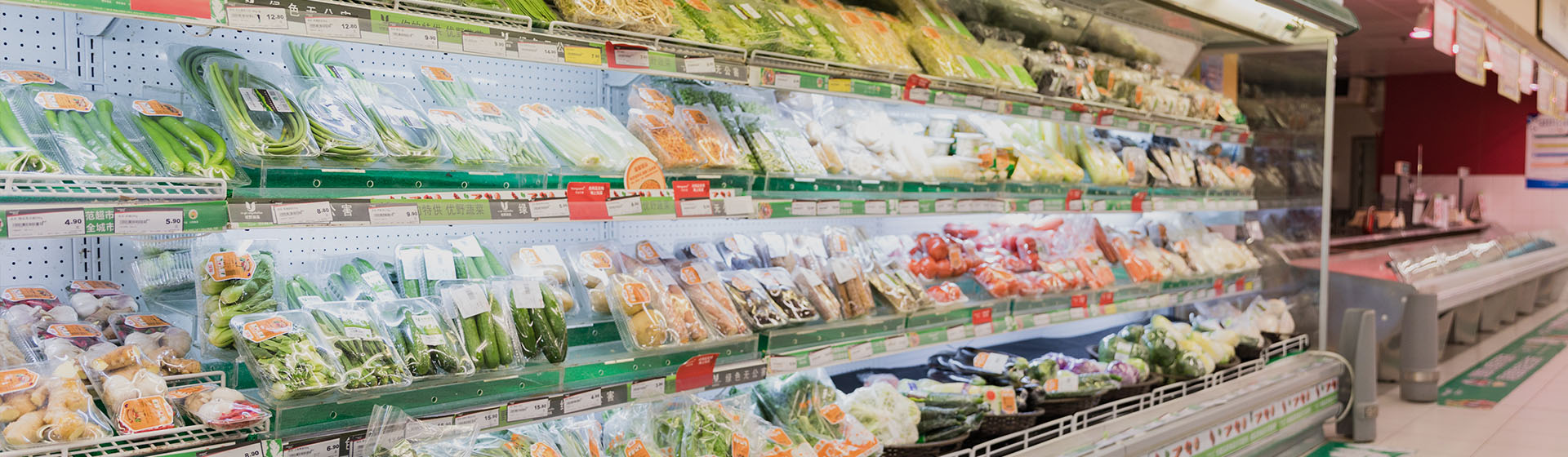
With the rapid expansion of fresh food retail, commercial kitchens and food service outlets, temperature-controlled refrigeration plays a vital role in daily operations. As one of the most widely used solutions in commercial cold storage, a display chiller has become essential for showcasing perishable products, maintaining hygiene standards and improving customer appeal. For B2B buyers and refrigeration solution providers, selecting the right unit affects food-safety performance and energy consumption.
Core Value of a Display Chiller
A display chiller is designed specifically for food presentation and chilled storage under stable temperature conditions. Compared with conventional refrigerators, it focuses on product visibility and long-term performance.
Key advantages include:
• Strong product visibility for customer interaction
• Stable temperature conditions for food quality
• Reduced spoilage and longer shelf life
• Better merchandising for fresh products
• Higher hygiene and regulatory compliance
In retail and food-service environments, it improves product turnover and food safety.
Where a Display Chiller Is Used
A display chiller is utilized across a wide range of commercial settings, including:
• Supermarkets and hypermarkets
• Milk, deli, bakery and beverage sections
• Restaurants and food-service counters
• Convenience stores and hotel retail locations
• Food distribution and retail cold-chain areas
Its role is expanding along with the demand for ready-to-eat products and chilled food categories.
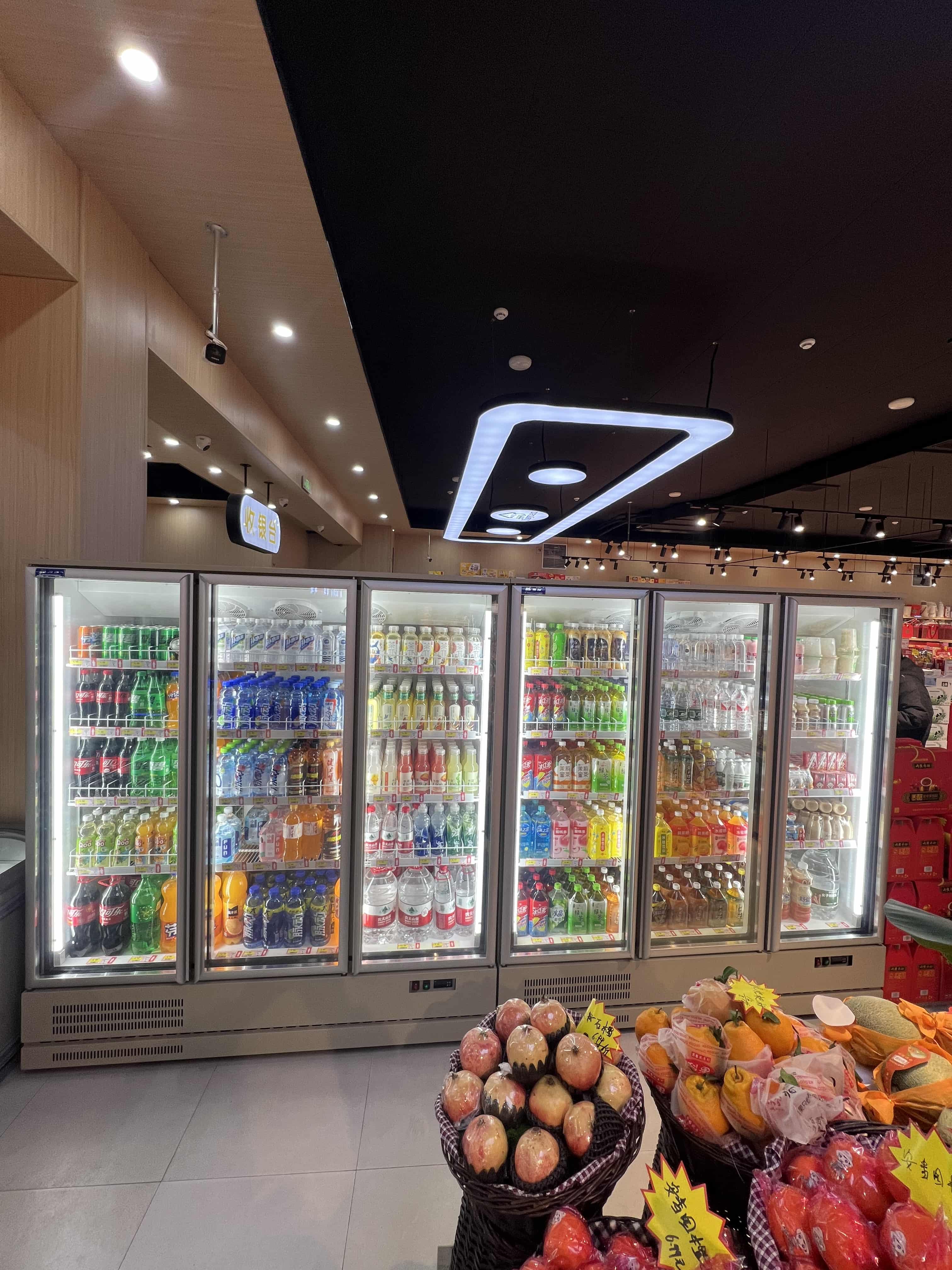
Design and Construction Features
Commercial-grade chillers are manufactured with durability, ergonomics and merchandising in mind:
• Insulated glass doors and transparent panels
• Stainless steel interior and food-grade components
• LED lighting for enhanced visibility
• Efficient refrigeration systems and airflow management
These features ensure temperature consistency and attractive product presentation.
Temperature Technology and Cooling Solutions
• Multi-zone temperature range
• Fan-assisted air circulation
• Automatic defrosting solutions
• Humidity and airflow control
This prevents dehydration, frost and uneven cooling.
Display and Merchandising Effect
A display chiller helps retailers:
• Showcase products in an organized way
• Improve customer access and purchasing intention
• Increase product visibility and revenue
• Support seasonal and promotional displays
It is not only about refrigeration, but also about sales optimization.
Display Chiller vs Standard Refrigeration
Key differences:
• Better temperature stability
• Enhanced visibility and merchandising
• Higher energy efficiency
• Continuous commercial-grade operation
It is designed to perform in demanding retail environments.
Choosing the Right Display Chiller
Key selection criteria:
-
Food category and capacity
-
Temperature range and cooling method
-
Store layout and visual requirements
-
Energy usage and long-term costs
-
Hygiene requirements and durability
The right choice increases operational efficiency and customer satisfaction.
Conclusion
A display chiller is more than a cooling unit—it integrates preservation, merchandising and commercial performance. For B2B buyers, investing in a high-performance display chiller means better food safety, improved product presentation and more efficient business operations.
FAQ
1. What temperature should a display chiller maintain?
Generally between 0°C and 10°C.
2. Is a display chiller energy efficient?
Modern models are designed for low-energy operation.
3. What industries use display chillers?
Retail, food service, supermarkets and cold-chain distribution.
4. What should be considered before purchase?
Capacity, cooling system, layout, hygiene and cost.
Post time: Dec-02-2025


