
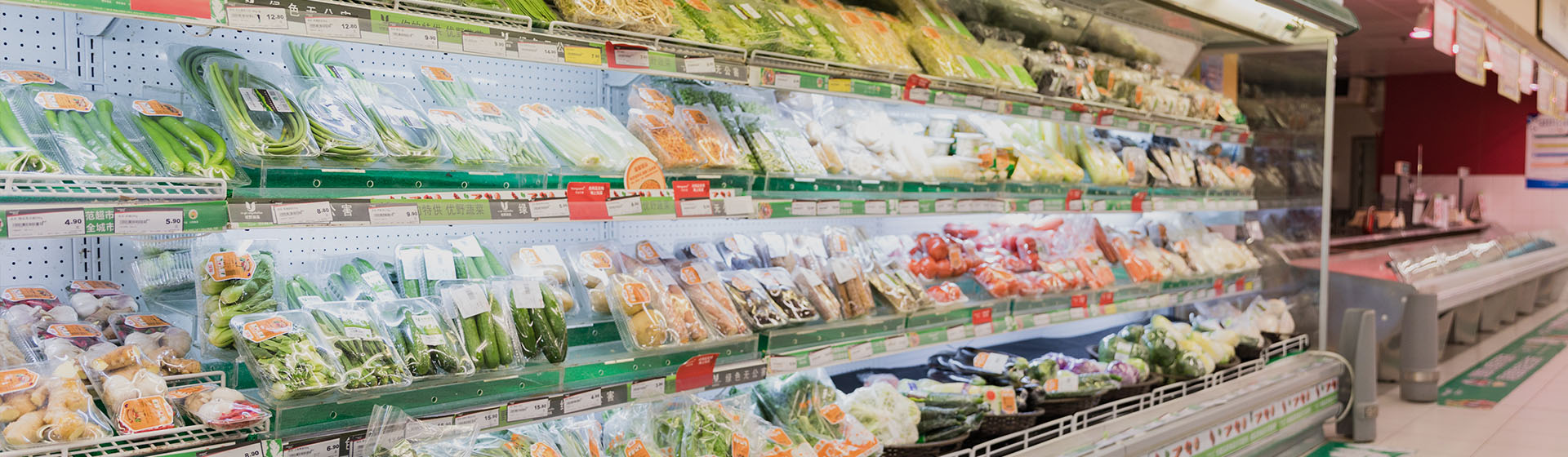
In the modern food retail and cold-chain industry, proper meat display and storage are essential for food safety, customer attraction, and operational efficiency. Whether in supermarkets, grocery chains, butcher shops, food processing facilities, or convenience stores, a display cabinet for meat has evolved from a simple refrigeration unit to a professional equipment solution that integrates temperature control, hygiene management, product presentation, and sales optimization. For B2B buyers, choosing the right meat display cabinet is a strategic decision that impacts energy usage, food preservation quality, and store layout performance.
This article provides an in-depth guide to the functions, features, selection criteria, and commercial benefits of using a display cabinet for meat.
What Is a Display Cabinet for Meat?
A display cabinet for meat is a commercial refrigeration unit designed to store and showcase fresh meat, frozen meat, poultry, deli products, and processed meat under controlled temperature. Unlike standard refrigerators, meat display cabinets offer enhanced preservation technology and large viewing visibility for retail customers.
Core features include:
• Professional temperature range for meat storage
• High transparency for product visibility
• Consistent cooling distribution and airflow design
• Hygienic surface materials and drainage systems
• Designed for continuous operation in retail environments
These cabinets ensure the meat remains fresh, safe, and visually appealing, encouraging customer purchasing behavior.
Benefits of Using a Display Cabinet for Meat
A professional meat display cabinet offers far more value than simply keeping products cold. It improves food handling, customer perception and retail profit.
Major benefits include:
• Maintains optimal storage temperature
• Extends shelf life of meat products
• Enhances the product appearance and presentation
• Improves hygiene and food safety compliance
• Saves energy and reduces operational cost
• Supports self-service or assisted service models
With strict food regulations and consumer expectations rising, the display cabinet plays an essential role in retail operations.
Applications Across Food Retail and Commercial Sectors
Display cabinets for meat are widely used in food distribution and cold-chain retail environments. Their function goes beyond simple storage—they improve product display efficiency.
Typical applications include:
• Supermarkets and food retail chains
• Butcher shops and meat processing counters
• Restaurants and gourmet food stores
• Fish, poultry and seafood departments
• Hypermarkets and cold storage facilities
• Convenience stores and specialty food markets
These cabinets are also important in temperature-controlled supply chains where meat must remain visible and accessible.
Design and Structural Characteristics
Display cabinets for meat must integrate refrigeration performance with ergonomic product presentation. High-quality units usually include:
• Double-layer insulated glass for temperature retention
• Efficient evaporators and condensers
• Stainless-steel interior for hygiene and durability
• LED lighting for product illumination
• User-friendly access and arrangement space
The structural design ensures temperature uniformity and stable long-term operation.
Refrigeration and Temperature Control Technology
Correct temperature regulation is essential for meat preservation. Modern display cabinets are equipped with advanced cooling systems.
Key performance aspects include:
• Adjustable temperature control
• Air curtain systems or fan-assisted cooling
• Automatic defrosting functions
• Humidity and airflow management
These functions prevent dehydration, discoloration, and bacterial growth, maintaining product freshness.
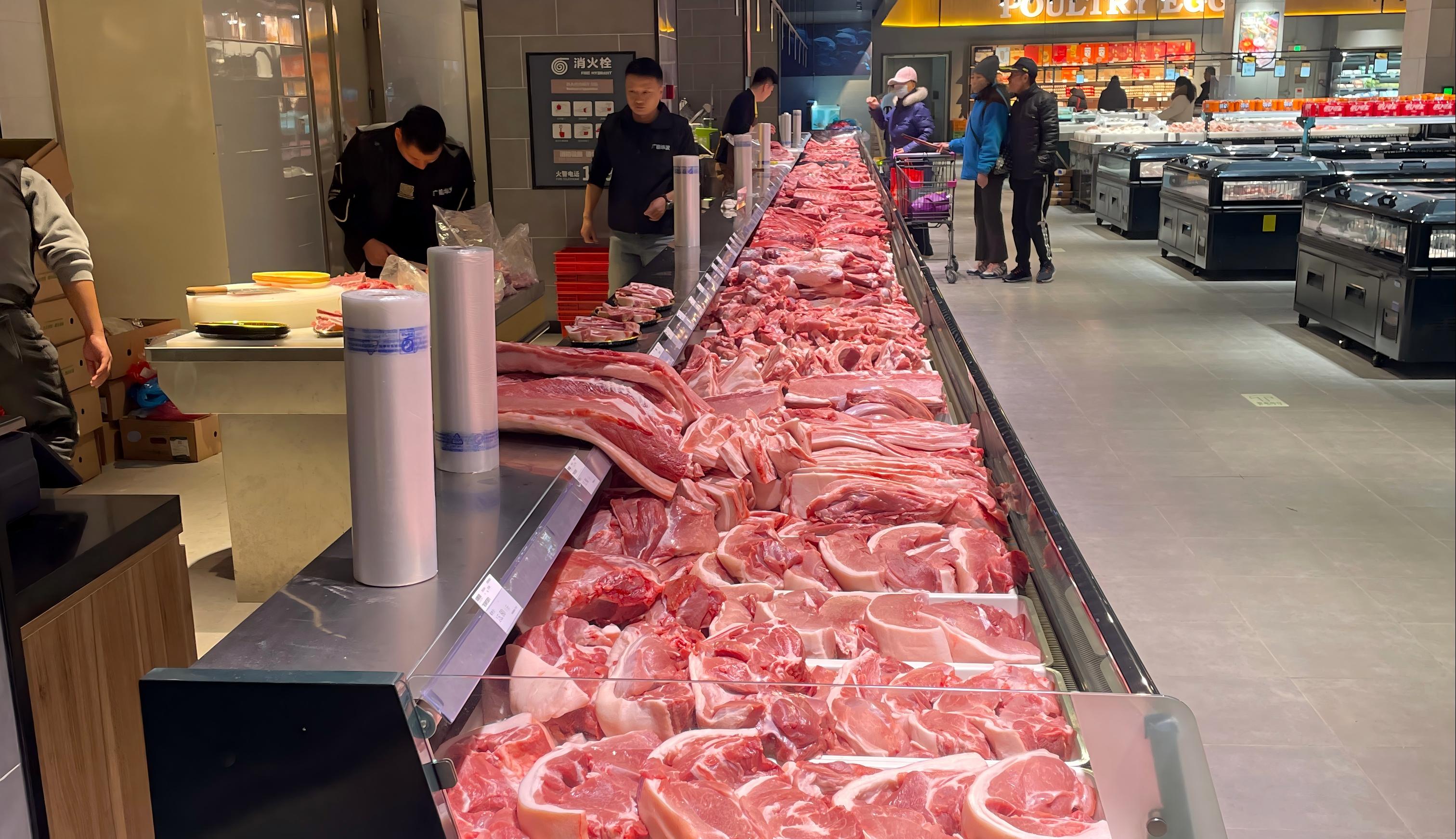
Display and Merchandising Advantages
Visual merchandising is crucial for driving sales in food retail. Meat display cabinets enhance product attractiveness and improve customer browsing convenience.
Commercial advantages include:
• Maximizes visibility of displayed meat
• Supports different display styles (stacking, trays, packaged goods)
• Improves customer accessibility
• Encourages impulse and bulk purchasing
A properly designed cabinet increases product turnover and optimizes the store layout strategy.
Comparison With Standard Refrigeration Units
Unlike conventional freezers or refrigerators, a display cabinet for meat is specially engineered for food-grade storage and industrial usage.
Key differences:
• Better temperature stability
• Higher display visibility
• Improved airflow distribution
• Stronger moisture control to prevent surface drying
• Designed for retail presentation
For professional cold-chain operations, the display cabinet delivers superior preservation results.
How to Choose the Right Display Cabinet for Meat
Choosing the proper unit requires evaluating technical and operational requirements.
Key selection criteria:
-
Required temperature range and capacity
-
Type of meat products displayed (fresh, frozen, deli, poultry)
-
Store layout and cabinet design style
-
Cooling technology and energy efficiency
-
Lighting and product visibility
-
Hygiene materials and cleaning capability
-
Power consumption and long-term running cost
Correct selection improves meat freshness, product turnover and energy efficiency.
Energy Efficiency and Cost Optimization
Energy consumption is an important factor in retail refrigeration. Modern display cabinets are engineered to help businesses lower cost.
Energy-saving features include:
• High-efficiency compressors and fans
• Low-emission refrigerants
• Thermal insulation and door sealing technology
• Intelligent control systems
These advantages reduce operational energy use and help meet sustainability goals.
Market Demand and Industry Growth
Demand for meat display cabinets continues to grow as global food retail evolves. The main growth drivers include:
• Expansion of grocery and supermarket formats
• Higher consumer demand for fresh food
• Increasing investment in cold-chain infrastructure
• Food safety and hygiene regulations
The display cabinet has become a standard piece of commercial supermarket equipment worldwide.
Conclusion
A display cabinet for meat is a critical part of commercial food retail and cold-chain operations. With professional temperature control, hygienic design, high visibility, and energy efficiency, these cabinets support improved food preservation and customer purchasing behavior. For B2B buyers in retail, food processing and distribution, investing in a high-quality meat display cabinet enhances operational efficiency and improves product quality, customer satisfaction, and store profitability.
FAQ
1. Where is a display cabinet for meat typically used?
Supermarkets, butcher shops, restaurants, delis and cold-chain retail environments.
2. What temperature should a meat display cabinet maintain?
Depending on the meat type—typically between 0°C and 5°C for fresh meat.
3. Are these cabinets energy-efficient?
Yes, modern units are optimized for low energy consumption and continuous operation.
4. What features are important to consider before buying?
Cooling technology, capacity, hygiene design, operating cost and energy efficiency.
Post time: Dec-02-2025


