
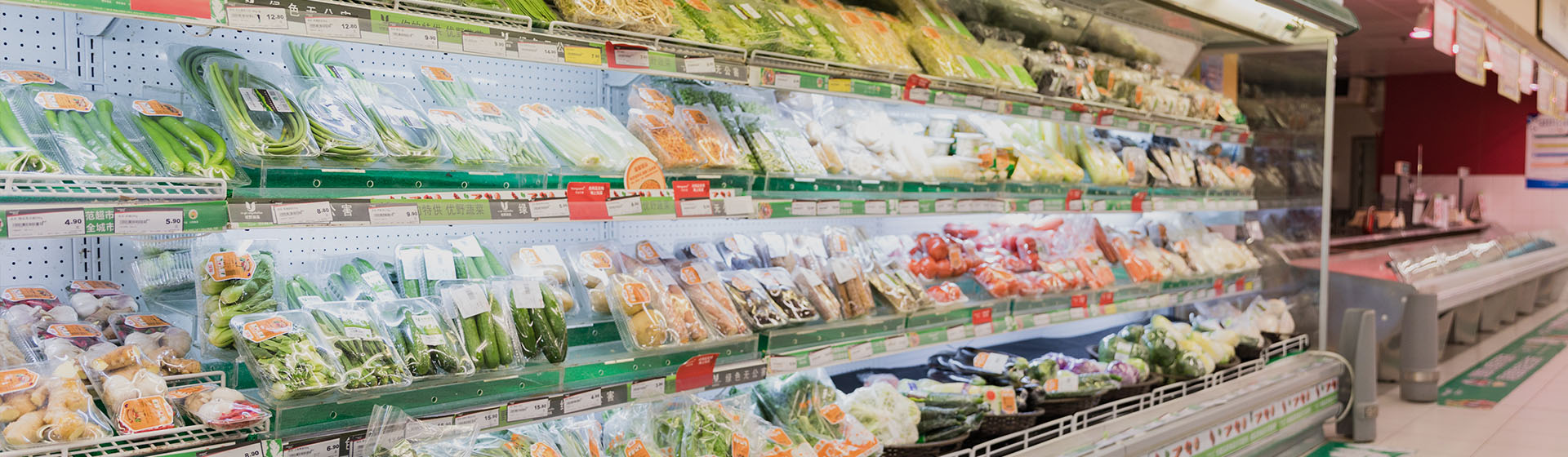
Fresh food presentation directly influences customer purchasing decisions. In retail environments such as supermarkets, delis, and convenience stores, deli cabinets play a critical role in maintaining product quality while enhancing visual appeal. Choosing the right deli cabinet is not just about refrigeration—it is about optimizing sales, hygiene, and operational efficiency.
What Are Deli Cabinets and Why Do They Matter?
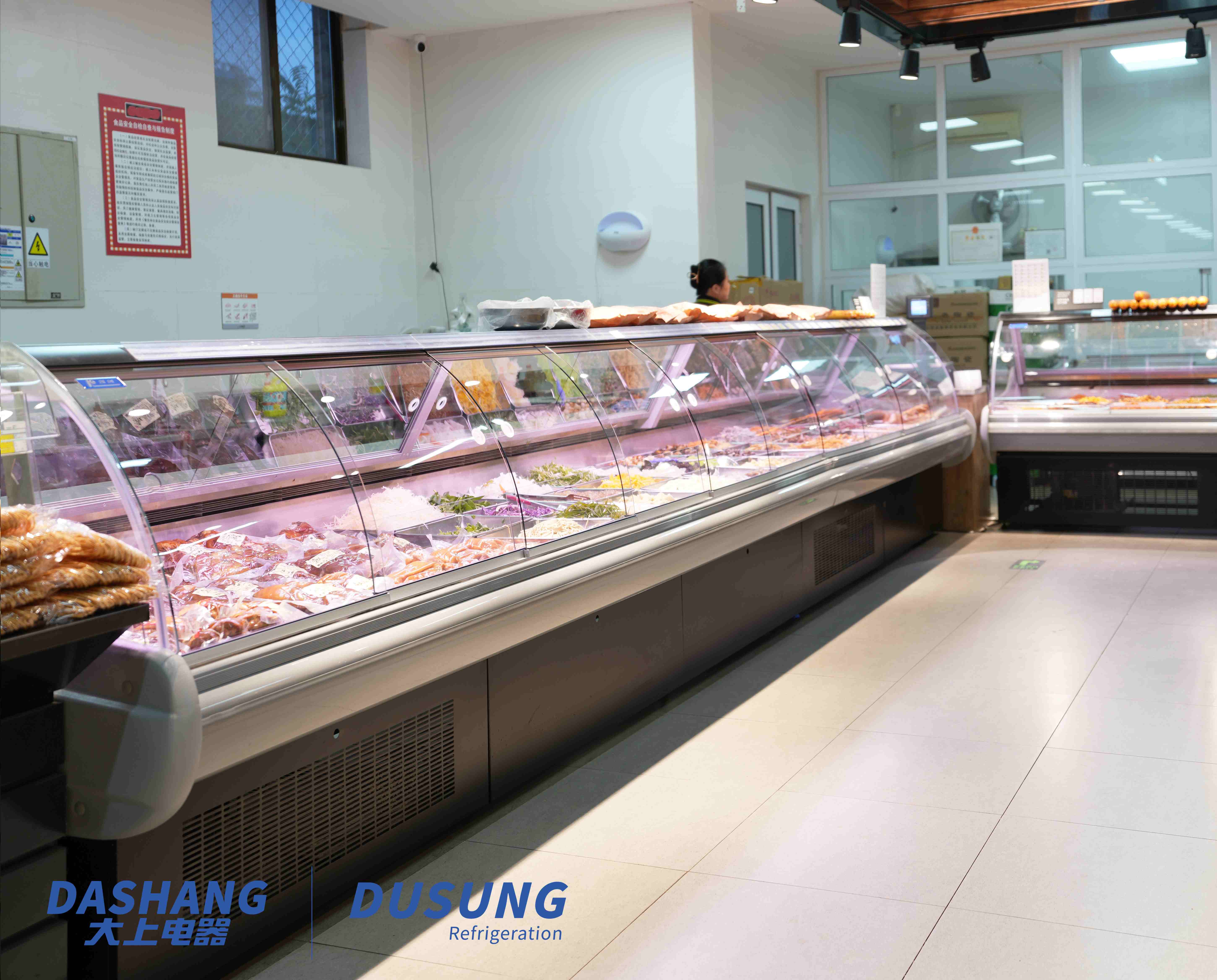
Deli cabinets are refrigerated display units specifically designed to store and showcase perishable foods such as meats, cheeses, salads, and ready-to-eat meals. Unlike standard refrigeration units, they combine temperature control with high-visibility presentation.
These cabinets are widely used in food retail environments where both freshness and appearance are equally important. A well-designed deli cabinet ensures that products remain safe for consumption while also attracting customers through clear, appealing displays.
Key Types of Deli Cabinets in Commercial Use
Different business scenarios require different cabinet configurations. Understanding the main types helps buyers select the most suitable solution.
● Serve-Over Deli Cabinets
These are commonly used in butcher shops and deli counters. Staff serve customers directly, ensuring hygiene and portion control.
● Self-Service Deli Cabinets
Ideal for supermarkets and convenience stores, allowing customers to pick products independently, increasing purchasing convenience and impulse buying.
● Hot & Cold Combination Cabinets
Some advanced models combine both chilled and heated sections, allowing retailers to display a wider range of food items in one unit.
● Open Front Multideck Cabinets
Designed for quick access and high product turnover, often used for pre-packaged deli items in busy retail environments.
Core Features That Define High-Quality Deli Cabinets
When evaluating deli cabinets, performance and durability should be the main focus. Several technical features directly impact long-term efficiency.
● Consistent Temperature Control
Maintaining stable temperatures (typically between 0°C and 5°C) ensures food safety and extends shelf life.
● Energy Efficiency Systems
Modern cabinets use advanced compressors and insulation materials to reduce power consumption and operating costs.
● Anti-Fog Glass and LED Lighting
Clear visibility enhances product presentation. LED lighting not only improves aesthetics but also consumes less energy.
● Hygienic Design and Easy Cleaning
Stainless steel interiors, removable trays, and smooth surfaces simplify maintenance and ensure compliance with food safety standards.
● Flexible Storage Configuration
Adjustable shelves and modular layouts allow businesses to adapt the cabinet for different product types.
Applications Across Food Retail and Catering
Deli cabinets are essential in a wide range of commercial environments. Their adaptability makes them a key investment for businesses dealing with fresh and prepared foods.
● Supermarkets and Hypermarkets
Used for packaged meats, cheeses, and ready meals, supporting high-volume sales and self-service convenience.
● Delicatessens and Butcher Shops
Serve-over cabinets allow staff to maintain product control and interact directly with customers.
● Hotels and Catering Services
Buffet-style deli cabinets keep food fresh while ensuring attractive presentation for guests.
● Convenience Stores and Quick-Service Retail
Compact self-service units maximize space utilization and improve product accessibility.
How Deli Cabinets Improve Sales and Customer Experience
The role of deli cabinets extends beyond storage. They directly impact customer behavior and revenue generation.
● Enhanced Product Visibility
Clear displays and proper lighting make food more appealing, encouraging impulse purchases.
● Improved Food Safety Perception
Customers are more likely to trust products stored in clean, well-organized cabinets.
● Efficient Store Layout Optimization
Strategic placement of cabinets improves traffic flow and increases exposure to high-margin products.
● Reduced Food Waste
Stable refrigeration minimizes spoilage, helping businesses control costs and improve sustainability.
Trends in Modern Deli Cabinet Design
As food retail evolves, deli cabinets are becoming more advanced and aligned with industry trends.
● Eco-Friendly Refrigerants
Many manufacturers are adopting environmentally friendly refrigerants to meet global regulations.
● Smart Temperature Monitoring
Digital control systems allow real-time monitoring and alerts, reducing the risk of product loss.
● Custom Branding and Design
Retailers increasingly request customized finishes and layouts to match store branding.
● Compact and Modular Solutions
Flexible designs make it easier to expand or rearrange store layouts as business needs change.
Factors to Consider Before Purchasing Deli Cabinets
Selecting the right deli cabinet requires careful evaluation of operational needs and long-term goals.
● Available Space and Layout
Measure the installation area and consider customer flow before choosing cabinet size and type.
● Product Range and Volume
Different foods require different storage conditions, so capacity and configuration should match inventory.
● Energy Consumption and Maintenance Costs
Lower operating costs contribute to better return on investment over time.
● Compliance with Food Safety Standards
Ensure the cabinet meets local and international hygiene and refrigeration standards.
Conclusion
Deli cabinets are a vital component of modern food retail, combining refrigeration technology with effective product presentation. From supermarkets to specialty stores, the right cabinet enhances food safety, improves customer experience, and drives sales growth. By focusing on performance, energy efficiency, and design flexibility, businesses can make a strategic investment that supports long-term success in competitive markets.
FAQ
1. What temperature should deli cabinets operate at?
Most deli cabinets operate between 0°C and 5°C, which is ideal for preserving fresh meats, cheeses, and prepared foods.
2. Are deli cabinets suitable for self-service environments?
Yes, self-service deli cabinets are specifically designed to allow customers easy access while maintaining proper refrigeration.
3. How do deli cabinets help reduce food waste?
By maintaining stable temperatures and proper humidity levels, they extend the shelf life of perishable products and minimize spoilage.
4. What is the difference between deli cabinets and standard refrigerators?
Deli cabinets are designed for both storage and display, offering better visibility, accessibility, and merchandising capabilities compared to standard refrigeration units.
Post time: Apr-02-2026


