
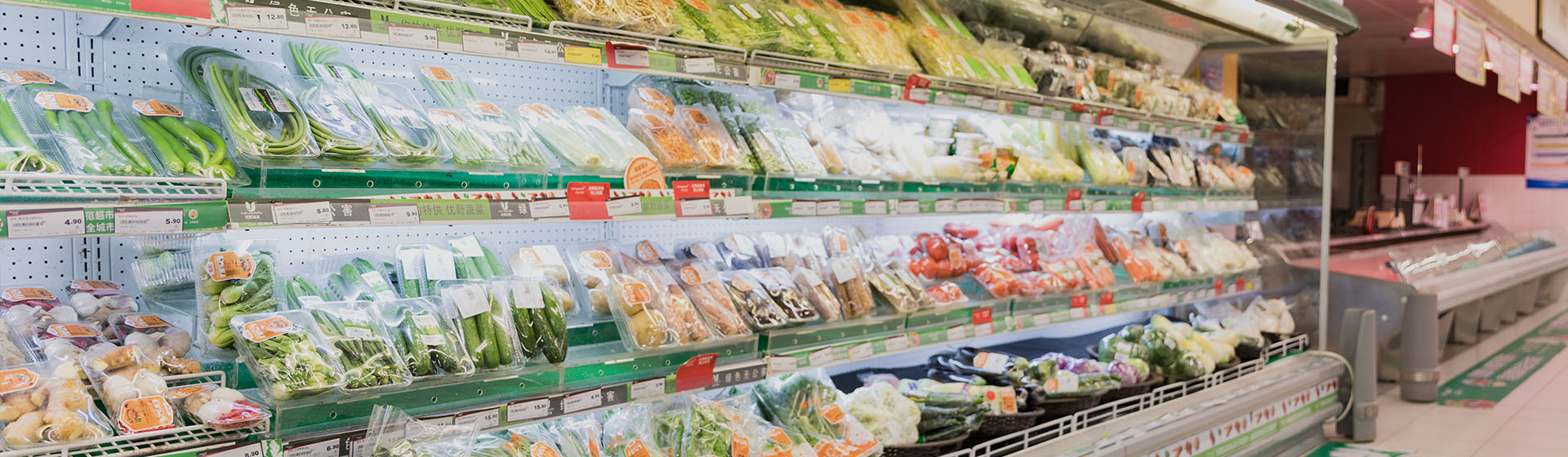
Deli products can lose their fresh appearance even when they are stored in a refrigerated display. Sliced meats may develop dry edges, cheese can become harder on exposed surfaces, and prepared foods may lose moisture before the end of the day. These changes do not always indicate a refrigeration failure. They can also result from airflow, product arrangement, exposure time, and the way a display cabinet is designed.
Understanding these differences helps retailers maintain product quality without relying on temperature adjustments alone. A well-matched Deli Cabinet should support stable refrigeration, suitable air circulation, and practical product arrangement.
Why Different Deli Products Lose Moisture at Different Rates
Moisture loss varies according to the composition, surface area, and preparation method of each food. Thinly sliced cooked meat, for example, exposes more surface area to the surrounding air than a large, uncut piece. This can make the edges of sliced products dry out more quickly, especially when they remain uncovered for extended periods.
Cheese behaves differently depending on its type and condition. Hard cheeses generally tolerate exposure better than soft varieties, while cut surfaces can gradually become firm or develop a dry layer. Prepared salads, cooked vegetables, and other ready-to-eat foods also respond differently to refrigeration because their moisture content, ingredients, and surface textures vary. This is why a single display setting may not produce identical results across every product category. A Deli Cabinet needs to maintain suitable storage conditions while accommodating foods with different handling requirements.
How Airflow Can Accelerate Surface Drying
Refrigeration systems circulate air to remove heat and help maintain the required temperature. However, moving air can also increase moisture loss from exposed food surfaces. When air continually passes over uncovered sliced meats or prepared foods, moisture may evaporate more quickly, particularly if the products remain in the same position for long periods.
The relationship between airflow and drying depends on the cabinet’s design and the arrangement of the products. Air distribution that is uneven may leave some areas warmer than others, while strong direct airflow can affect exposed items more noticeably. Blocking air outlets with trays, packaging, or excessive stock can also interfere with the cabinet’s intended circulation pattern.
- Product position: Items placed directly in a strong airflow path may dry faster than those in less exposed areas.
- Loading practices: Overstocking or blocking air outlets can disrupt the designed circulation pattern.
- Exposure time: Products left uncovered for extended periods may lose more moisture than items protected between serving periods.
- Visible differences: If products in one section consistently dry faster than similar items elsewhere, the airflow pattern and loading arrangement may need inspection.
A properly selected Deli Cabinet should provide refrigeration and air circulation appropriate to its intended application. Correct loading is equally important because even suitable equipment may perform inconsistently when its airflow paths are obstructed.
Temperature Stability Does Not Guarantee Moisture Retention
A cabinet may maintain an acceptable temperature while exposed food gradually loses water. Conversely, temperature fluctuations can affect food quality and may create additional concerns even when obvious drying is not present.
Frequent door opening, repeated loading of products, and changes in surrounding conditions can place additional demands on the refrigeration system. If the cabinet struggles to recover after these events, products may experience less consistent storage conditions. However, lowering the temperature is not automatically the right response to dry surfaces. Excessively low temperatures can affect the texture of certain foods, and the appropriate setting depends on the product and applicable food-safety requirements.
Retailers should distinguish between a temperature problem and a moisture-management problem before changing operating settings. Check actual product and cabinet temperatures using suitable monitoring methods, and compare readings across different display areas. If temperatures remain stable but drying continues, attention should also turn to uncovered exposure, airflow, preparation practices, and display duration. The purpose of a Deli Cabinet is not simply to make products cold. It must support the intended storage and display conditions for the food being sold.
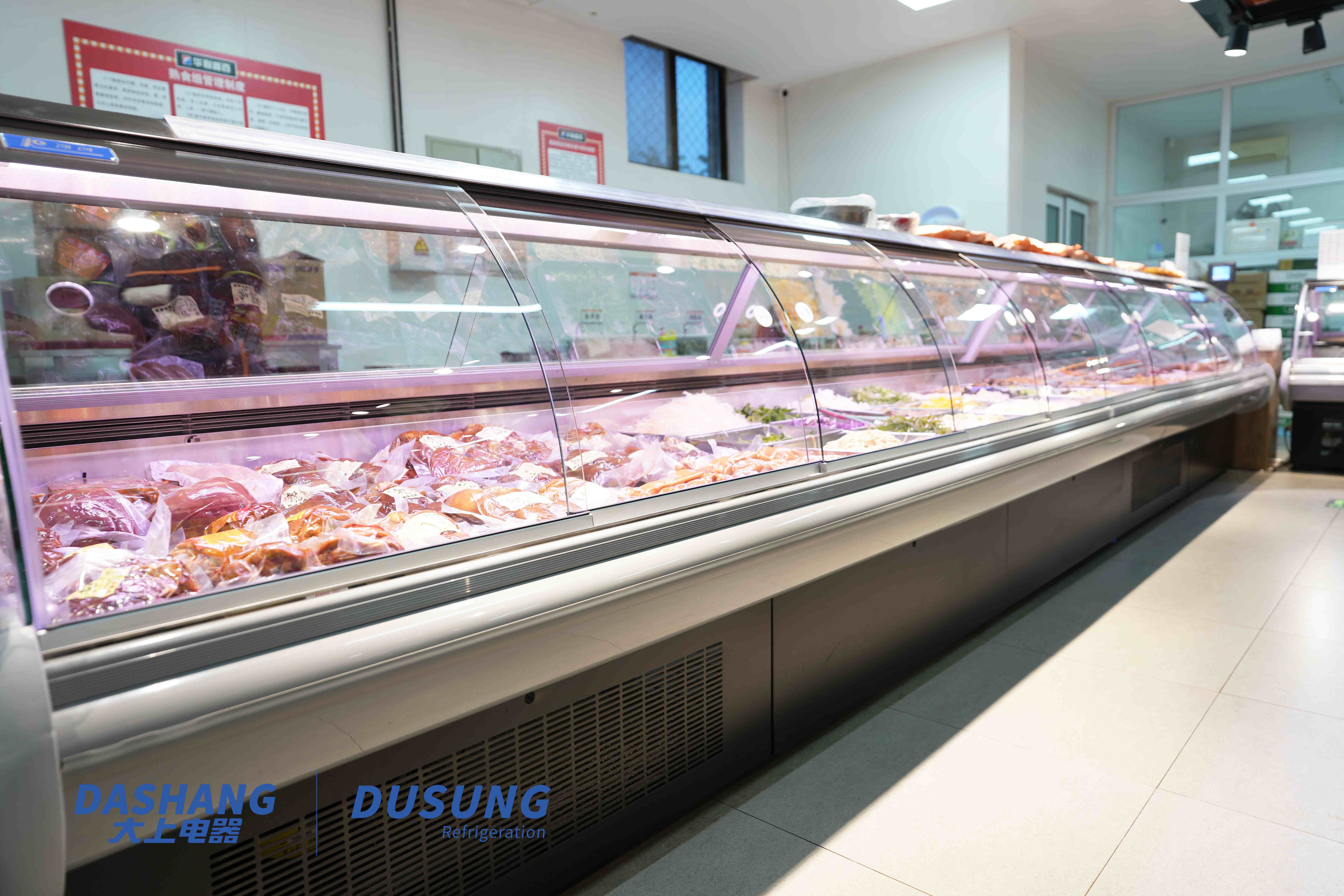
How Display Time and Product Handling Affect Freshness
Even under appropriate refrigeration, exposed deli products can gradually change in appearance and texture. The longer a cut surface remains exposed, the more opportunity there is for moisture to escape. Frequent serving, handling, and rearrangement can further increase exposure, particularly when products are repeatedly uncovered during busy periods. Packaging and preparation practices therefore play an important role. Protective covers, suitable food-grade containers, and appropriate wrapping can reduce unnecessary exposure when products are not being served.
- Limit unnecessary exposure: Keep products covered when they do not need to be directly accessible for service.
- Use suitable portions: Display quantities that match expected demand instead of exposing the entire stock at once.
- Follow stock rotation: Rotate products according to established food-handling procedures so older stock is managed appropriately.
- Standardize handling: Use consistent preparation, covering, and replenishment routines across shifts.
- Inspect product condition: Look for dry edges, texture changes, or differences between items displayed for different lengths of time.
These steps help retailers identify whether drying is mainly associated with product handling or with the display environment. A Deli Cabinet can provide the necessary refrigerated space, but daily procedures determine how effectively that space is used.
Recognizing When Display Conditions Need Attention
Drying should be treated as a pattern to investigate rather than an automatic sign that the cabinet has failed. The location of the affected products, the time taken for changes to appear, and differences between food categories can all help narrow down the cause.
If only uncovered items dry quickly, handling and exposure may be contributing factors. If products in a particular section are consistently affected, inspect the airflow arrangement, loading practices, and temperature distribution. If the issue occurs across several categories, review operating procedures and equipment performance together. Keep basic records of temperature readings, replenishment times, and visible product changes. These records can help staff determine whether the problem is recurring and whether adjustments produce a measurable improvement. If temperatures fall outside the required range or equipment appears to be malfunctioning, follow the appropriate maintenance procedures and food-safety guidance.
A systematic review is more effective than repeatedly changing settings without identifying the cause. It also helps distinguish normal product-specific changes from problems that require operational or technical attention.
Choosing a Deli Cabinet for Reliable Daily Display
Selecting suitable refrigeration equipment starts with understanding the actual product range and the way the display will be used. Retailers should compare internal layout, cooling performance, accessibility, cleaning requirements, and available space against their daily operating needs. A cabinet that supports the intended assortment can make product organization more consistent and reduce avoidable handling difficulties.
Commercial refrigeration specialists such as Dusung Refrigeration offer equipment for different retail display applications. Reviewing cabinet configurations in relation to the store’s product categories, display volume, and operating routines can help identify a suitable solution. The goal is to balance refrigeration performance with practical access, effective use of display space, and manageable daily maintenance.
Conclusion
Deli products dry out at different rates because of differences in food composition, airflow, exposure time, handling, and display conditions. Stable refrigeration is essential, but it does not eliminate moisture loss on its own. By reviewing product placement, handling routines, cabinet layout, and operating performance together, retailers can better protect product appearance and maintain a more consistent deli display.
FAQ
1. Can a deli cabinet prevent all moisture loss?
No. Refrigeration slows deterioration, but exposed foods can still lose moisture over time. Suitable covering, handling, and display practices help limit unnecessary drying.
2. Why do products near the front of a display sometimes dry out faster?
Their position may expose them to more moving air or more frequent handling. The actual cause depends on the cabinet’s airflow pattern and how products are arranged.
3. Is a larger deli cabinet always a better choice?
Not necessarily. The cabinet should match the product range, expected display volume, available space, and operating requirements. An unsuitable layout can create problems even when the cabinet has a large capacity.
4. When should a deli cabinet be inspected by a technician?
Inspection may be necessary when temperature readings are outside the required range, cooling becomes inconsistent, unusual equipment behavior occurs, or routine checks reveal a persistent performance problem.
Post time: Oct-26-2026


