
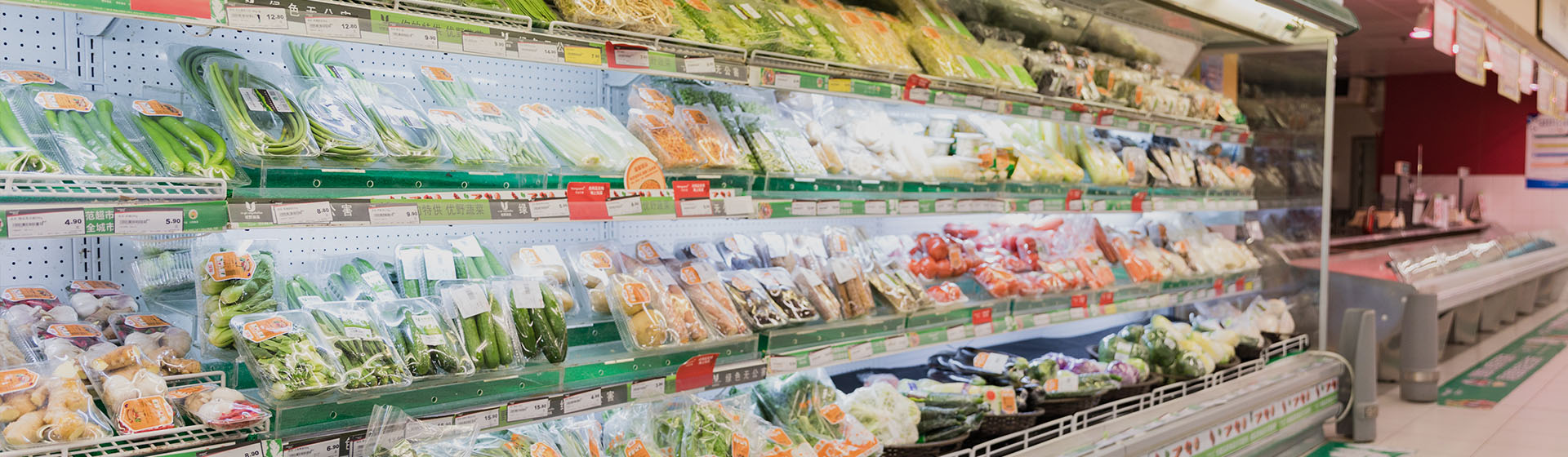
The success of any deli or food store largely depends on the freshness and presentation of its products. Deli cabinets are essential equipment that not only preserve food but also showcase products in an appealing manner. From cheeses and cold cuts to salads and desserts, the right display can make a significant difference in attracting customers and maintaining product quality. For both small local delis and large supermarket chains, investing in cost-effective deli cabinets is a strategic decision that can improve operational efficiency, reduce waste, and ultimately impact the bottom line.
Understanding Deli Cabinets
Deli cabinets, also known as refrigerated display cases or cold food display units, are designed to maintain perishable items at optimal temperatures. They combine refrigeration with visual presentation, allowing customers to easily view and select products while keeping them safe and fresh.These cabinets are available in various designs and sizes to suit different store layouts and business models. Selecting the right type of cabinet is crucial for operational efficiency and customer satisfaction.
Types of Deli Cabinets
● Serve-over counter cabinets have a flat glass display where customers can see and choose items. They are commonly used in delis, butcher shops, and bakeries to provide direct service.
● Upright display cabinets are tall and narrow, ideal for self-service setups. They are often used to display packaged products such as sandwiches, drinks, and desserts.
● Under-counter cabinets are compact units that fit neatly under counters or workspaces, providing easy access to chilled items without occupying much floor space.
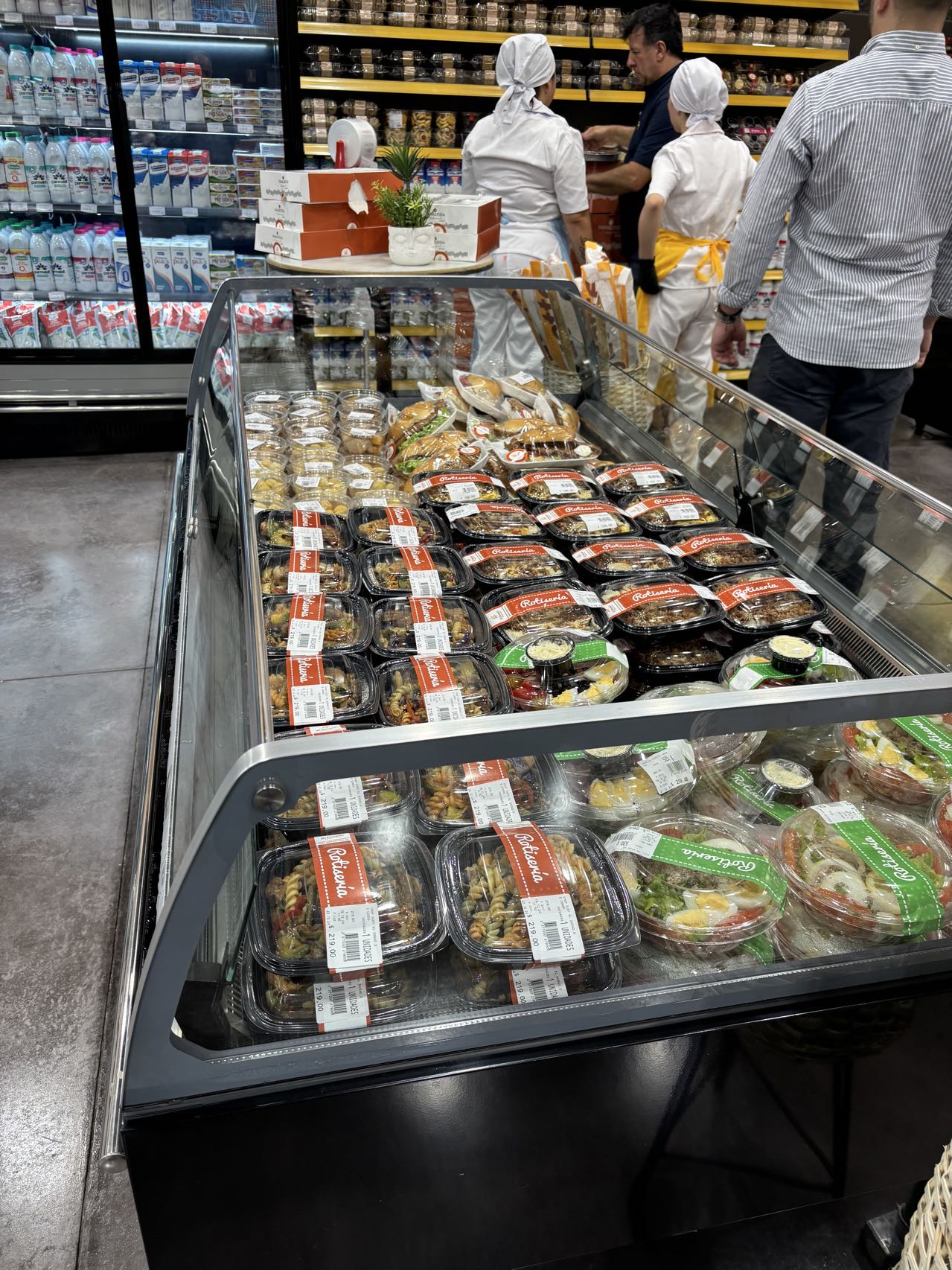
● Island cabinets, or free-standing units, can be placed in the center of the store, allowing access from multiple sides and enhancing product visibility. Understanding the differences among these types helps store owners select the most effective option for their business.
Cost-Effective Solutions for Small Stores
● Small delis and specialty food shops often face budget constraints, making it important to choose affordable yet reliable deli cabinets. Compact units with efficient refrigeration and moderate storage capacity are ideal for small stores.
● Features to consider include energy-saving components, easy maintenance, and flexible shelving arrangements. Serve-over counter cabinets or under-counter units can maximize display space while keeping costs low.
● Choosing cabinets with LED lighting and eco-friendly refrigerants can reduce long-term operating expenses. Store layout is also important. Proper placement ensures smooth customer flow, easy access for staff, and optimal product presentation.
● Small store owners should assess their daily product volume to choose cabinets that meet their requirements without wasting energy or space.
Cost-Effective Solutions for Large Stores
● Large supermarkets and grocery chains require high-capacity, durable, and efficient deli cabinets. Investing in robust display units ensures consistent product quality and operational efficiency.
● Multi-deck open cabinets or dual-temperature units allow large stores to display a variety of products in the same space. Features such as adjustable shelving, digital temperature controls, and durable construction materials become particularly important in high-traffic areas.
● Customization is important for large stores. Cabinets can be tailored to fit store layouts, product types, and seasonal demands. Energy efficiency is also a priority, as small savings on electricity add up across multiple units.
● Investing in high-quality cabinets reduces maintenance costs and minimizes downtime, which is critical for stores with high product turnover.
Maintenance and Optimization
● Regular maintenance is essential for prolonging the lifespan of deli cabinets. Cleaning, defrosting, and monitoring temperature settings prevent product spoilage and maintain energy efficiency.
● Scheduled professional inspections can identify potential issues before they become costly problems.
● Organizing products properly within cabinets enhances visibility and accessibility. Rotating stock, arranging items by type, and adjusting shelves for different product sizes contribute to an attractive and efficient display.
● Smart practices like keeping cabinet doors closed when not in use, reducing unnecessary lighting, and monitoring energy consumption help optimize efficiency and reduce operational costs.
Conclusion
Cost-effective deli cabinets provide practical and affordable solutions for both small and large stores. They maintain food freshness, enhance product display, and improve operational efficiency.By evaluating cabinet types, capacity, energy efficiency, and budget considerations, store owners can make informed decisions to meet their needs. Investing in durable, energy-efficient cabinets ensures long-term savings, reduced maintenance costs, and a better customer experience.
Choosing the right cabinets is a strategic investment that improves store aesthetics, attracts more customers, and contributes to business growth and success.
FAQ:
1、What factors should small store owners consider when selecting deli cabinets?
Small stores should consider cabinet size, storage capacity, energy efficiency, and budget. Store layout and daily product volume are key in determining the appropriate cabinet.
2、Are there energy-efficient options available for budget-conscious stores?
Yes, many modern cabinets feature LED lighting, eco-friendly refrigerants, and precise temperature control systems to reduce energy consumption while maintaining optimal product quality.
3、How can large stores ensure consistent product quality in deli cabinets?
Large stores should select durable cabinets with multi-deck designs, dual temperature zones, and adjustable shelving. These features accommodate different products while maintaining freshness and display efficiency.
4、What maintenance practices can extend the lifespan of deli cabinets?
Regular cleaning, defrosting, monitoring of temperature settings, and periodic professional inspections help ensure cabinets operate efficiently and remain reliable over time.
Post time: Dec-23-2025


