
Selecting commercial refrigeration equipment involves more than choosing a cabinet with enough capacity. The equipment must suit the products being stored or displayed, the available installation space, daily operating routines, and required cooling conditions. A configuration that looks suitable on paper can cause problems if its dimensions, internal layout, or refrigeration system do not match the actual application.
For restaurants, supermarkets, convenience stores, and other food-service environments, these decisions affect product access, storage efficiency, maintenance, and operating costs. Before finalizing a Commercial Refrigeration Equipment configuration, evaluate how each unit will work within the entire operation rather than comparing specifications in isolation.
Define the Application Before Selecting a Cabinet
Start by identifying what the equipment needs to do. Different applications require different cabinet structures, even when they handle similar products.
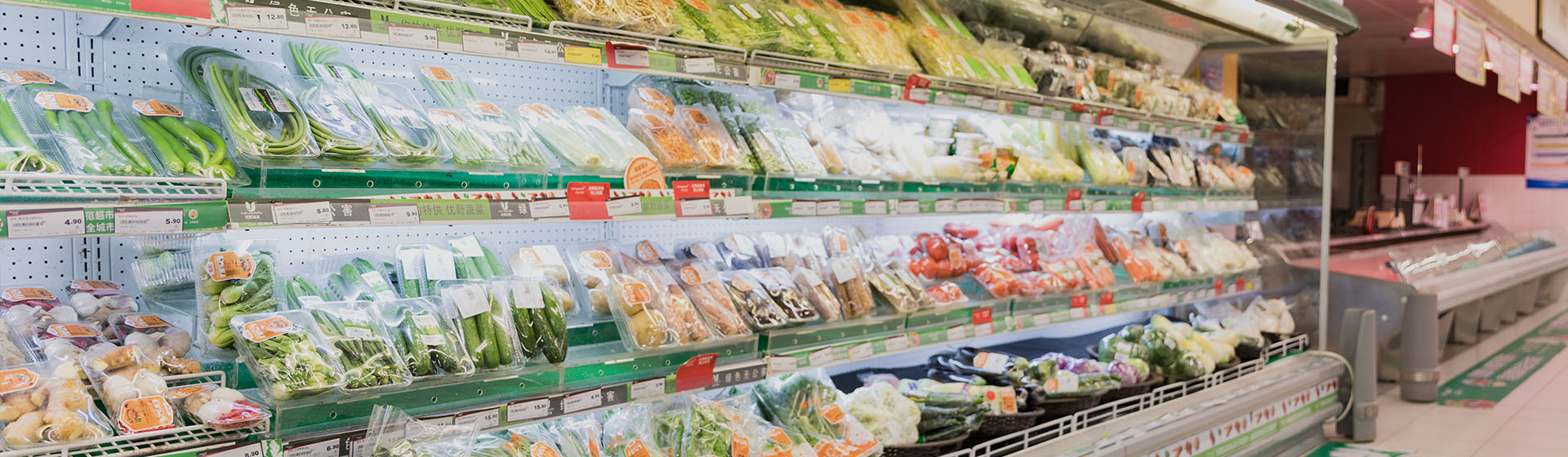
A supermarket may use open display cabinets to make chilled products accessible to customers. A restaurant may prioritize enclosed refrigeration for ingredients used during preparation. A convenience store may need upright display refrigerators and freezers for beverages, frozen foods, and packaged products.
The distinction between display and storage is important. Display equipment must balance product visibility, customer access, and cooling performance. Storage equipment places greater emphasis on usable capacity, organized inventory, and staff access. Choosing a cabinet based only on advertised volume may therefore produce an unsuitable configuration.
Before comparing models, clarify the products to be handled, their required storage conditions, how frequently they will be accessed or replenished, and whether the equipment is intended for customer-facing display or back-of-house storage. These requirements establish the basis for the selection process.
Match Usable Capacity to Inventory Needs
Capacity is a common source of configuration mistakes. A cabinet may have sufficient nominal volume but still fail to accommodate the actual products, packaging, and containers used in daily operations.
The difference between total cabinet volume and practical usable space matters. Shelves, internal supports, package dimensions, and required airflow clearance all affect how much inventory can be stored effectively. Products should not be packed so tightly that they block airflow paths identified by the manufacturer.
Inventory also changes over time. Stores may experience higher volumes during weekends, holidays, or promotions, while restaurants may need extra refrigerated space before large events. Selecting equipment based only on average inventory can create capacity pressure during peak periods.
An oversized unit is not automatically a better solution. It may occupy valuable floor space and create unnecessary operating demands. Estimate normal and peak inventory separately, then determine the usable capacity required. For larger operations, several appropriately sized cabinets may provide better organization than one oversized unit.
Confirm Temperature and Cooling Requirements
Different food products require different storage conditions. Chilled beverages, fresh produce, dairy products, prepared foods, and frozen ingredients should not be assumed to have identical temperature requirements.
Establish the required operating temperature according to the products being handled and applicable food safety requirements. If several product categories are involved, determine whether they can be stored under compatible conditions or whether separate units are needed.
Cooling performance is also affected by usage. Frequent door opening, heavy loading, warm products entering the cabinet, and restricted airflow can influence temperature stability. In display equipment, cabinet structure and loading arrangements may also affect cooling consistency.
Before ordering, confirm the specified temperature range, suitable ambient conditions, cooling method, and installation requirements. These details help determine whether a model is appropriate for the intended environment.
Evaluate Dimensions and Installation Conditions Together
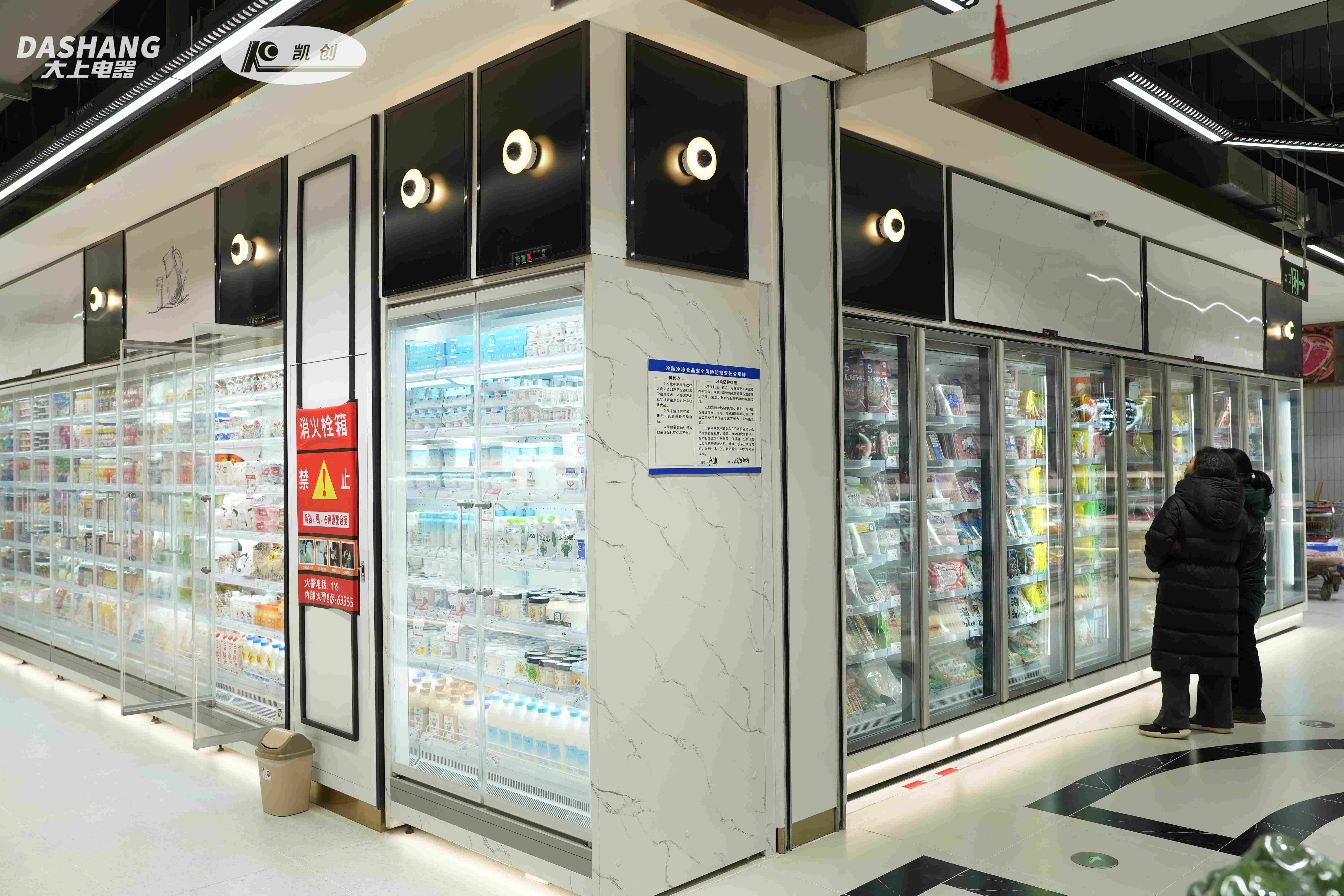
A cabinet may fit into a designated area but still be difficult to operate if there is insufficient room for door opening, customer movement, restocking, or maintenance. Measure the available width, depth, and height, then account for the additional clearance required by the equipment.
Upright refrigerators and freezers need room for door operation. Open display cabinets require suitable customer access and placement within the store layout. Ventilation is equally important: insufficient clearance around designated ventilation areas may affect heat dissipation and refrigeration operation. Follow the manufacturer’s installation instructions.
Other conditions should be checked before confirming the configuration:
- Electrical requirements: Verify the available power supply, voltage, frequency, and connection requirements.
- Delivery access: Check doorways, corridors, elevators, and turning areas along the delivery route.
- Floor conditions: Consider floor level and load-bearing capacity.
- Service access: Leave sufficient room for cleaning, inspection, and maintenance.
Checking these details early can prevent installation delays and avoid choosing equipment that is unsuitable for the intended location.
Choose Cabinet Structure for Daily Use
Cabinet structure determines how products are stored, displayed, and retrieved. The best configuration is the one that supports daily work, not necessarily the one with the largest storage area.
Upright cabinets provide organized vertical storage and can be useful where floor space is limited. Glass-door models keep products visible while enclosed, making them suitable for some retail applications. Open multideck cabinets support direct customer access and product presentation, while island freezers provide a horizontal format for frozen food display.
Other applications may require specialized equipment. Deli cabinets are designed around chilled food presentation, while stainless steel refrigeration cabinets can be useful in professional food preparation environments where practical cleaning and equipment handling matter.
Internal layout also deserves attention. Shelf spacing, door configuration, access openings, and loading methods should match the products being handled. Tall beverage containers, packaged ingredients, and small food containers may require different arrangements. Consider how staff or customers will interact with the cabinet before deciding on a structure.
Include Maintenance in the Selection Decision
The initial configuration should account for routine maintenance. Refrigeration equipment often operates continuously, so cleaning requirements, component access, and service arrangements influence long-term practicality.
Different cabinet types have different maintenance needs. Glass-door equipment requires attention to door seals and glass surfaces. Open display cabinets need regular cleaning of product areas and airflow-related components. Stainless steel units require appropriate surface care, while freezers need maintenance suited to their defrosting design.
Before confirming an order, clarify the recommended cleaning schedule, defrosting method, ventilation requirements, and access needed for routine inspection. It is also useful to understand which components require periodic servicing and how technical support is arranged. Equipment that is straightforward to maintain can help reduce avoidable interruptions.
Verify the Complete Specification Before Ordering
After establishing the application, capacity, temperature, dimensions, and cabinet structure, verify that every requirement appears in the final specification.
A quotation should be based on clear technical information rather than a product name alone. Two cabinets described as commercial refrigerators may differ in dimensions, door arrangement, cooling method, electrical requirements, and intended application. Without checking these details, meaningful comparison is difficult.
Before confirming an order, review the cabinet type and quantity, external dimensions, required temperature range, refrigeration configuration, door type, internal layout, electrical specifications, installation conditions, and requested options. If several equipment types are needed, confirm how each unit will fit into the overall layout, especially when display cabinets must work alongside separate refrigerators and freezers.
Providing complete requirements at the beginning allows the equipment provider to assess the application and discuss configuration details before the order is finalized.
Finding the Right Commercial Refrigeration Equipment Configuration
A suitable refrigeration solution depends on the relationship between product requirements, usable capacity, cooling conditions, cabinet structure, and installation space. Considering these factors together helps prevent mismatched specifications and makes it easier to identify equipment that supports daily operations.
Dusung offers commercial refrigeration equipment including glass-door upright refrigerators and freezers, island freezers, multideck display cabinets, deli cabinets, fresh-food cabinets, and stainless steel refrigeration equipment. Explore the commercial refrigeration product range and share your application, product categories, required dimensions, and operating conditions when discussing a configuration. These details help make product recommendations and quotation discussions more relevant to the intended installation.
Conclusion
Finalizing a commercial refrigeration configuration requires more than comparing cabinet prices or nominal capacity. Equipment must match the products being handled, cooling conditions, installation space, daily access patterns, and maintenance needs. Evaluating these factors before ordering helps reduce configuration mistakes and supports more efficient refrigeration operations.
FAQs
1. What information is needed when requesting a commercial refrigeration equipment quotation?
Provide the intended application, product categories, required temperature range, available installation dimensions, preferred cabinet type, electrical conditions, and specific configuration requirements.
2. How do I determine the right capacity for commercial refrigeration equipment?
Estimate normal and peak inventory, then compare the required storage volume with usable internal space. Product dimensions, packaging, shelving, and airflow clearance should all be considered.
3. Should display refrigeration and storage refrigeration be configured separately?
They may require different cabinet structures. Display equipment prioritizes visibility and customer access, while storage equipment emphasizes organized capacity and staff access. The final arrangement depends on the product range and workflow.
4. Why should installation conditions be confirmed before ordering?
Installation conditions affect whether equipment can be delivered, positioned, ventilated, connected, and maintained properly. Confirming them early helps avoid delays and unsuitable configurations.
Post time: Nov-25-2026


