
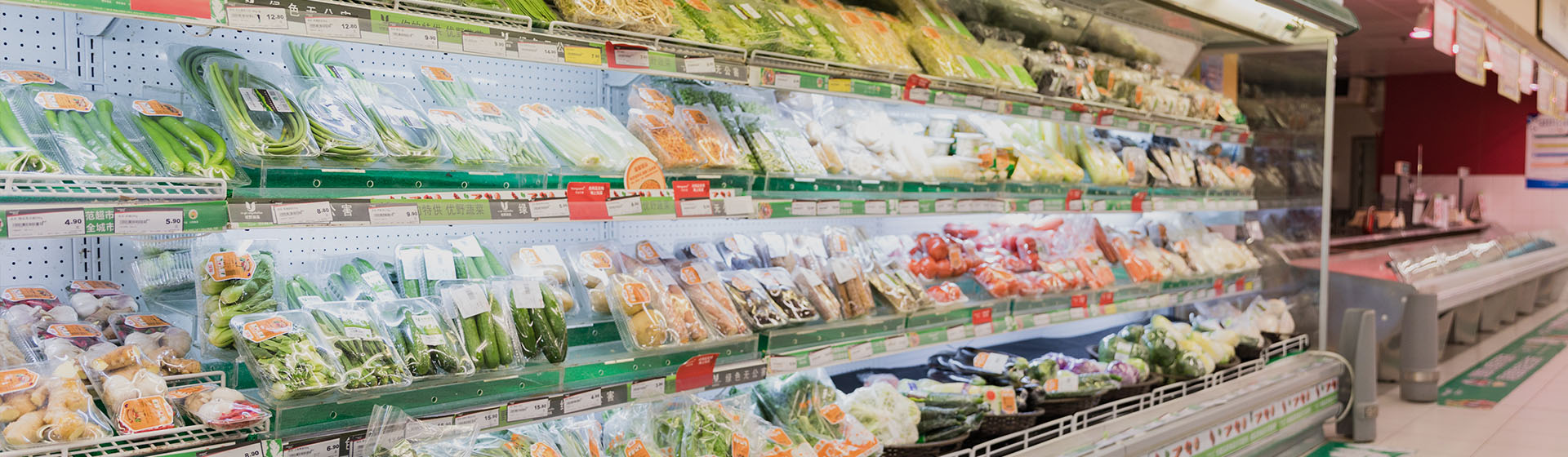
In the foodservice sector, retail supply chains, and large-scale food production environments, maintaining product freshness and ensuring safe storage are fundamental requirements. A commercial fridge plays a critical role in fulfilling these needs. While household refrigerators are designed for occasional use and lower volume, commercial refrigerators are engineered for continuous operation, heavy stock rotation, and strict temperature control. They provide consistency and reliability that businesses depend on to preserve inventory, comply with food safety regulations, and maintain overall operational efficiency.
As the global hospitality and food supply chain becomes more developed, the commercial refrigerator market continues to expand. The choice of refrigeration equipment now directly influences business workflows, cost control, hygiene conditions, and customer satisfaction. Whether in restaurants, supermarkets, hotels, commercial kitchens, industrial catering, or food distribution centers, investing in the right refrigeration system has become a key strategic decision rather than just a purchase of equipment.
What Is a Commercial Fridge?
A commercial fridge is a refrigeration unit specifically designed for business operations that require precise temperature control, rapid cooling, and large capacity. These refrigerators are built with high-performance compressors, industrial-grade insulation, and structural components that allow them to sustain temperature levels despite frequent door opening and high product turnover.
Commercial fridges are used in various environments, including:
• Restaurants, cafés, and hotels
• Food courts, catering services, and bakeries
• Supermarkets and convenience stores
• Beverage display and cold drink stations
• Hospitals and school canteens
• Cold-storage and food processing facilities
Compared with household fridges, commercial units often include:
• Stronger cooling systems
• Larger internal space
• Temperature precision and stability
• Durable shelving for heavy loads
• Energy-efficient operation
Their core purpose is to preserve food safely, prevent contamination, and extend shelf life.
Key Advantages of Commercial Fridges
Commercial fridges provide several benefits that are critical for professional foodservice and retail operations.
1. Consistent temperature and food safety
A commercial fridge ensures reliable cold storage by maintaining accurate temperatures even in demanding environments. Key features include:
• Fast cooling time
• Minimal temperature fluctuation
• Compliance with hygiene and health standards
• Prevention of spoilage and bacterial growth
Maintaining proper temperatures is essential for compliance with food safety regulations in many countries.
2. Heavy-duty construction and durability
Commercial fridges are manufactured with high-strength materials and components designed for long-term industrial use:
• Industrial-grade compressors
• Reinforced steel frames and shelves
• High-impact resistant doors
• Stainless steel interior for hygiene
They are capable of functioning 24/7 without performance degradation.
3. Large storage capacity and flexible configuration
Commercial fridges come in different sizes and formats to suit different operational needs:
• Upright double-door fridges
• Countertop and under-counter fridges
• Walk-in cold rooms
• Preparation station refrigerators
• Glass-door display fridges
Businesses can choose based on available space and workflow design.
4. Lower operational cost and energy efficiency
Modern commercial fridges integrate advanced cooling systems that:
• Reduce energy consumption
• Minimize temperature loss during operation
• Extend the lifespan of stored products
Energy-efficient models significantly reduce long-term operating costs.
Types of Commercial Fridges
The commercial fridge industry offers multiple configurations depending on application:
• Reach-in refrigerators for kitchen use
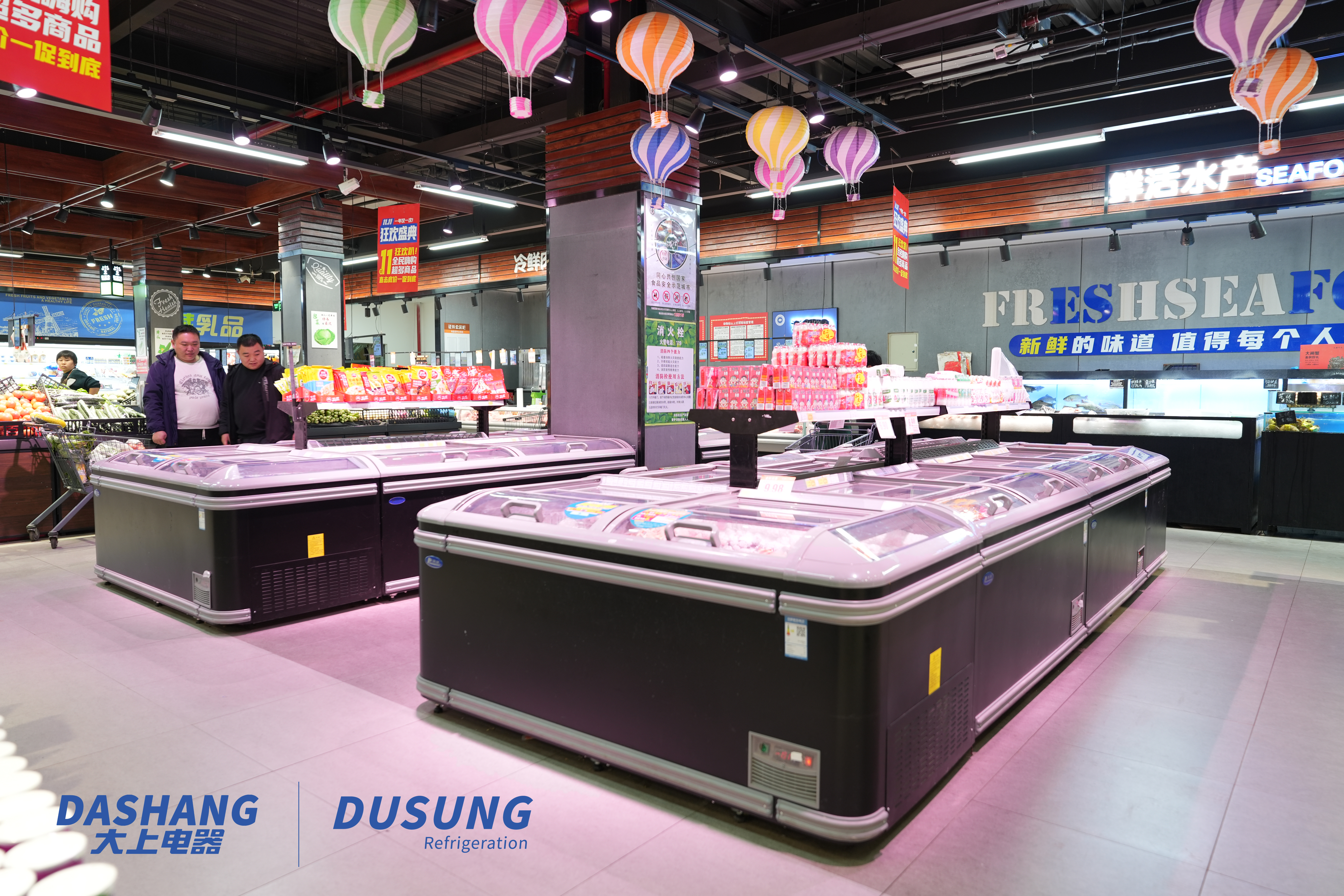
• Display fridges for beverages and food products
• Under-counter models for small kitchens
• Walk-in refrigerators for bulk inventory
• Merchandising fridges for retail environments
• Bar refrigerators and wine coolers
• Freezer-fridge combination units
Each type is designed to optimize workflow and product access.
Key Applications in Industry
Commercial fridges support a broad range of business operations:
• Hospitality and catering services
• Convenience retail and supermarkets
• Fresh food and seafood storage
• Dairy and bakery product preservation
• Beverage and cold drink solutions
• Perishable ingredient management
• Industrial food production and pre-processing
• Healthcare and hospital food supply
In food delivery and cloud kitchen operations, commercial refrigeration is a core requirement for maintaining food quality across the supply chain.
Technical Features of Modern Commercial Fridges
Advanced models include several engineering features:
• Forced-air cooling and rapid circulation
• Digital temperature monitoring
• LED lighting and energy-saving insulation
• Automatic defrost and humidity control
• High-efficiency compressors
• Stainless steel construction for better hygiene
These features enable reliable long-term performance.
Importance for B2B Supply Chains
For B2B buyers, the commercial fridge is more than just equipment—it is a strategic investment. Choosing the right unit affects:
• Storage efficiency and inventory turnover
• Food waste reduction
• Maintenance costs
• Business continuity and uptime
• Compliance with regulatory standards
Industrial buyers often evaluate commercial fridges based on their ability to improve operational efficiency.
Commercial Fridges vs Household Refrigerators
Advantages of commercial fridges:
• Higher cooling power
• Larger and customizable storage space
• Better durability and reliability
• Designed for frequent opening and loading
• Meets professional hygiene standards
Limitations:
• Higher upfront cost
• Slightly higher electricity usage
However, commercial fridges provide long-term value in professional environments.
Factors to Consider When Choosing a Commercial Fridge
When selecting refrigeration equipment, B2B purchasers typically assess:
• Temperature range and cooling speed
• Internal layout and capacity
• Energy efficiency and power consumption
• Type of door and access configuration
• Noise levels and insulation quality
• Cooling technology (air-cooled or direct cooling)
• Maintenance cost and availability of spare parts
• Cleaning and hygiene features
Choosing the right specifications ensures performance, durability and compliance.
Market Trends and Future Outlook
The demand for commercial fridges is driven by several global trends:
• Growth in food delivery and cloud kitchens
• Rising demand in café and restaurant sectors
• Expansion of cold chain logistics
• Increasing focus on energy efficiency
• Use of eco-friendly refrigerants
• Integration with smart monitoring systems
Smart commercial fridges equipped with IoT sensors can automatically record temperatures, optimize power usage, and alert operators to system issues.
Sustainability and Environmental Impact
As industries shift toward sustainability, commercial fridges are being designed to reduce environmental footprint:
• Lower power usage
• Recyclable materials
• Natural refrigerants like R600a
• Improved insulation and compressor efficiency
These innovations support green energy goals and regulatory compliance.
Conclusion
A commercial fridge is a vital operational investment for foodservice businesses, retailers, and industrial kitchens. With reliable temperature control, heavy-duty construction, and advanced cooling technology, commercial refrigeration ensures product quality, food safety, and uninterrupted operations. For B2B buyers, selecting the right commercial fridge can reduce costs, improve workflow efficiency, and support long-term operational success. As the global food and hospitality industry continues to expand and modernize, commercial fridges will remain a core component of professional cold storage.
FAQ
1. Which industries require a commercial fridge?
Restaurants, supermarkets, hospitality, food processing and industrial catering.
2. What is the difference between a commercial fridge and a household fridge?
Commercial fridges have stronger cooling capacity, larger space, and better durability.
3. Are commercial fridges energy-efficient?
Yes. Modern models use energy-saving compressors and optimized insulation to reduce power usage.
4. What factors should businesses consider before purchasing a commercial fridge?
Cooling capacity, energy efficiency, space requirements, operating environment, and storage needs.
Post time: Dec-01-2025


