
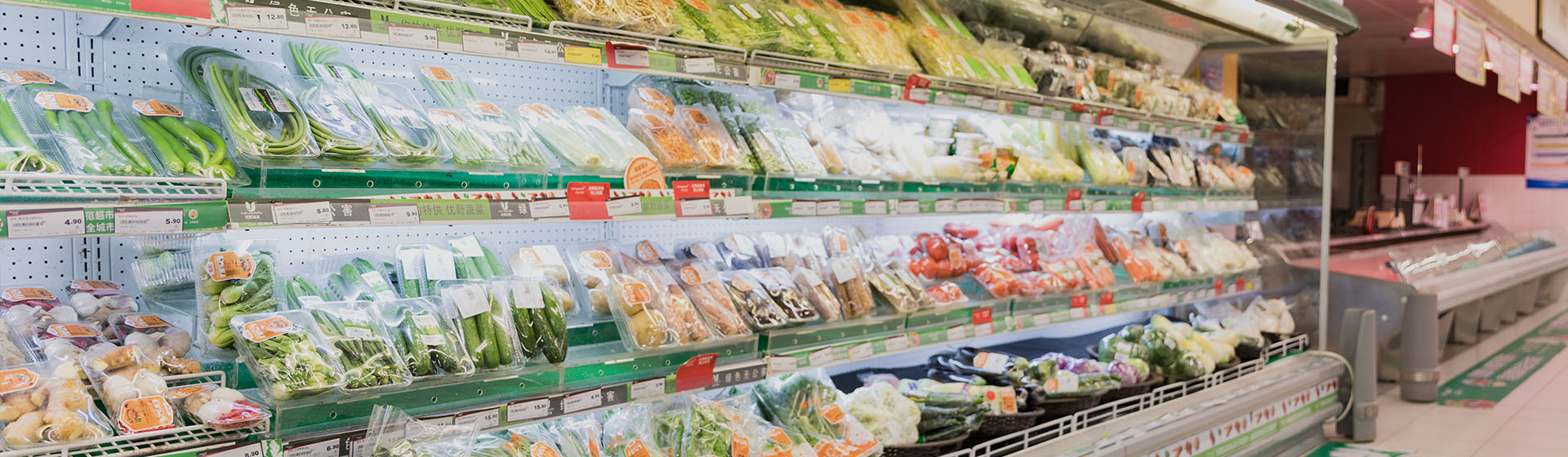
Commercial freezers are used to store a wide range of frozen products, including meat, seafood, vegetables, dairy products, and prepared foods. Although freezing helps preserve food quality and slows microbial growth, it does not automatically eliminate food safety risks. When different food categories are stored together without proper separation, damaged packaging, leaking liquids, and improper handling can create opportunities for cross-contamination.
For supermarkets, restaurants, food retailers, and commercial kitchens, a Commercial Freezer is more than a storage appliance. Its internal organization and daily management practices play an important role in maintaining food hygiene. Understanding how contamination can occur and how to prevent it helps businesses protect product quality while making frozen storage more reliable.
How Cross-Contamination Occurs in Commercial Freezers
Cross-contamination happens when harmful microorganisms, allergens, or unwanted substances transfer from one food product or surface to another. In frozen storage environments, this risk is often associated with poor product separation, damaged packaging, and improper handling.
For example, raw meat or seafood packages may release liquid during storage or thawing. If these products are placed above ready-to-eat foods or items with damaged packaging, leaked substances may contaminate other products. Similarly, placing uncovered food directly beside products containing allergens can create additional food safety concerns. Freezing does not make these risks disappear. Many microorganisms can survive at freezing temperatures and may become active again when food is thawed. This means businesses should maintain proper separation and handling procedures even when all products are stored in frozen conditions.
A properly managed Commercial Freezer should therefore support organized storage rather than simply provide enough space for different products.
Separating Food Categories Before Storage
The first step in preventing cross-contamination is establishing clear separation between food categories. Different products have different handling requirements, and placing them randomly inside the same cabinet can increase the risk of accidental contact.
Raw meat, poultry, and seafood should be kept separate from cooked or ready-to-eat products. Foods with strong odors may also need dedicated containers or designated areas to prevent unwanted odor transfer. Products containing common allergens should be clearly identified and protected from contact with other foods. Businesses can establish separate storage zones according to product type and food safety requirements. If a single cabinet is used for multiple categories, dedicated baskets, sealed containers, or clearly marked compartments can help maintain separation.
Why Packaging Condition Matters During Frozen Storage
Torn bags, loose seals, cracked containers, and leaking packages should be identified before products are placed into long-term storage. If packaging becomes damaged during handling, the affected product should be assessed according to the business’s food safety procedures rather than simply returned to the freezer.
Liquid leakage deserves particular attention. Meat and seafood packages may release liquid when their packaging is damaged or when products begin to thaw. If the liquid reaches other packages or storage surfaces, cleaning and additional inspection may be necessary.
Suitable packaging practices include:
- Use sealed containers: Store products in food-grade containers or properly sealed bags to reduce direct contact with other items.
- Check package integrity: Inspect packaging for tears, loose closures, and visible leakage before storage.
- Identify products clearly: Use labels to indicate product names, storage dates, and relevant handling information.
- Replace damaged packaging: Transfer products into suitable replacement containers when permitted by applicable food safety procedures.

Organizing Storage to Reduce Contact Between Products
The physical arrangement of food inside a Commercial Freezer can influence how easily contamination risks are controlled. When products are crowded together, packages may become damaged during loading and removal. Employees may also have difficulty identifying individual items or noticing leakage. A more organized arrangement reduces unnecessary handling. Similar products should be grouped together, while raw and ready-to-eat foods should remain physically separated. Containers should be positioned so that they do not become unstable or fall when employees access other items.
Storage arrangements should also account for product weight and packaging strength. Heavy frozen products should not be placed on top of lightweight packages that may split or become crushed. Where appropriate, separate baskets or rigid containers can provide additional protection. Another important consideration is accessibility. Frequently used products should be positioned where employees can retrieve them without moving several other food categories. This reduces unnecessary contact between packages and helps maintain the original storage arrangement.
Managing Allergens and Strong-Smelling Products
Cross-contamination is not limited to microorganisms. Allergen transfer is another important concern in commercial food storage. Products containing milk, eggs, peanuts, tree nuts, soy, wheat, fish, or shellfish may create risks when their contents come into contact with other foods. Even small amounts of allergenic substances can be significant for sensitive consumers. Businesses should therefore keep allergen-containing products properly sealed and separated according to their food safety procedures.
Strong-smelling products also require attention. Certain seafood items, for example, may transfer noticeable odors to other foods if packaging is inadequate. Although odor transfer does not necessarily indicate microbial contamination, it can affect product quality and customer acceptance. Using sealed containers, clear labels, and designated storage areas helps reduce these problems. Employees should also avoid reusing containers without appropriate cleaning, especially when switching between different food categories.
Cleaning and Inspection of Commercial Freezers
Regular cleaning is essential for controlling contamination risks. Food particles, packaging fragments, leaked liquids, and ice buildup can accumulate inside a freezer over time. If these materials are not removed, they may create unsanitary conditions and make it harder to identify damaged products.
A cleaning schedule should cover internal surfaces, baskets, removable compartments, handles, and other frequently touched areas. The cleaning method and frequency should follow the equipment manufacturer’s instructions and applicable food safety requirements. Spills should be addressed promptly using appropriate cleaning and sanitizing procedures. Employees should also inspect nearby packages to determine whether other products have been affected. If contamination is suspected, the affected food should be isolated and handled according to established safety procedures.
Routine inspection is equally important. Checking the freezer regularly helps identify damaged packaging, misplaced products, unusual odors, and signs of equipment problems. These checks should be part of normal operating procedures rather than occasional activities.
Establishing Consistent Handling Procedures
Even a well-designed Commercial Freezer cannot prevent cross-contamination if employees do not follow consistent handling practices. Food safety depends on the combination of suitable equipment, proper storage arrangements, and staff awareness.
Employees should understand the difference between raw and ready-to-eat products, know where each category belongs, and avoid placing uncovered food directly into shared storage areas. Hand hygiene and clean handling tools are also important, particularly when employees move between different food categories. Businesses should establish clear procedures for receiving, labeling, storing, retrieving, and inspecting frozen products. New employees should receive practical training, while existing staff should follow the same standards during busy periods.
For businesses handling a large range of frozen foods, written storage rules and clearly marked compartments can reduce mistakes. Consistency is particularly important during restocking, when employees may be working quickly and handling several product categories at once.
Choosing Commercial Freezer Equipment for Hygienic Storage
Equipment design can support better food organization and cleaning practices. When evaluating a Commercial Freezer, businesses should consider whether its internal layout allows products to be separated, whether baskets and compartments are easy to access, and whether internal surfaces can be cleaned conveniently.
The equipment should also match the type and volume of food being stored. A configuration that makes it difficult to separate product categories may create additional management challenges, even if its total capacity is sufficient.
Dusung Refrigeration provides commercial refrigeration equipment for different retail and food service applications. When considering suitable equipment, businesses can evaluate internal storage arrangements, cabinet configurations, and operational requirements together to support more organized frozen food management.
Conclusion
Preventing cross-contamination in a Commercial Freezer requires more than maintaining low temperatures. Proper food separation, intact packaging, organized storage, allergen control, regular cleaning, and consistent employee practices all contribute to safer frozen food management.
By combining suitable equipment with clear operating procedures, businesses can reduce unnecessary product contact, protect food quality, and maintain a more reliable storage environment.
FAQs
1. Can different types of frozen food be stored in the same commercial freezer?
Yes, provided they are properly packaged, separated, and stored according to their individual food safety requirements. Raw and ready-to-eat products should not be allowed to contact each other.
2. Does freezing eliminate bacteria that cause food contamination?
No. Freezing can slow or stop the growth of many microorganisms, but it does not reliably destroy all bacteria. Proper hygiene and separation remain necessary.
3. What should employees do if a frozen food package leaks?
They should isolate the affected product, inspect nearby items, and clean and sanitize contaminated surfaces using appropriate procedures. Potentially affected food should be assessed under established food safety rules.
4. How often should a commercial freezer be cleaned?
Cleaning frequency depends on the products stored, usage levels, and applicable food safety requirements. Spills should be handled promptly, while routine cleaning and inspection should follow a documented schedule.
Post time: Nov-09-2026


