
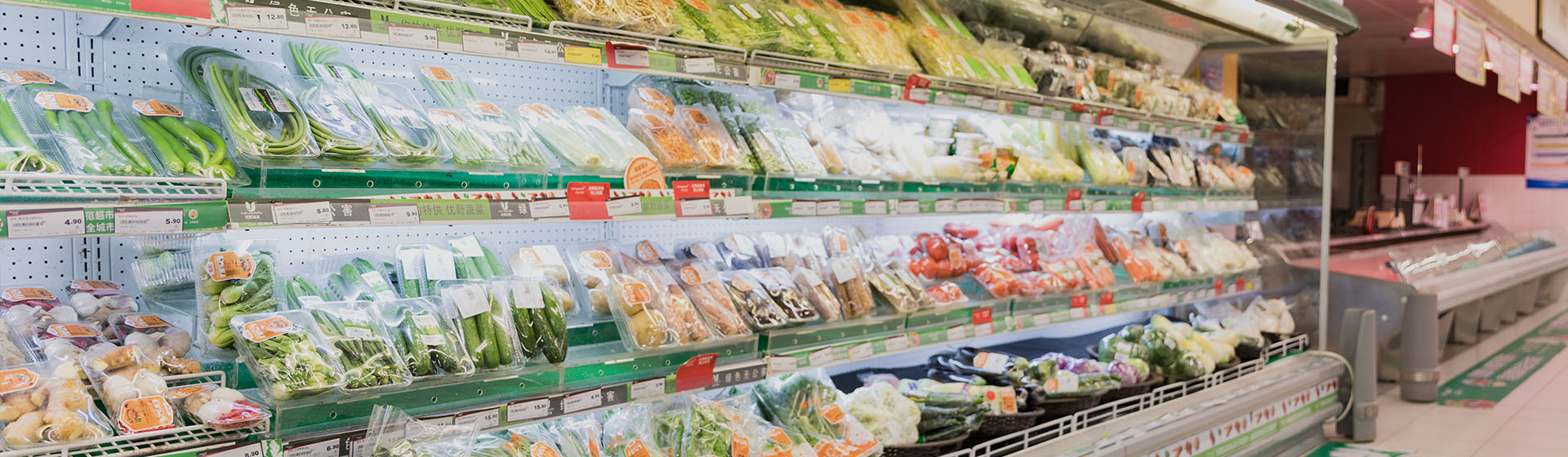
Commercial refrigeration has traditionally been viewed as a basic requirement for keeping food chilled or frozen. However, the role of refrigeration equipment in modern retail is becoming more specific. Supermarkets, convenience stores, and specialty food retailers handle a wider range of products, and different food categories do not necessarily benefit from the same cabinet structure or display method.
This change is encouraging the development of specialized commercial display refrigeration equipment. Instead of relying on a small number of general-purpose cabinets, retailers increasingly need equipment designed around particular products, access methods, and service requirements. This shift is influencing how refrigerated display cabinets are designed, configured, and selected.
Why General-Purpose Refrigeration Is No Longer Enough
A standard refrigerated cabinet can serve many basic storage purposes, but commercial food retail involves more than keeping products cold. The equipment must also support how customers access products, how staff handle them, and how different food categories are presented.
For example, packaged beverages are commonly displayed in upright cabinets where customers can see products through glass doors or access them through an open front. Frozen packaged foods may be better suited to island freezers or upright freezers. Fresh meat, prepared dishes, and deli products often require a counter-style structure that allows staff to serve customers from behind the display.
These applications create different requirements for cabinet geometry, access direction, shelving, glass structure, and internal arrangement.
The Main Product Categories Are Developing Different Roles
Glass-door upright refrigerators and freezers are widely used for products that benefit from enclosed display and clear product visibility. Their vertical structure supports multiple shelving levels, making them suitable for packaged drinks, dairy products, chilled foods, and frozen items. Door configuration, shelf adjustment, lighting, and cabinet dimensions influence how effectively each model accommodates different product ranges.
Air-curtain upright refrigerators use an open-front display format. Rather than requiring customers to open a door, they provide direct access to products arranged across multiple levels. This structure is commonly associated with chilled packaged foods and beverages that need convenient self-service access. Its design places particular importance on the air curtain and the arrangement of the display area.
Island freezers serve a different purpose. Their horizontal structure allows frozen products to be viewed and accessed from above. This makes them suitable for packaged frozen foods, ice cream, and other frozen retail products. Basket arrangements, sliding glass covers, and cabinet dimensions can influence how different product groups are accommodated.
Deli cabinets and fresh-food cabinets are also becoming more clearly differentiated. Deli cabinets are commonly designed for prepared foods, sliced meats, cheeses, salads, and other products that may require staff-assisted service. Fresh-food cabinets can support the presentation of products such as meat, seafood, vegetables, and other chilled foods, depending on their configuration.
These categories show why one general-purpose refrigerator cannot automatically replace every type of commercial display cabinet.
Cabinet Structure Is Becoming More Application-Specific
As refrigeration equipment becomes more specialized, the physical structure of each cabinet becomes increasingly important. The difference between product categories is not limited to whether a cabinet is upright, horizontal, or open-front. Its internal and external design must also support the intended use.
For example, a cabinet designed for packaged drinks may prioritize adjustable shelves, clear product visibility, and convenient front access. A deli counter needs a different arrangement, with a customer-facing display area and working access for staff. A fresh-food cabinet may require a display surface and product supports suited to the items being presented.
- Access configuration: Glass doors, open fronts, sliding lids, and service-side access support different customer and staff interactions.
- Display geometry: Vertical shelves, horizontal decks, baskets, and counter-style arrangements determine how products are positioned and viewed.
- Glass construction: Curved glass, straight glass, transparent side panels, and lift-up front glass can serve different display and service requirements.
- Internal configuration: Adjustable shelves, trays, dividers, and storage compartments allow equipment to accommodate different product formats.
- Cabinet dimensions: Height, depth, length, and display area influence where a cabinet can be installed and which product categories it can support.
These details are becoming important distinctions between specialized refrigeration products. A cabinet should not be judged only by its cooling capacity or exterior appearance. Its structure must correspond to the actual work it is expected to perform.
Retailers Are Also Looking for More Flexible Product Configurations
Specialization does not mean every retailer needs a completely different refrigeration system. In many projects, flexibility is equally important.
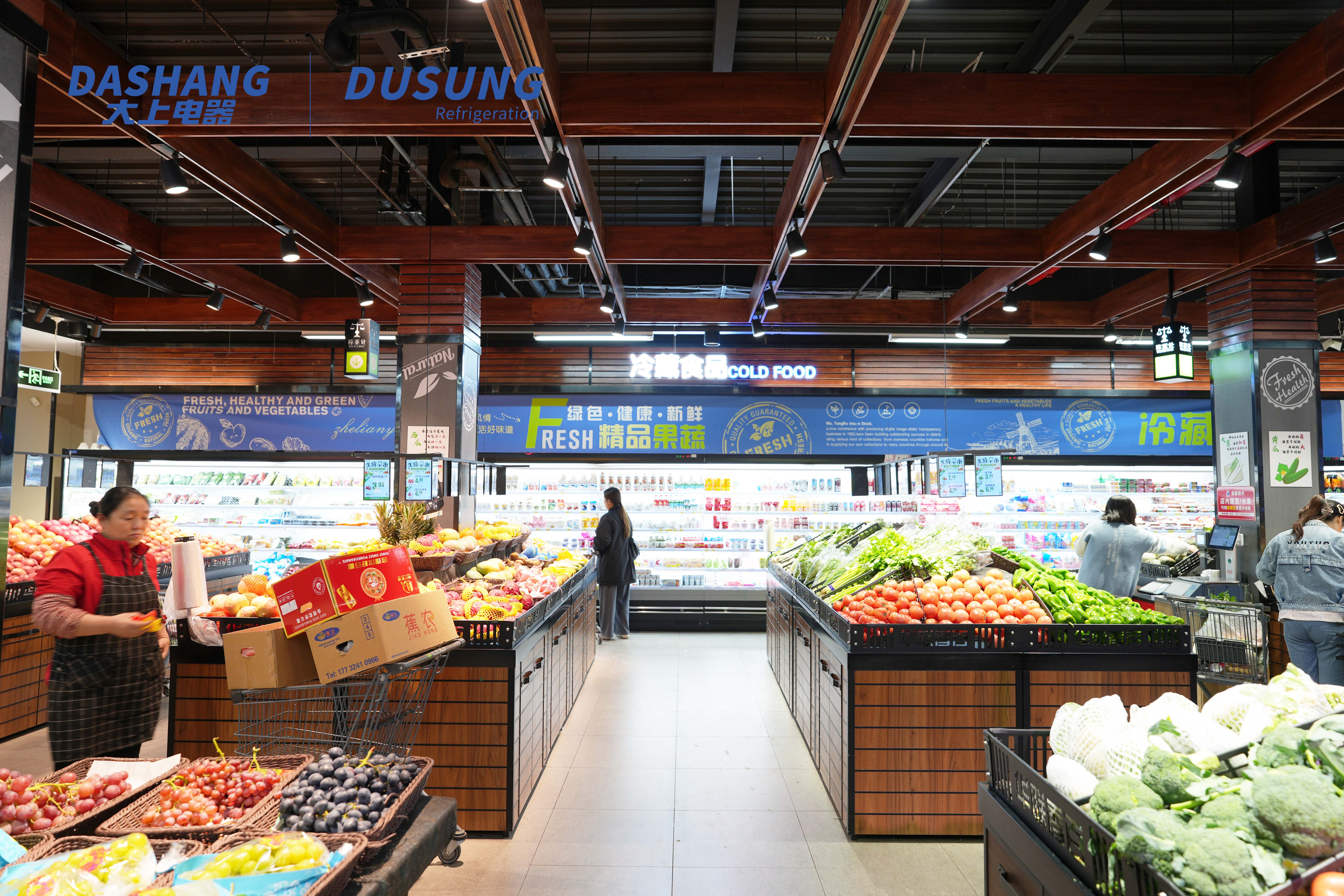
A supermarket may need several cabinet categories within one retail space. A convenience store may combine upright glass-door refrigerators with compact freezers. A fresh-food retailer may require service counters alongside dedicated chilled display equipment.
This creates demand for product configurations that can be adapted to different project requirements.
For instance, adjustable shelving can help an upright refrigerator accommodate different package heights. Different cabinet lengths can support varying display requirements. Plug-in and remote refrigeration configurations provide alternative installation arrangements, depending on the project and equipment design.
Promotional refrigeration is another example. A semi-vertical promotional refrigerator can provide a different display format from a conventional upright cabinet, making it useful for selected products or temporary retail campaigns.
The wider trend is therefore a combination of specialization and configuration flexibility. Retailers need equipment designed for particular applications, but they also need options that can be adapted to their store conditions and product ranges.
What This Development Means for Commercial Refrigeration Selection
The move toward specialized display equipment changes the way refrigeration products should be evaluated. Rather than comparing cabinets only by external dimensions, cooling capacity, or price, retailers need to consider the relationship between product type and cabinet function.
The following comparison illustrates how different product categories serve distinct retail functions.
| Equipment category | Typical application | Main structural consideration |
|---|---|---|
| Glass-door upright refrigerator | Packaged drinks, dairy, chilled foods | Door configuration and adjustable shelves |
| Air-curtain upright refrigerator | Open-access chilled products | Air curtain and multi-level display |
| Island freezer | Packaged frozen foods and ice cream | Horizontal display and basket arrangement |
| Deli cabinet | Prepared foods, sliced meats, cheese | Service access and counter display |
| Fresh-food cabinet | Meat, seafood, vegetables, and chilled foods | Display deck and product-specific arrangement |
| Semi-vertical promotional refrigerator | Selected promotional products | Accessible display and compact vertical structure |
This comparison also shows why product specialization matters commercially. Choosing a cabinet based on appearance alone may lead to a mismatch between the equipment and its intended application. A more suitable configuration can support the actual handling, presentation, and access requirements of the products being sold.
How Manufacturers Can Respond to the Shift Toward Specialized Refrigeration
For commercial refrigeration manufacturers, the development of specialized cabinets requires more than expanding a product catalogue. Product design needs to reflect the different operating conditions and functional requirements of each application.
This includes developing appropriate cabinet structures, offering practical configuration options, and making product specifications clear enough for project evaluation. Details such as dimensions, temperature range, access design, shelf arrangement, glass structure, and refrigeration configuration should be considered together.
Manufacturers also need to distinguish between products that appear similar but serve different purposes. An open-front multideck refrigerator and a glass-door upright refrigerator may both display chilled products, but their access methods and cabinet structures are not interchangeable. Similarly, a fresh-food cabinet and a deli counter may both be used for chilled food presentation, yet they support different service arrangements.
Dusung‘s commercial refrigeration portfolio reflects several of these specialized equipment categories, including glass-door upright refrigerators and freezers, air-curtain upright refrigerators, island freezers, deli cabinets, fresh-food cabinets, and semi-vertical promotional refrigerators. These product families provide different structural approaches for chilled and frozen retail applications. Reviewing the intended use alongside cabinet configuration is a practical starting point when evaluating equipment for a new project or store upgrade.
Conclusion
The development of commercial display refrigeration is moving toward more specialized product structures and application-based configurations. Glass-door upright cabinets, open-front refrigerators, island freezers, deli counters, and fresh-food cabinets each serve different retail functions. As food retail requirements become more varied, matching equipment design with the intended application is becoming increasingly important.
FAQ
1. What is specialized commercial display refrigeration?
It refers to refrigeration equipment designed for particular retail applications or food categories, rather than general-purpose cooling alone. Examples include deli cabinets, fresh-food cabinets, island freezers, and glass-door upright refrigerators.
2. What is the difference between a deli cabinet and a fresh-food cabinet?
A deli cabinet is commonly designed for prepared foods, sliced meats, cheeses, and staff-assisted service. A fresh-food cabinet can be configured for products such as meat, seafood, vegetables, and other chilled foods. Their display structures and intended uses may differ.
3. Why are different types of commercial display refrigerators needed?
Different food products and retail activities require different access methods, display structures, and storage conditions. Using equipment designed for a particular application can provide a better match between cabinet function and daily use.
4. Can different types of display refrigeration equipment be used in one supermarket?
Yes. Supermarkets commonly use a combination of upright refrigerators, open chillers, island freezers, deli cabinets, and fresh-food cabinets. Each type can serve a different product category or retail function.
Post time: Nov-18-2026


