
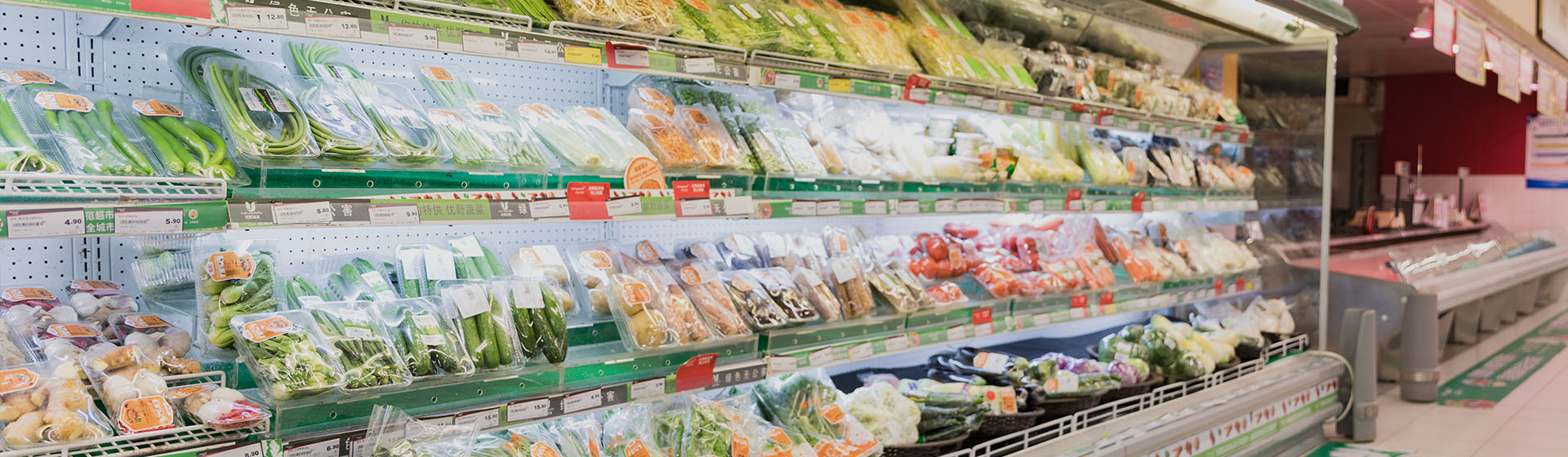
A commercial freezer is often viewed as a storage solution, but its role in retail and food service operations goes beyond keeping products frozen. How frozen inventory is organized, monitored, and replenished can directly affect operating costs, product availability, and staff efficiency. A commercial chest freezer provides storage capacity for different types of frozen products, making it useful in supermarkets, convenience stores, restaurants, and food distribution environments. However, having sufficient freezer space does not automatically guarantee effective inventory management. Poor storage practices can lead to hidden expenses that gradually reduce the value of the equipment.
Overstocking Creates More Than a Storage Problem
One common inventory mistake is keeping more frozen products than the business can reasonably sell within an appropriate period. Although additional stock may seem like protection against supply interruptions, excessive inventory can create several operational problems.
First, products may remain in storage longer than expected. Even when frozen food is stored under suitable conditions, packaging can deteriorate, product quality may change, and items can become less attractive to customers. Businesses may eventually need to discount or discard products that have remained in inventory for too long. Overstocking also makes it harder for employees to identify available products. When packages are stacked without a clear arrangement, older inventory may become hidden behind newly delivered goods. This increases the possibility of products being overlooked or used in the wrong order.
A commercial chest freezer should therefore be managed according to actual sales demand rather than maximum storage capacity. Reviewing sales records and adjusting purchasing quantities can help prevent unnecessary accumulation.
Poor Product Rotation Increases Inventory Losses
Product rotation is essential when managing frozen inventory. Without a consistent system, employees may repeatedly select newly delivered products while older stock remains at the bottom or rear of the freezer.
This problem is particularly common when a business stores multiple product categories in the same unit. Different package sizes and similar product appearances can make identification difficult, especially during busy periods. A practical rotation process should include clear receiving dates, visible product labels, and a consistent arrangement. Newly received products should be placed behind or beneath existing stock when the freezer design and safe handling procedures allow it. Employees can then select older inventory first while maintaining appropriate storage conditions.
However, product rotation should not depend entirely on staff memory. Written procedures and basic inventory records make the process more reliable, particularly when several employees share storage responsibilities. Businesses should also distinguish between products with different storage requirements. Packaging instructions, product condition, and applicable food safety procedures must be considered before placing different items together.
When rotation is inconsistent, the resulting losses may not appear as a single major expense. Instead, they accumulate through expired products, unnecessary discounts, and repeated inventory adjustments.
Inefficient Storage Organization Increases Labor Costs
The way products are arranged inside a freezer can influence how much time employees spend handling inventory. If staff members need to move several packages to locate one item, even a simple retrieval task becomes inefficient.
This issue becomes more noticeable in businesses with a large frozen food assortment. Employees may spend additional time checking labels, counting stock, rearranging packages, and returning products to their original positions. A more organized storage system can reduce unnecessary handling. Businesses can group products by category, use clear labels, and assign consistent storage areas to frequently accessed items. Similar packaging should be separated when it could cause confusion during picking or replenishment.
For larger operations, it is also useful to maintain a simple record of product locations. Employees should be able to identify where each category is stored without repeatedly searching through the entire freezer.
Several practical adjustments can improve daily efficiency:
- Create category-based storage areas: Separate meat, seafood, vegetables, prepared meals, and other product groups where appropriate.
- Use visible identification: Labels should make product names, receiving dates, and relevant handling information easy to recognize.
- Establish a retrieval routine: Employees should know how to access products and return remaining stock without disrupting the entire arrangement.
- Review storage conditions regularly: Check for damaged packaging, excessive accumulation, and blocked access to stored products.
These procedures reduce unnecessary movement and help employees complete inventory tasks more consistently.

Poor Inventory Visibility Can Lead to Unnecessary Purchases
Another hidden cost comes from inaccurate inventory information. When employees cannot easily determine how much stock is available, purchasing decisions may be based on assumptions rather than actual requirements.
For example, a product may appear unavailable because it is buried beneath other packages. An employee may then place another order even though sufficient inventory already exists. This creates unnecessary purchasing expenses and increases storage pressure. The opposite situation can also occur. If stock levels are recorded incorrectly, a business may assume that enough products are available when inventory is actually running low. This can result in missed sales opportunities or interruptions to food service operations.
A commercial chest freezer can support substantial inventory storage, but its usefulness depends on how accurately the stored products are tracked. Regular stock counts, clear product identification, and updated receiving records help maintain reliable inventory information. Businesses do not necessarily need complicated inventory software to improve accuracy. Even a structured spreadsheet or a simple stock recording process can provide useful information about product quantities, receiving dates, and purchasing patterns.
The important point is consistency. Inventory records should be updated whenever products are received, removed, transferred, or discarded.
Equipment Selection Also Influences Long-Term Operating Costs
Inventory management is not only an internal procedure. The design and suitability of the equipment can also affect daily costs.
A freezer that is too small may require frequent rearrangement and create difficulties when new stock arrives. A unit that is unnecessarily large may occupy valuable floor space and increase the overall refrigeration load. Businesses should therefore evaluate storage requirements based on product volume, replenishment frequency, and available installation space. Access convenience is another consideration. Since chest freezers use a top-opening design, employees should consider how frequently different products need to be retrieved and how the available storage area can be organized. If frequently used items are difficult to reach, staff may spend more time handling inventory.
Energy efficiency, insulation performance, temperature control, and maintenance accessibility should also be evaluated. Equipment that is difficult to inspect or maintain may create additional operating challenges over time. When comparing a commercial chest freezer, businesses should look beyond its stated capacity. The practical value of the unit depends on whether its design supports the actual inventory structure and daily workflow.
Choosing Refrigeration Equipment That Supports Better Inventory Management
Effective inventory management requires equipment that matches the products being stored and the way a business operates. Supermarkets may need larger-capacity units for different frozen food categories, while restaurants and smaller food service businesses may prioritize convenient storage and straightforward access.
Dusung Refrigeration offers commercial refrigeration solutions for different retail and food storage applications, including chest freezers, island freezers, upright refrigerators, and display cabinets. When evaluating equipment options, businesses can consider storage capacity, product organization, energy efficiency, installation conditions, and ongoing service requirements together.
Selecting a suitable commercial chest freezer is not simply about finding the largest available unit. It is about choosing equipment that helps maintain an organized inventory system, supports routine replenishment, and fits the available operating space. A well-matched refrigeration setup can make daily stock management more predictable and reduce avoidable operating expenses.
Conclusion
Poor freezer inventory management can create costs that are easy to overlook. Overstocking, ineffective product rotation, inefficient storage arrangements, and inaccurate stock records can all increase waste and labor requirements.
A properly selected commercial chest freezer, combined with consistent inventory procedures, helps businesses maintain better control over frozen products. By matching storage capacity to actual demand and improving daily handling practices, businesses can reduce unnecessary expenses while keeping inventory organized and accessible.
FAQs
1. Should different frozen food categories be stored in the same commercial chest freezer?
They can be stored in the same unit when the equipment and applicable food safety requirements allow it. However, products should be clearly separated and identified to prevent confusion, cross-contamination risks, and handling mistakes.
2. What inventory information should employees record when receiving frozen products?
Useful information includes product name, quantity, receiving date, batch or lot identification where applicable, and any relevant storage instructions. These records help employees track stock and identify products that require priority use.
3. How can businesses prepare freezer inventory for a sudden increase in demand?
They should review previous sales patterns, identify high-demand products, confirm available storage capacity, and coordinate purchasing with expected delivery schedules. Preparing in advance is more effective than increasing stock without a clear demand estimate.
4. Does a larger freezer always improve inventory management?
No. Additional capacity can help when storage space is genuinely limited, but it does not solve poor purchasing or product rotation practices. The equipment should match actual inventory needs and available operating resources.
Post time: Nov-05-2026


