

In the modern retail and commercial design landscape, Classic Island units have become a symbol of elegance, functionality, and efficiency. Whether in kitchens, showrooms, or commercial spaces, a Classic Island provides both a focal point and a practical solution for product display, storage, and workflow optimization. This guide will explain what a Classic Island is, its benefits, key features, and applications for B2B retailers and businesses seeking to enhance their spaces while maintaining efficiency and aesthetic appeal.
What is a Classic Island?
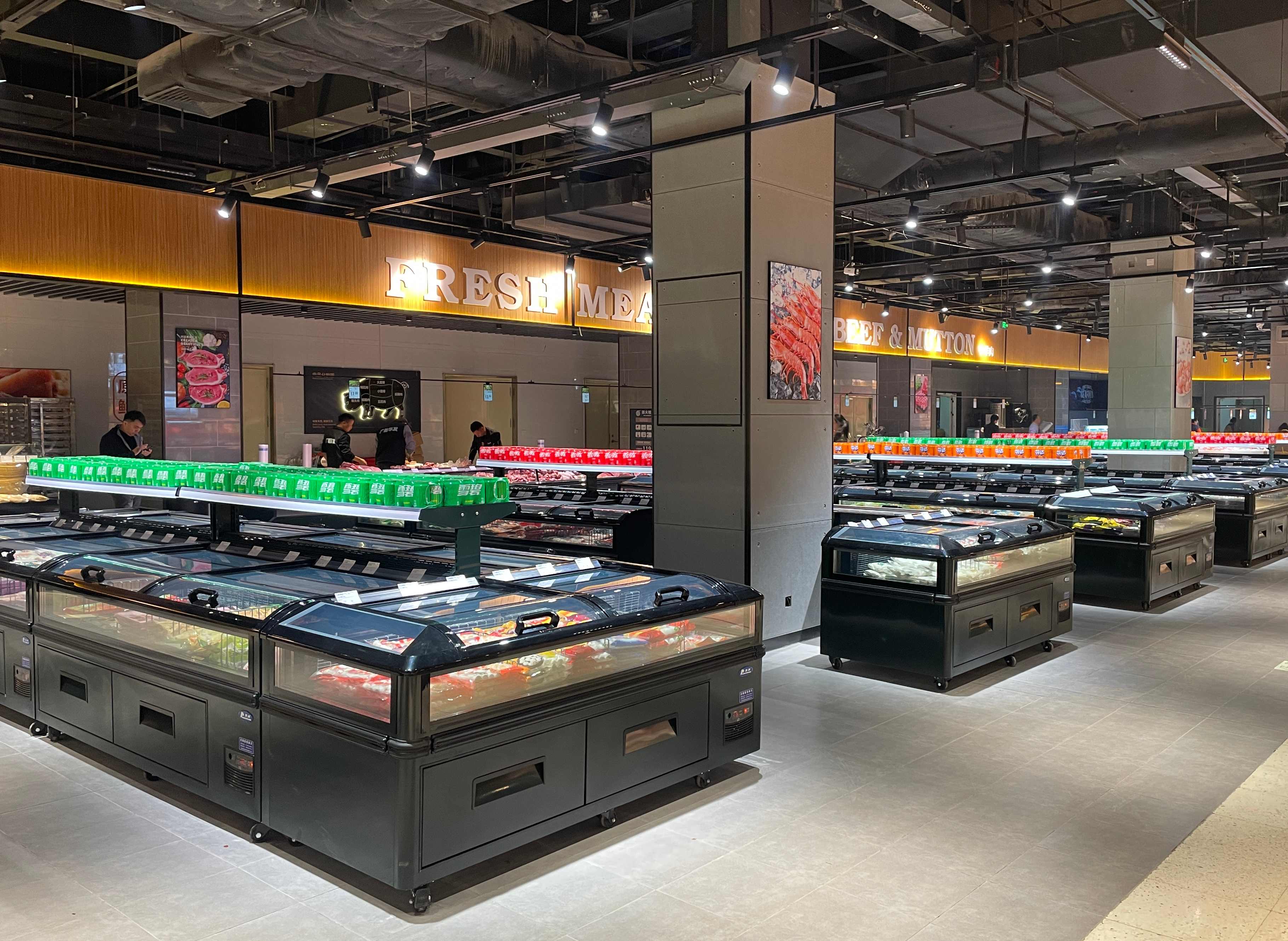
A Classic Island refers to a freestanding unit, often found in kitchens, retail spaces, or commercial showrooms, that serves multiple purposes. In kitchens, it provides additional counter space, storage, and sometimes integrated appliances. In retail and commercial contexts, Classic Islands are designed to showcase products, facilitate customer interaction, and organize workflow efficiently.
The timeless design of a Classic Island combines clean lines, sturdy construction, and versatile functionality. Unlike modular or contemporary units, Classic Islands are characterized by their traditional style, robust materials, and ability to integrate seamlessly into various environments.
Key Features of Classic Islands
When evaluating a Classic Island for commercial or retail use, several key features make them an attractive investment:
● Durable Construction: Classic Islands are often made from high-quality wood, metal, or engineered composites, ensuring long-term durability in high-traffic environments.
● Ample Storage Space: Cabinets, drawers, and shelving are designed to maximize storage capacity while maintaining accessibility.
● Functional Countertops: The surface area is optimized for display, preparation, or customer interaction depending on the intended use. Materials such as granite, quartz, or stainless steel provide durability and a polished aesthetic.
● Versatile Design Options: Classic Islands can include integrated sinks, seating, display cases, or appliance spaces, making them highly adaptable for various commercial needs.
● Aesthetic Appeal: The classic design complements traditional, transitional, and even contemporary interiors, creating a welcoming and professional look.
● Ergonomic Layout: Thoughtful design ensures ease of movement, accessibility, and efficient workflow, which is crucial in commercial or retail spaces.
● Customizable Features: Retailers can choose finishes, colors, and accessories to align the Classic Island with their brand identity or interior design strategy.
Benefits of Classic Islands for B2B Retailers
Investing in a Classic Island offers several benefits for B2B retailers and commercial businesses:
● Enhanced Product Display: The elevated surface area allows for effective presentation of products, encouraging customer interaction and increasing sales potential.
● Improved Workflow Efficiency: Storage, work surfaces, and integrated features streamline operations, whether in a kitchen, showroom, or retail environment.
● Durability in High-Traffic Areas: Robust materials and construction ensure that the Classic Island withstands frequent use without compromising appearance or function.
● Flexible Functionality: A Classic Island can serve multiple purposes, from preparation and display to customer service and storage, reducing the need for additional furniture.
● Timeless Design: The traditional style appeals to a wide audience and fits into various interior design schemes, making it a long-lasting investment.
● Customer Experience Enhancement: By providing a central focal point and interactive surface, Classic Islands improve the shopping or service experience, encouraging repeat visits.
● Brand Integration: Customizable options allow businesses to incorporate brand colors, logos, or design motifs, reinforcing brand identity.
Applications of Classic Islands
Classic Islands are versatile and can be used across a variety of commercial and retail settings:
● Retail Stores: Ideal for product demonstrations, seasonal displays, or promotional showcases, allowing customers to interact directly with merchandise.
● Showrooms: Used to display products such as kitchen appliances, cookware, or decorative items, emphasizing style and usability.
● Commercial Kitchens: Provides preparation surfaces, storage, and workflow optimization for restaurants, cafes, or catering businesses.
● Hospitality Spaces: In hotels, resorts, or event spaces, Classic Islands function as service stations, buffet counters, or guest interaction areas.
● Exhibition Booths: Perfect for trade shows and expos, where functionality, storage, and presentation must be combined into a single versatile unit.
Factors to Consider When Selecting a Classic Island
When choosing a Classic Island for commercial or retail use, consider the following factors:
● Size and Space Requirements: Ensure the dimensions suit your space while allowing smooth traffic flow and operational efficiency.
● Material and Durability: Choose materials that are resistant to wear, moisture, and frequent use to maximize lifespan.
● Storage and Organization: Evaluate shelving, drawer space, and configuration options to meet your operational needs.
● Customization Options: Consider the ability to integrate your brand, appliances, or specialty features to tailor the unit to your business.
● Aesthetic Compatibility: Ensure the Classic Island complements the interior design style and branding of your space.
● Ease of Maintenance: Surfaces and finishes should be easy to clean and maintain, minimizing downtime and upkeep costs.
FAQ
Q: Are Classic Islands suitable for small commercial spaces?
● Yes. Many Classic Islands come in modular or compact designs that fit smaller areas while still offering storage and functional surfaces.
Q: Can Classic Islands be customized for specific business needs?
● Absolutely. Retailers and businesses can choose materials, colors, finishes, and built-in features to align with operational requirements and brand identity.
Q: What types of businesses benefit most from a Classic Island?
● Retail stores, showrooms, commercial kitchens, hospitality venues, and exhibition spaces can all leverage Classic Islands for display, preparation, and service efficiency.
Q: How durable are Classic Islands in high-traffic environments?
● Constructed with robust materials and reinforced designs, Classic Islands are built to withstand frequent use without compromising performance or aesthetics.
Q: Can Classic Islands enhance customer engagement?
● Yes. The central focal point and interactive surface allow customers to experience products firsthand, improving satisfaction and driving sales.
Conclusion
In conclusion, a Classic Island is more than just a piece of furniture—it is a multifunctional solution that enhances workflow, product presentation, and customer experience. For B2B retailers and businesses, investing in a Classic Island offers long-term benefits, including durability, flexibility, and aesthetic appeal.
By considering factors such as size, material, storage capacity, customization options, and design compatibility, businesses can select a Classic Island that meets operational needs and reinforces brand identity. From retail stores and showrooms to commercial kitchens and hospitality venues, Classic Islands provide a timeless, practical, and visually appealing solution that improves efficiency and enhances the overall business environment.
Post time: Jan-16-2026


