
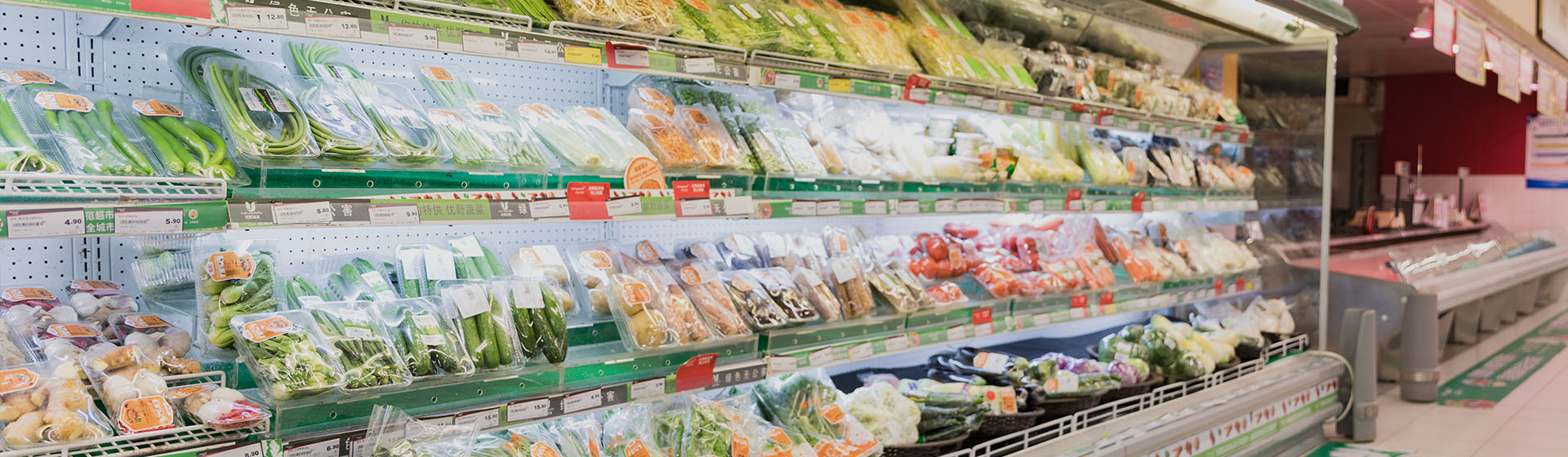
Expanding a frozen food section can create new sales opportunities for supermarkets and convenience stores, but adding more products also changes how a store manages space, inventory, and daily operations. A larger display area may attract more customers, yet it can also introduce challenges if the equipment layout does not match the store’s actual needs.
A classic island freezer can support this type of expansion by providing accessible frozen product display space within an existing retail environment. However, purchasing additional freezers should not be the first step. Retailers need to understand how the expansion will affect customer movement, product replenishment, stock management, and the overall shopping experience.
Evaluate Whether the Existing Frozen Food Section Is Reaching Its Limits
Before adding equipment, retailers should identify why the current frozen food section needs to expand. Limited display capacity is one possible reason, but it is not always the main problem.
For example, some stores may have enough freezer space but struggle to organize products effectively. Others may experience frequent stock shortages because popular items sell faster than expected. In these situations, simply adding another freezer may not address the underlying issue.
A useful starting point is to review sales patterns and inventory records. Retailers can compare product turnover, replenishment frequency, and the amount of space occupied by different categories. This helps distinguish between a genuine shortage of display capacity and an inefficient allocation of existing space.
Customer behavior also provides valuable information. If shoppers frequently ask for products that are not currently available, the store may need to introduce additional categories. If customers have difficulty finding certain items, improving product organization may be more important than increasing the total display area.
The purpose of this assessment is to establish what the expansion should achieve. A clear objective makes it easier to determine the required equipment quantity and configuration.
Plan the Expansion Around Product Demand
Frozen food demand is rarely distributed evenly across all product categories. Vegetables, meat, seafood, prepared meals, ice cream, and other frozen products may have different sales patterns and storage requirements.
A store expanding its frozen food section should therefore avoid treating all products as one uniform inventory group. Instead, it should determine which categories deserve more display capacity and how much stock each category needs.
Historical sales data can help identify products with consistent demand. Seasonal purchasing patterns should also be considered. For instance, certain frozen foods may sell more frequently during holidays, while other categories maintain relatively stable demand throughout the year.
This information can guide the allocation of freezer space. Products with higher turnover may require more accessible positions and more frequent replenishment. Slower-moving items may need less display space, provided their availability remains sufficient.
Retailers should also consider the relationship between display capacity and backroom inventory. A larger freezer section does not automatically mean that more stock should be placed on the sales floor. Excessive inventory can make product identification difficult, complicate restocking, and reduce the flexibility of the display area.
A well-planned classic island freezer arrangement should support the store’s actual sales mix rather than simply accommodate the largest possible quantity of products.
Check How Additional Freezers Will Affect Store Layout
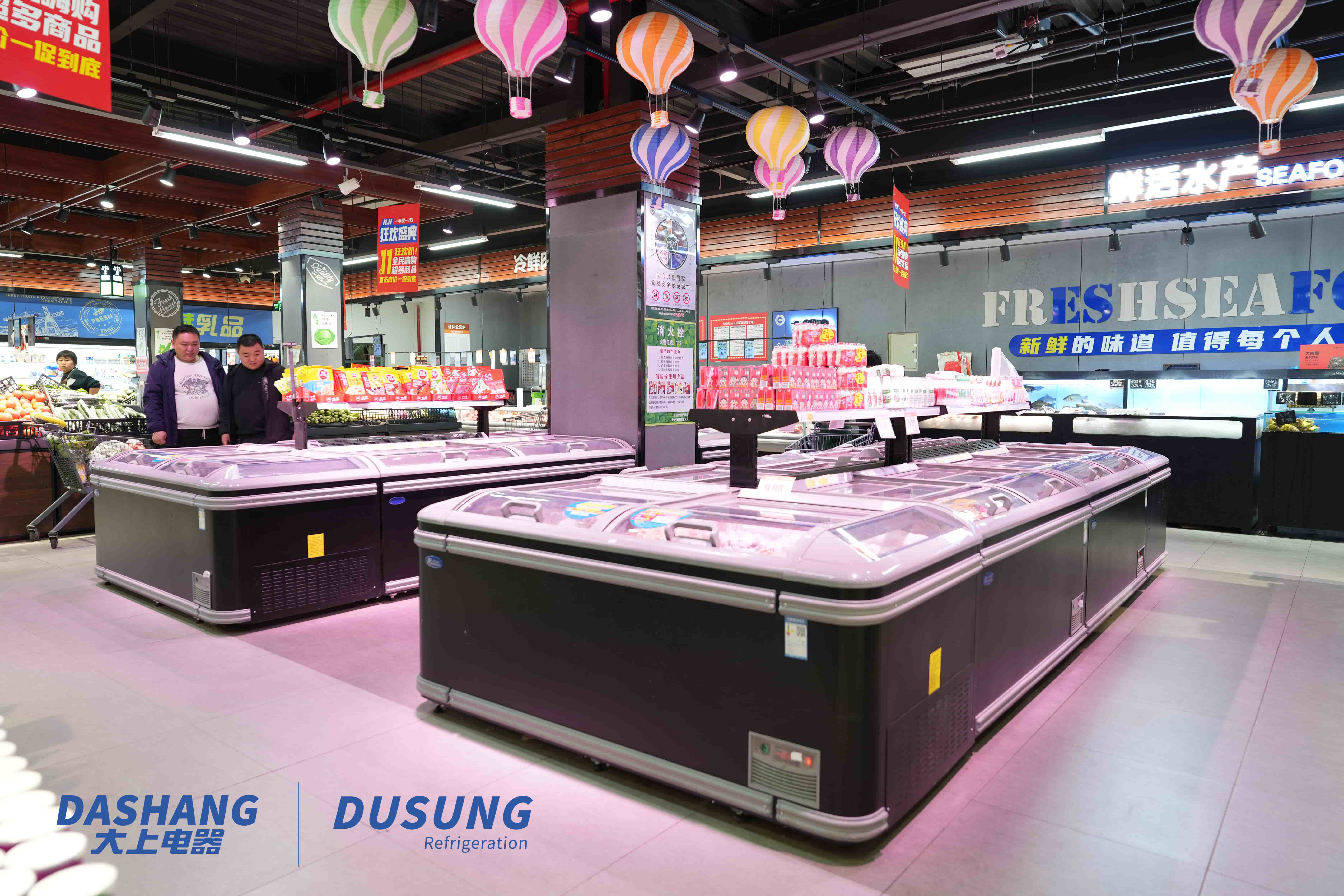
Expanding a frozen food section changes more than the amount of refrigeration equipment in the store. It can influence customer circulation, product visibility, staff movement, and the use of nearby retail space. Island freezers are commonly positioned within open sales areas, so their placement needs to be considered in relation to surrounding shelves, promotional displays, checkout routes, and customer entrances.
If additional units are installed without reviewing the overall layout, the expanded section may create narrow passageways or obstruct access to other products. Customers may also find it difficult to move shopping carts around the display area, especially during busy periods. Retailers should examine the available floor space before deciding how many units to add. This includes considering the clearance needed for customers and staff, as well as the space required for cleaning, inspection, and maintenance.
Another important consideration is visibility. A freezer positioned too close to other displays may become difficult for shoppers to notice. On the other hand, placing every unit in a high-traffic area may interfere with movement through the store. The goal is to create a layout in which frozen food products are easy to find without compromising the convenience of the wider shopping environment.
Consider the Operational Changes After Expansion
A larger frozen food section usually requires adjustments to daily store routines. More equipment can mean additional temperature checks, cleaning tasks, inventory monitoring, and maintenance responsibilities.
Staff responsibilities should be reviewed before the expansion is completed. If the existing team already spends considerable time replenishing products and checking equipment, additional units may increase their workload. Without a clear operating plan, small tasks can be overlooked.
Inventory management also becomes more important as the number of displayed products grows. Staff need to know where each category is located and how frequently it should be replenished. Clear product labels and organized stock records can reduce mistakes during restocking.
Energy consumption should be evaluated as well. Adding refrigeration equipment may increase the store’s electricity demand, particularly if the units operate continuously throughout the day. Retailers should consider equipment efficiency, installation conditions, and the overall refrigeration load rather than looking only at the purchase price.
These operational changes should be included in the expansion plan. The long-term value of a classic island freezer depends not only on its display capacity but also on how easily the store can manage it every day.
Avoid Common Mistakes When Expanding Frozen Food Displays
Several planning mistakes can reduce the effectiveness of an expanded frozen food section. One common issue is purchasing equipment before confirming the actual product requirements. This can result in unused capacity or insufficient space for important categories.
Another mistake is overlooking the relationship between freezer placement and electrical or installation conditions. Retailers should confirm that the proposed location can support the equipment and that installation requirements are addressed before delivery.
It is also important not to ignore future flexibility. Product demand may change, new categories may be introduced, and promotional arrangements may need to be adjusted. A layout that works only for the current assortment could become restrictive as the business develops.
- Whether the proposed freezer capacity matches current and expected product demand.
- Whether customers and employees can move comfortably around the expanded display area.
- Whether the store has sufficient electrical capacity and suitable installation conditions.
- Whether staff can maintain, clean, and replenish the additional equipment efficiently.
- Whether the layout allows adjustments when product categories or sales patterns change.
Reviewing these details helps retailers avoid decisions based only on immediate space requirements.
Selecting Equipment That Supports Long-Term Store Development
Once the expansion plan is clear, retailers can compare equipment according to the needs of the store. Capacity, dimensions, product accessibility, energy efficiency, and maintenance requirements should all be considered together.
A suitable classic island freezer should fit the available floor area while providing enough usable display space for the intended product range. Retailers should also consider how the equipment will work alongside existing refrigeration units. Consistent equipment planning can make the entire frozen food section easier to manage.
Dusung Refrigeration offers commercial refrigeration solutions for different retail applications, including island freezers, upright display refrigerators, open multideck cabinets, and specialized display equipment. Its range allows retailers to consider different equipment formats when developing or expanding frozen food areas. Evaluating product options alongside store layout, operating requirements, and ongoing support can help create a refrigeration arrangement that remains practical as the business grows.
Conclusion
Expanding a frozen food section requires more than adding display capacity. Retailers need to understand product demand, review available floor space, adjust daily operating procedures, and consider long-term equipment requirements.
A well-planned classic island freezer installation can help stores accommodate a broader frozen food range while maintaining an organized and accessible shopping environment. By making expansion decisions based on actual operating needs, retailers can avoid unnecessary costs and build a frozen food section that supports future business development.
FAQs
1. Should a retailer expand the frozen food section before or after introducing new product categories?
Ideally, product planning should come first. Identifying the categories to be introduced helps determine the required display capacity and prevents purchasing equipment that does not match the intended assortment.
2. How can retailers measure whether a freezer expansion is successful?
They can monitor changes in frozen food sales, product availability, stock turnover, replenishment frequency, and customer feedback. These indicators provide a clearer picture than display capacity alone.
3. Can an expanded frozen food section affect other departments?
Yes. Additional freezers may change customer circulation and reduce the floor space available for nearby categories. Reviewing the entire store layout helps prevent the expansion from creating problems elsewhere.
4. Why should retailers consider future product changes when planning freezer capacity?
Frozen food assortments can evolve with customer preferences and seasonal demand. Allowing some flexibility in the layout makes it easier to introduce new products without repeatedly reorganizing the entire section.
Post time: Nov-04-2026


