
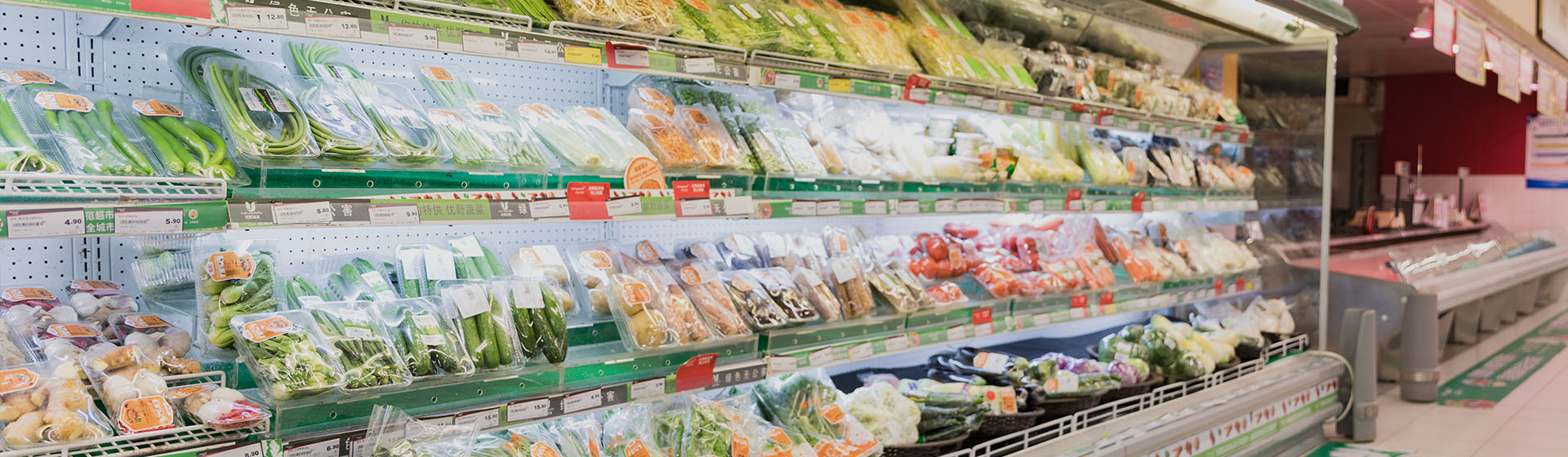
Supermarket refrigeration equipment often operates for extended periods while handling frequent product loading, customer access, and changing inventory levels. Over time, these conditions can affect cooling efficiency, component wear, and equipment reliability. A freezer that performs well initially may gradually develop operational problems if its installation, daily use, and maintenance are not properly managed.
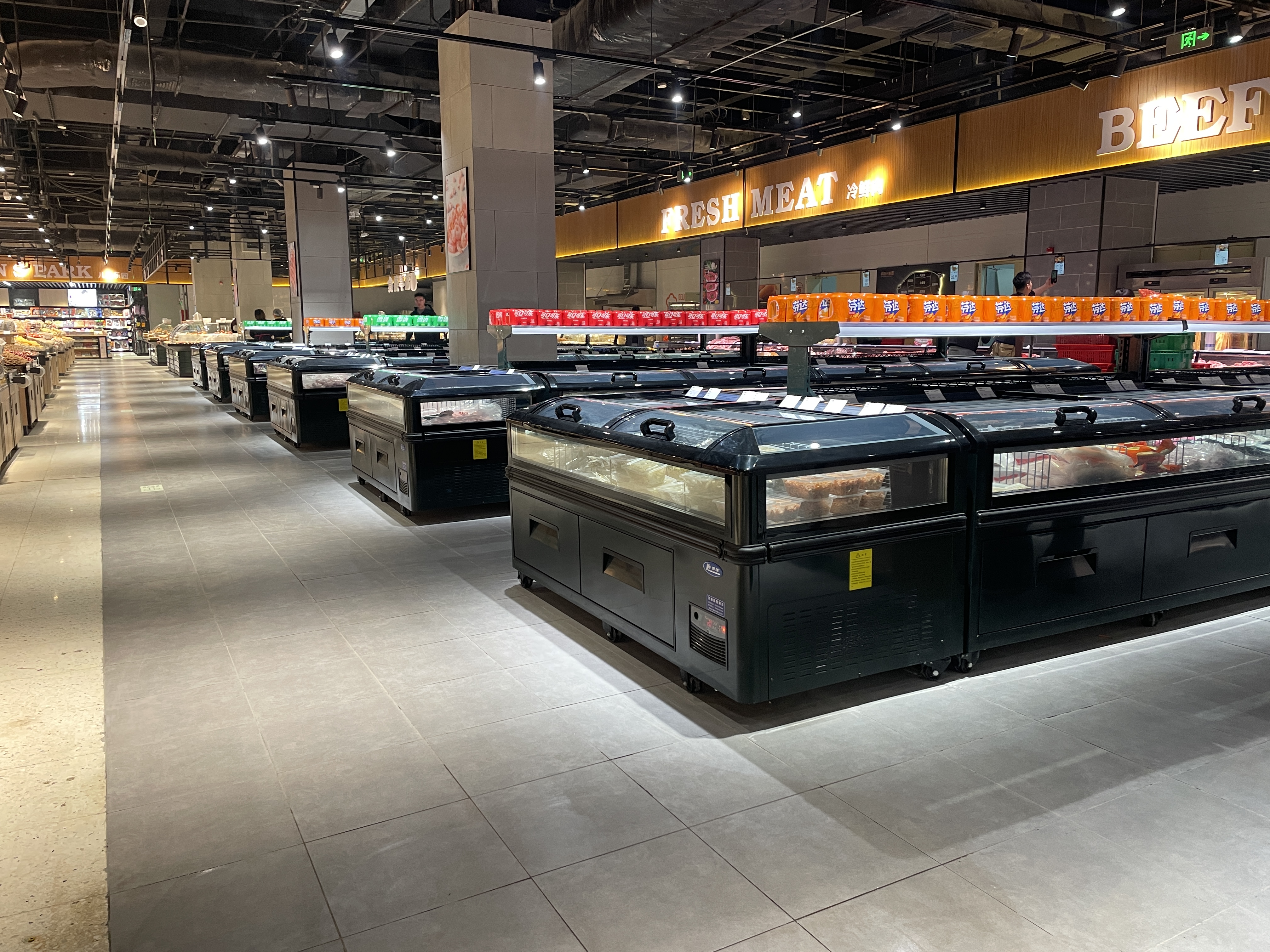
A CHINA-STYLE TRANSPARENT ISLAND FREEZER provides frozen food storage while allowing customers to view products through transparent lids. It is commonly used in supermarkets and frozen food retail areas where accessible storage and product visibility are important. However, its long-term performance depends on more than the refrigeration system itself. Installation conditions, loading practices, environmental changes, and maintenance routines all influence how reliably the equipment operates.
Installation Conditions Establish the Foundation for Long-Term Performance
The installation environment directly affects the working conditions of refrigeration equipment. An unsuitable position may increase heat exposure, restrict ventilation, or create difficulties during daily operation.
Several installation details deserve attention:
- Ventilation clearance: Refrigeration components need sufficient space to release heat. Blocking ventilation areas with walls, products, or nearby equipment can reduce heat dissipation and increase system workload.
- Floor stability: An uneven floor may affect cabinet positioning and the operation of lids or other movable components. The freezer should stand on a stable, level surface.
- Heat exposure: Direct sunlight, ovens, and other heat-producing equipment can raise the surrounding temperature and increase cooling demand.
- Electrical conditions: An appropriate power supply and reliable electrical connection are essential. Installation should follow the manufacturer’s requirements for voltage and electrical protection.
A CHINA-STYLE TRANSPARENT ISLAND FREEZER is often installed in open supermarket areas rather than dedicated refrigeration rooms. Therefore, its location should be evaluated in relation to surrounding equipment, customer traffic, and ventilation conditions.
Daily Loading Habits Influence Refrigeration Performance
A supermarket freezer experiences changing refrigeration loads throughout the day. Frequent lid opening, large deliveries, and repeated product replenishment introduce additional heat into the cabinet. Poor loading practices can make these conditions more difficult to manage.
Overloading is a common concern. When products exceed recommended loading limits, they may obstruct internal airflow and prevent cold air from circulating effectively. Excessive stacking can also make products difficult to access and increase the time customers spend searching through the cabinet.
Retailers should pay attention to several operating practices:
- Control opening frequency: Repeated lid opening allows warm air to enter. Organizing products logically helps customers and employees find items more quickly.
- Follow loading limits: Keep products within designated loading boundaries and avoid blocking air circulation areas.
- Manage newly delivered products: Follow appropriate storage procedures instead of treating a retail display freezer as a rapid-freezing unit.
- Maintain organized stock: Proper product arrangement makes replenishment, cleaning, and stock rotation easier.
These practices help reduce unnecessary refrigeration loads and maintain more consistent storage conditions.
Cleaning and Component Condition Affect Equipment Life
Dust, food residue, and accumulated dirt can gradually interfere with refrigeration performance. Dirty condenser surfaces may reduce heat dissipation, while blocked drainage components can cause water accumulation. If these problems remain unnoticed, they may contribute to additional operating stress.
Transparent lids also require regular attention. Fingerprints, dust, and condensation can reduce visibility, making products less attractive and harder for customers to identify.
A practical cleaning routine should cover several important areas:
- Glass lids: Remove fingerprints, stains, and condensation using suitable cleaning materials that will not damage the surfaces.
- Condenser and ventilation areas: Inspect accessible components and remove accumulated dust according to manufacturer instructions.
- Interior surfaces: Clean product residue and food debris to maintain hygienic storage conditions.
- Drainage components: Check outlets for blockages and remove accumulated water where necessary.
- Seals and lid mechanisms: Inspect sealing surfaces for damage and check whether lids open and close smoothly.
Cleaning frequency should reflect the operating environment and usage intensity. Before carrying out maintenance, staff should follow the manufacturer’s safety instructions, including power disconnection where required.
Ambient Temperature Changes Can Increase Operating Demands
Supermarkets experience different environmental conditions throughout the year. During summer, higher ambient temperatures may increase the workload of refrigeration systems. In winter, indoor heating and changes in store ventilation can also influence the environment surrounding the equipment.
Humidity is another important consideration. Under certain conditions, moisture may accumulate on transparent lids, affecting visibility. Poor ventilation and frequent temperature changes can make condensation more noticeable.
When selecting a CHINA-STYLE TRANSPARENT ISLAND FREEZER, retailers should check the specified ambient operating range instead of assuming that the equipment will perform identically in every location.
Maintaining suitable ventilation, avoiding direct heat exposure, and keeping the surrounding area unobstructed can help reduce unnecessary operating pressure. Staff should also monitor cabinet temperatures regularly and investigate unusual fluctuations rather than relying solely on visual inspections.
Identify Early Signs of Performance Deterioration
Long-term reliability depends partly on how quickly operating problems are identified. Changes in cooling behavior, unusual noises, or unexpected frost accumulation may indicate that certain components require inspection.
For supermarket operators, the following signs deserve attention:
- Unstable temperatures: Repeated temperature fluctuations may indicate airflow restrictions, excessive heat exposure, or refrigeration system problems.
- Longer cooling recovery: If the cabinet takes longer than usual to restore its temperature after opening, its operating conditions should be checked.
- Unusual noises: Changes in fan or compressor sounds may indicate mechanical issues.
- Excessive frost or condensation: Unexpected accumulation may be related to air leakage, humidity, or operating conditions.
- Water leakage: Accumulated water or leakage may indicate drainage problems or other component faults.
These symptoms can have different causes, so operators should avoid making repeated adjustments without identifying the underlying problem. Qualified technicians can inspect refrigeration components and determine whether repairs are necessary.
Preventive Maintenance Supports Consistent Operation
Maintenance should be part of regular supermarket operations rather than something performed only after equipment failure. A structured schedule helps staff identify gradual changes and keep essential components in suitable condition.
Daily checks can include cabinet temperature, lid closure, visible cleanliness, and unusual operating conditions. Periodic inspections should cover condenser cleanliness, electrical connections, seals, fans, and other components according to the manufacturer’s recommendations.
When choosing a CHINA-STYLE TRANSPARENT ISLAND FREEZER, supermarkets should also consider maintenance accessibility, technical support, and replacement component availability. Equipment that is difficult to inspect or service may create additional challenges during long-term operation.
For retailers evaluating commercial refrigeration solutions, Dashang Global offers equipment options to consider for different supermarket applications. Matching freezer configurations with actual operating conditions, maintenance requirements, and daily retail demands helps create a more practical approach to long-term equipment management.
Conclusion
The long-term performance of supermarket island freezers depends on installation conditions, loading habits, cleaning practices, ambient temperature, and preventive maintenance. A CHINA-STYLE TRANSPARENT ISLAND FREEZER provides accessible frozen food storage and product visibility, but its reliability also depends on how it is installed, operated, and maintained. Paying attention to these interconnected factors helps reduce avoidable operating problems, maintain stable refrigeration conditions, and extend the useful service life of the equipment.
FAQs
1. What is the most common cause of reduced island freezer performance?
Restricted ventilation, excessive loading, poor cleaning, and unsuitable ambient conditions can all affect refrigeration performance. Regular inspections help identify these problems early.
2. Does the placement of an island freezer affect its service life?
Yes. Positioning equipment near heat sources or in areas with insufficient ventilation can increase refrigeration loads and place additional stress on components.
3. How can supermarkets reduce unnecessary freezer wear?
Avoid overloading, minimize unnecessary lid opening, maintain proper ventilation, and follow a regular cleaning and maintenance schedule.
4. Why should retailers consider maintenance accessibility when selecting a freezer?
Easy access to important components makes routine inspections and repairs more convenient, helping reduce maintenance difficulties and unnecessary equipment downtime.
Post time: Oct-28-2026


