
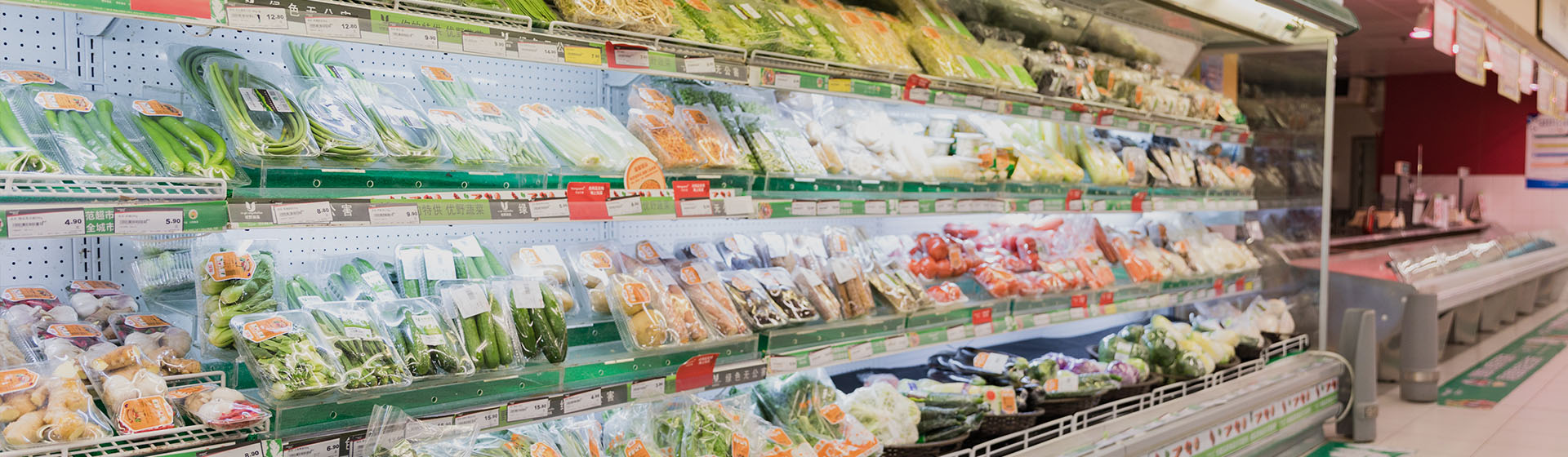
In modern fresh food retail operations, controlling product freshness while minimizing waste has become one of the most important challenges for supermarkets, butcher shops, and delicatessen counters. A deli cabinet is specifically designed to address this challenge by maintaining stable refrigeration conditions while presenting food in a highly visible and organized display environment that supports faster sales turnover.
Unlike conventional storage refrigerators that prioritize only temperature control, deli cabinets combine precise cooling technology with merchandising design, helping retailers extend shelf life, reduce spoilage, and improve overall inventory efficiency in daily operations.
Why Shelf Life and Waste Control Are Critical in Fresh Food Retail
Fresh food products such as meat, poultry, seafood, cheese, and prepared meals are highly sensitive to temperature fluctuations and exposure to air. Even small inconsistencies in storage conditions can significantly shorten shelf life, increase bacterial growth, and lead to financial losses due to product waste.
Retailers must therefore maintain a delicate balance between keeping products visually accessible to customers and ensuring that refrigeration conditions remain stable enough to preserve food quality for as long as possible.
Deli cabinets play a key role in achieving this balance by combining controlled cooling environments with structured product display systems that support efficient stock rotation.
How Deli Cabinets Extend Shelf Life Through Controlled Refrigeration
The ability of a deli cabinet to extend shelf life is primarily based on its ability to maintain consistent low temperatures and minimize environmental fluctuations that affect food stability.
● Precise temperature regulation systems that maintain stable cold storage conditions suitable for perishable foods, reducing microbial growth and slowing spoilage processes
● Continuous refrigeration cycles that automatically adjust compressor output based on internal temperature changes to avoid sudden temperature fluctuations
● Uniform air circulation systems that distribute cold air evenly across all display zones, preventing localized warm spots that accelerate deterioration
● High-quality insulation materials that reduce external heat penetration and maintain consistent internal cooling efficiency
● Humidity control mechanisms that help preserve food texture and moisture balance, especially for meat and cheese products
● Low-temperature stability design that minimizes the impact of frequent customer interaction on internal cooling performance
● Energy-efficient cooling components that ensure long-term operation without compromising temperature consistency
● Integrated defrost systems that prevent ice formation and maintain optimal airflow efficiency throughout continuous use
These systems work together to create a stable refrigeration environment that significantly extends the usable life of fresh food products.
How Deli Cabinets Reduce Food Waste in Retail Operations
Food waste in retail environments is often caused by poor visibility, inconsistent temperature control, and inefficient inventory rotation. Deli cabinets directly address these issues by improving both product preservation and sales efficiency.
One of the most important factors in waste reduction is product visibility. When food items are clearly displayed and well organized, customers are more likely to purchase them before they reach expiration, reducing the likelihood of unsold inventory.
Additionally, stable temperature control ensures that products remain in sellable condition for longer periods, giving retailers more flexibility in pricing strategies and stock management.
● Improved product visibility that encourages faster sales turnover and reduces unsold inventory
● Better stock organization that allows staff to apply first-in-first-out rotation more effectively
● Reduced spoilage caused by temperature instability or improper storage conditions
● Enhanced demand-driven merchandising that aligns product display with customer purchasing behavior
● Faster restocking cycles that help maintain freshness standards throughout the day
● Clear product categorization that reduces confusion and improves inventory tracking accuracy
● Minimized handling exposure that reduces contamination risk and extends product usability
● Increased ability to manage near-expiry products through better visual monitoring
These operational improvements directly contribute to lower waste levels and higher profitability in fresh food retail environments.
The Role of Visual Merchandising in Waste Reduction
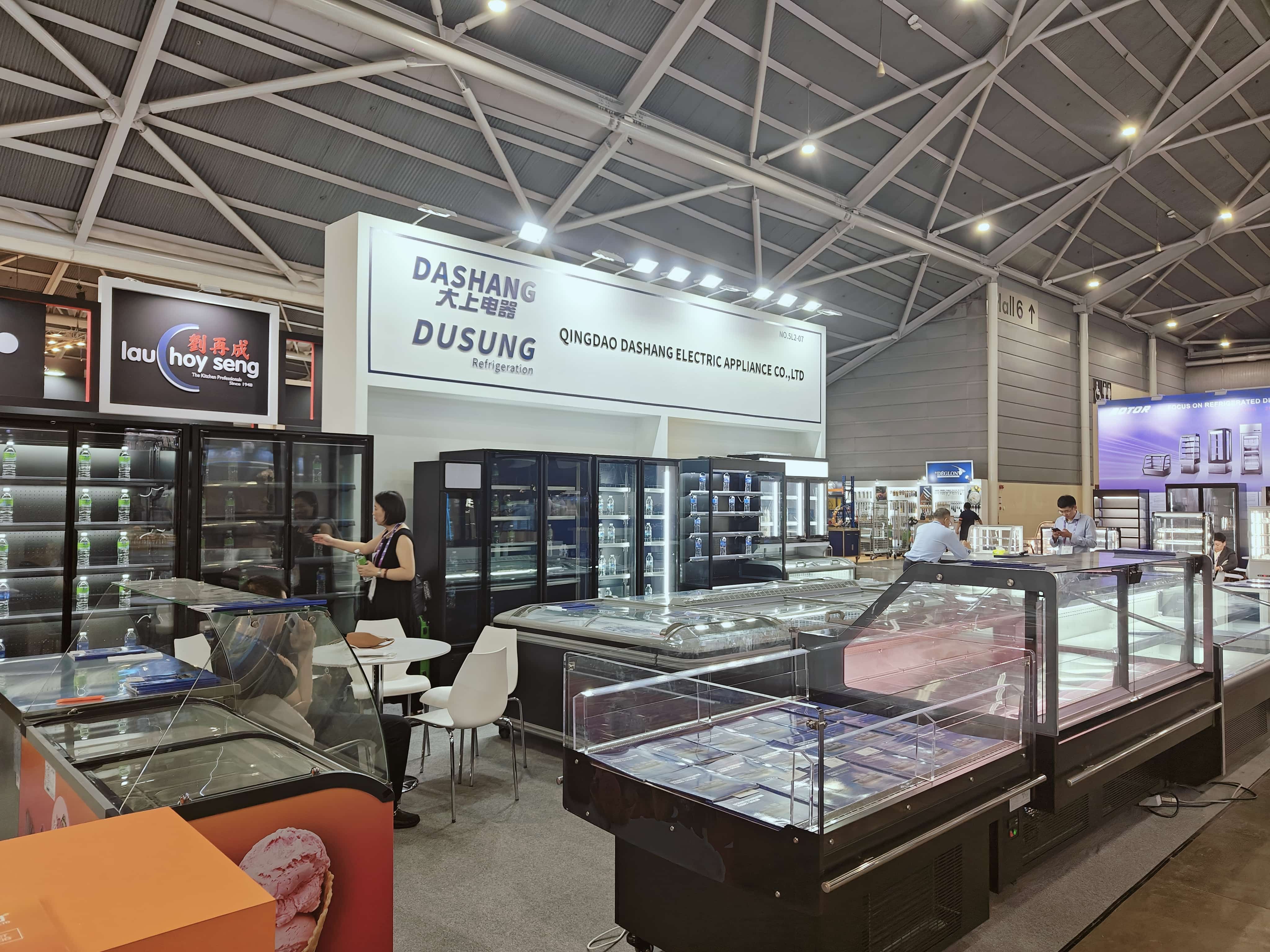
While temperature control is essential for preserving food, visual merchandising plays an equally important role in reducing waste. Deli cabinets are designed to make products visually appealing and easy to access, which increases the likelihood of faster sales.
Transparent glass displays, combined with targeted lighting systems, enhance the natural appearance of meat, cheese, and prepared foods, making them more attractive to customers. This visual enhancement helps ensure that products are sold before they reach the end of their shelf life.
In addition, organized display layouts allow customers to quickly identify available options, reducing hesitation and improving purchase speed, which further supports inventory turnover.
Operational Advantages That Support Fresh Food Management
Beyond shelf life extension and waste reduction, deli cabinets provide several operational advantages that improve overall efficiency in retail environments.
● Streamlined inventory management through clear visibility of stock levels and product conditions
● Reduced labor costs associated with frequent product sorting and waste handling
● Improved pricing flexibility for near-expiry products through better visibility and access
● Enhanced workflow efficiency during peak hours due to organized product placement
● Better compliance with food safety standards through controlled storage conditions
● Increased sales consistency by maintaining product freshness throughout operating hours
● Easier implementation of promotional strategies for perishable goods
● Improved customer satisfaction through consistent product quality and presentation
These benefits make deli cabinets a critical asset for any business handling fresh food products on a daily basis.
Key Design Factors That Influence Performance in Waste Reduction
The effectiveness of a deli cabinet in reducing waste depends heavily on its engineering design and system integration. Several technical factors play a major role in ensuring long-term performance.
Temperature stability is the most critical factor, as even small fluctuations can accelerate spoilage. Airflow design is equally important, as uneven cooling can lead to inconsistent product preservation across different display zones.
Material quality, especially in insulation and glass construction, also directly affects the cabinet’s ability to maintain internal conditions without excessive energy consumption.
In addition, internal layout flexibility allows retailers to adjust product positioning based on demand patterns, ensuring that high-turnover items remain easily accessible to customers.
Energy Efficiency and Sustainable Waste Reduction
Modern deli cabinets are increasingly designed with energy efficiency in mind, which also indirectly contributes to waste reduction by ensuring stable long-term operation.
● High-efficiency compressors that reduce energy consumption while maintaining stable cooling output
● Advanced insulation systems that minimize heat exchange and improve temperature consistency
● LED lighting systems that enhance product visibility without increasing thermal load
● Smart temperature control systems that optimize compressor cycles for efficiency
● Eco-friendly refrigerants that reduce environmental impact while maintaining performance
● Automated defrost functions that prevent unnecessary energy waste
● Intelligent monitoring systems that help operators track performance and optimize usage
● Optimized airflow architecture that improves cooling distribution efficiency
These features ensure that deli cabinets remain both economically and environmentally sustainable in modern retail operations.
Application Scenarios in Fresh Food Retail
Deli cabinets are widely used across various food retail sectors where freshness and waste control are essential.
● Supermarkets for meat, seafood, poultry, cheese, and prepared food displays
● Butcher shops requiring strict temperature control for raw meat preservation
● Delicatessens focusing on ready-to-eat meals and specialty food items
● Gourmet food stores emphasizing premium presentation and freshness retention
● Catering and food service operations for short-term storage and display
● Convenience stores offering packaged fresh food products
In all these environments, deli cabinets serve as both preservation systems and sales-enhancing display tools.
Maintenance and Long-Term Waste Control Efficiency
Proper maintenance is essential to ensure that deli cabinets continue to perform effectively in extending shelf life and reducing waste. Regular cleaning of internal surfaces helps maintain hygiene standards, while inspection of cooling components ensures stable temperature control.
Air circulation systems must be kept clear of obstructions to maintain uniform cooling, and temperature sensors should be calibrated periodically to ensure accuracy. Preventive maintenance helps avoid system failures that could result in sudden product loss.
FAQ
1. How does a deli cabinet help extend the shelf life of fresh food?
It maintains stable low temperatures, controls humidity levels, and ensures uniform airflow, all of which slow bacterial growth and reduce the rate of food spoilage.
2. Can a deli cabinet really reduce food waste in supermarkets?
Yes, by improving product visibility, maintaining consistent freshness, and supporting better stock rotation, it significantly reduces unsold and expired inventory.
3. What types of food benefit most from deli cabinet storage?
Fresh meat, poultry, seafood, cheese, prepared meals, and other perishable ready-to-eat products benefit the most due to their sensitivity to temperature changes.
4. Does a deli cabinet require special maintenance for waste reduction performance?
Yes, regular cleaning, airflow inspection, and temperature calibration are necessary to ensure stable performance and prevent spoilage-related losses over time.
Post time: May-28-2026


