
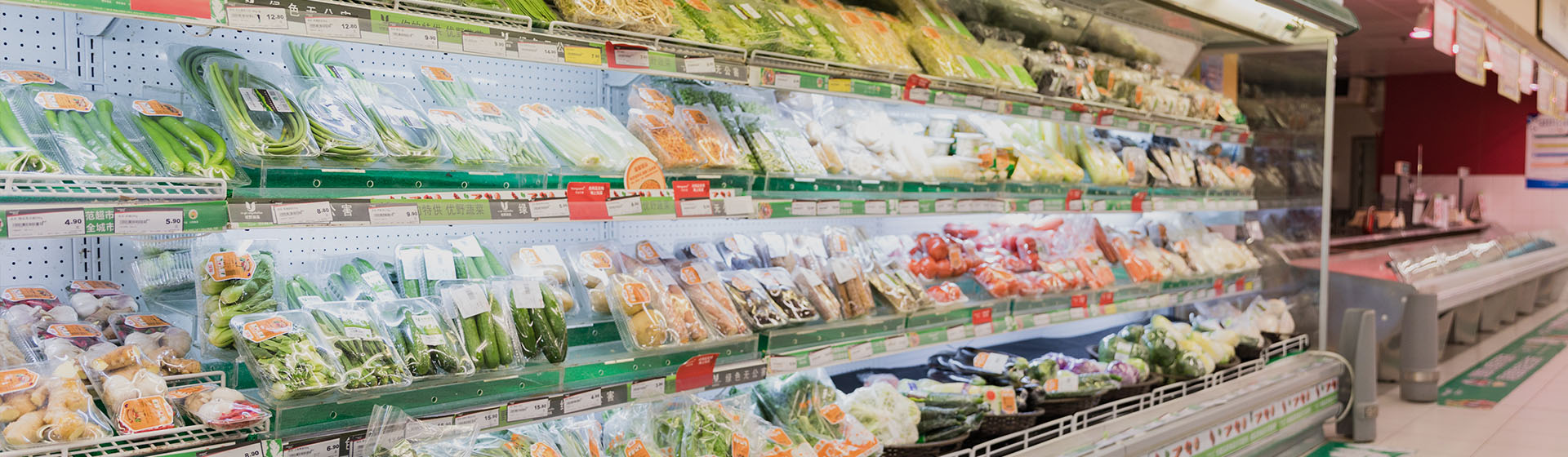
In the fast-paced retail and foodservice industries, efficient refrigeration is more than a necessity—it’s a strategic advantage. A beverage glass door cooler provides businesses with a reliable solution for storing and displaying drinks, while optimizing energy usage and enhancing customer engagement. For B2B operators, selecting the right cooler can directly impact operational costs, product turnover, and overall profitability.
Advantages of Using a Beverage Glass Door Cooler
Beverage glass door coolers offer multiple benefits that make them an essential component of commercial operations.
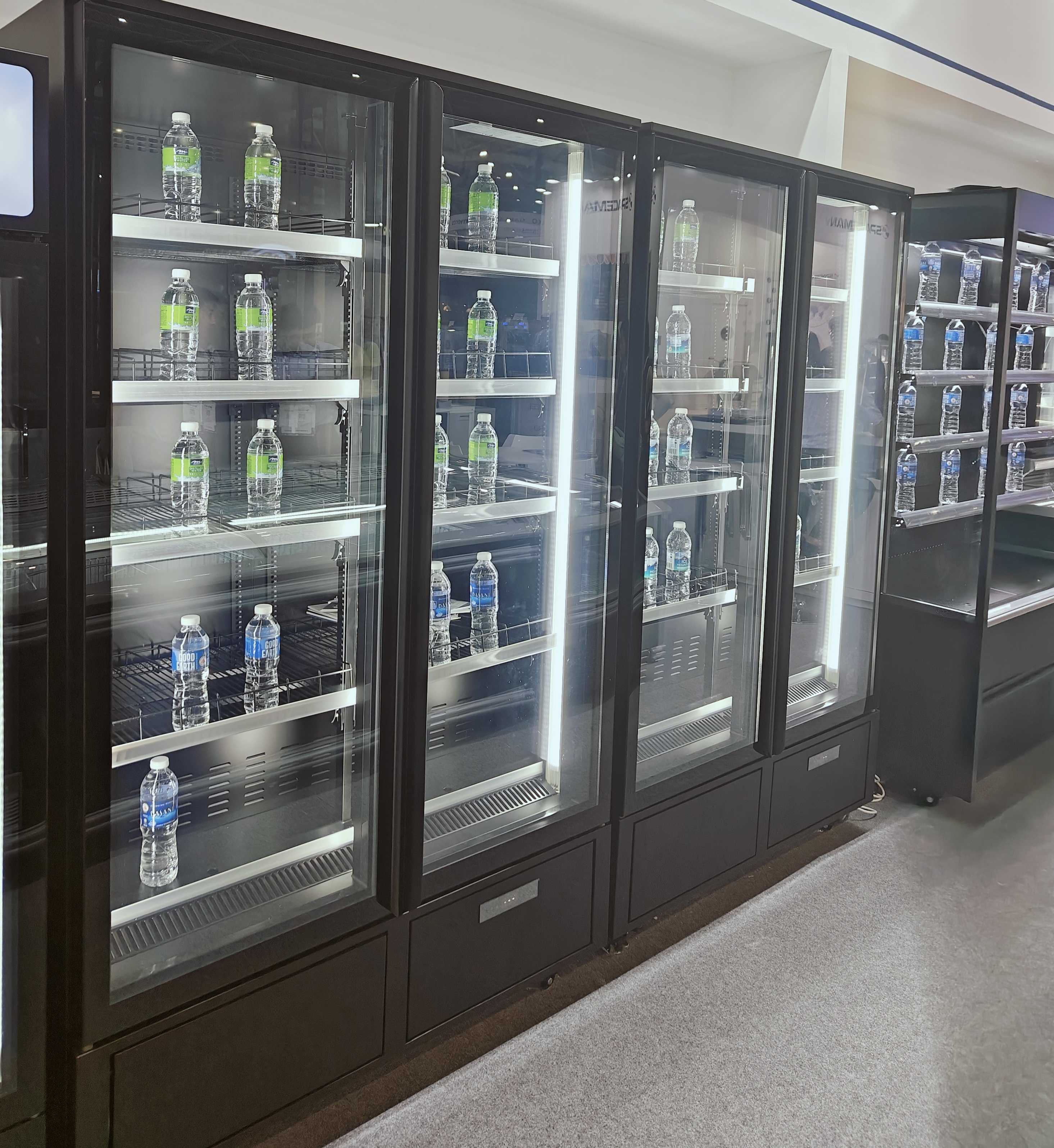
● Enhanced Product Visibility – Transparent glass doors allow customers to easily browse beverages, increasing purchase likelihood and supporting impulse sales.
● Energy Efficiency – Modern models use LED lighting, high-performance insulation, and energy-efficient compressors to reduce electricity consumption without compromising cooling performance.
● Flexible Storage Options – Adjustable shelves and spacious interiors accommodate a variety of bottle and can sizes, improving inventory organization.
● Durability and Reliability – Built for commercial use, these coolers withstand continuous operation in high-traffic environments.
● Sustainability – Many beverage coolers are designed to use eco-friendly refrigerants, reducing greenhouse gas emissions and helping businesses meet sustainability goals.
Key Features of Beverage Glass Door Coolers
Understanding the core features of a beverage glass door cooler helps B2B buyers select the right unit for their operations.
● High-Quality Glass Doors – Double-pane, low-emissivity glass minimizes heat transfer while maintaining clear visibility.
● Digital Temperature Control – Enables precise temperature adjustments to keep beverages at optimal cooling levels.
● LED Interior Lighting – Efficient and long-lasting LED lights illuminate products without generating excess heat, reducing compressor load.
● Automatic Defrost Systems – Prevent frost buildup, maintain consistent performance, and minimize manual maintenance requirements.
● Ergonomic Door Handles and Self-Closing Mechanisms – Promote ease of use while minimizing energy loss due to frequently opened doors.
Selecting the Right Beverage Glass Door Cooler for Your Business
Choosing a cooler that fits your operational needs requires careful consideration of capacity, functionality, and business goals.
● Storage Capacity and Size – Evaluate the volume of beverages you need to store and select a cooler that provides sufficient capacity while maintaining energy efficiency.
● Refrigerant Type – Opt for units using environmentally friendly refrigerants to comply with regulations and support corporate sustainability initiatives.
● Door Configuration – Single or double-door units offer flexibility depending on space availability and product display requirements.
● Shelf Adjustability – Adjustable shelving helps accommodate different bottle and can sizes, optimizing storage efficiency.
● Ease of Maintenance – Units with removable components or self-cleaning features reduce downtime and maintenance costs.
Operational Best Practices
Even the most advanced beverage glass door cooler requires proper operation to maintain efficiency and product quality.
● Strategic Placement – Position coolers away from direct sunlight, ovens, or heat-emitting equipment to minimize energy load.
● Consistent Temperature Monitoring – Regularly check that the cooler maintains the recommended temperature to prevent spoilage and overcooling.
● Proper Stock Rotation – Implement a first-in-first-out (FIFO) system to ensure product freshness and minimize the time the cooler door remains open.
● Scheduled Maintenance – Routine cleaning of condenser coils and inspection of fans and compressors ensures long-term efficiency.
● Employee Training – Educate staff on correct use, including minimizing door-open time and avoiding overstocking, to maintain optimal performance.
Long-Term Value for B2B Operators
Investing in a beverage glass door cooler is not just about storage—it is a strategic decision that impacts cost efficiency, operational workflow, and sales.
● Cost Savings – Energy-efficient models lower utility bills and reduce the total cost of ownership over time.
● Boosted Sales – Clear glass doors and organized shelves enhance product visibility, encouraging customer purchases and increasing turnover.
● Reliable Operations – Commercial-grade construction and automated features reduce downtime, ensuring consistent performance.
● Support for Sustainability – Using eco-friendly refrigerants and energy-saving technology helps businesses achieve environmental goals and enhance corporate responsibility.
Conclusion
For B2B buyers in retail, foodservice, and beverage distribution, a beverage glass door cooler is more than a refrigeration unit—it is a tool that enhances efficiency, improves customer engagement, and supports long-term profitability. By understanding the key features, selecting the right model, and implementing best practices, businesses can maximize return on investment while reducing energy consumption and promoting sustainability.
FAQ
Q1: How much energy can a beverage glass door cooler save compared to a traditional cooler?
Modern energy-efficient beverage coolers can reduce electricity consumption by 20–30%, depending on usage, insulation quality, and maintenance practices.
Q2: Are beverage glass door coolers suitable for commercial B2B operations?
Yes, they are designed for continuous operation in high-traffic commercial environments such as supermarkets, convenience stores, and restaurants.
Q3: What maintenance is required to ensure optimal performance?
Regular cleaning of condenser coils, fan inspection, temperature monitoring, and ensuring doors are properly closed are essential for efficiency and longevity.
Q4: Can beverage glass door coolers help increase sales?
Absolutely. Transparent doors, LED lighting, and organized shelving improve product visibility and encourage impulse purchases, boosting overall sales.
Post time: Mar-06-2026


